By Bethel Manase
Tensions between Iran and the United States have escalated further after threatening messages directed at U.S. President Donald Trump were displayed during the funeral of Iran’s late Supreme Leader Ali Khamenei, amid growing fears of a wider regional conflict.
Thousands of mourners gathered for Khamenei’s burial ceremony in Iran, where some participants carried banners calling for revenge against the United States and Israel. Images published by international media showed signs containing threats directed at Trump and other senior American officials.
The demonstrations come against the backdrop of months of heightened military and political tensions involving Iran, Israel and the United States following the death of Khamenei during U.S.-Israeli strikes earlier this year. Analysts say the public display of hostile messages reflects the depth of anger among sections of Iran’s support base.
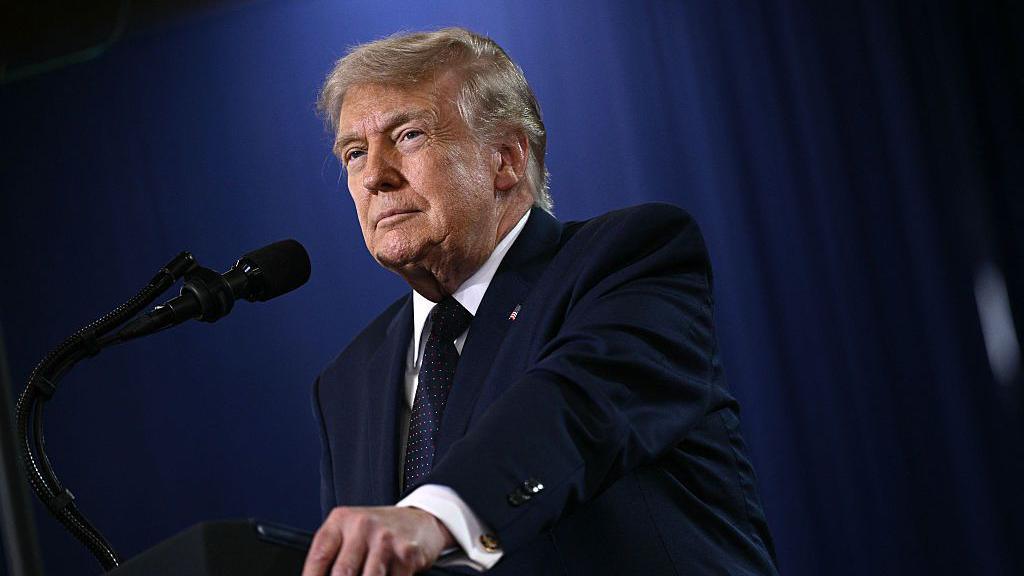
Responding to reports of threats against him, Trump said he had already left instructions for a military response should an assassination attempt against him succeed.
“I’ve left instructions — if anything happens, to just literally bomb them at levels that they’ve never seen before,” Trump told the New York Post.
The U.S. president also stated that he had been a target of Iranian threats for years.
“I’ve been on their list for a long time,” Trump said.
Trump’s remarks have attracted international attention, with security analysts warning that escalating rhetoric from either side could increase the risk of miscalculation and further destabilise an already volatile region.
Governments and international observers have continued to urge restraint, emphasizing that diplomatic engagement remains the most viable path to preventing a broader confrontation.
While the banners and statements have intensified public debate, there has been no official indication that either side is preparing immediate military action based solely on the latest exchange of threats.
The developments underscore the fragile security environment in the Middle East, where tensions involving Iran, Israel and the United States continue to shape regional and global politics. As world leaders monitor the situation closely, calls for dialogue and de-escalation continue to grow.