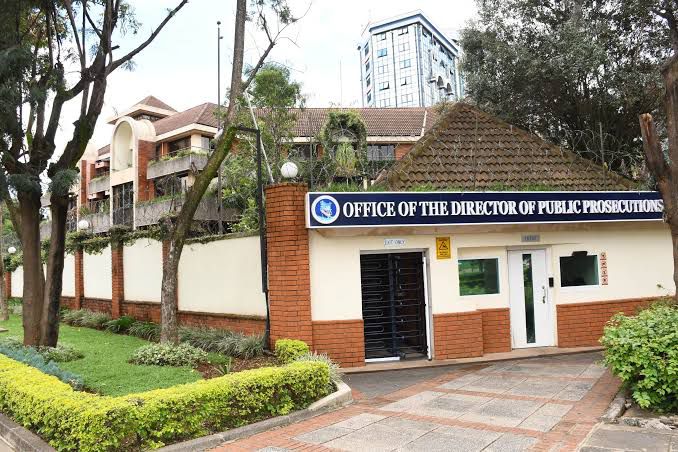
Kenya’s fight against high-level corruption has taken a sharp turn, with the Director of Public Prosecutions (DPP) Renson Ingonga ordering the arrest and prosecution of Bomet Governor Hillary Barchok, alongside several current and former top officials.
The move signals growing pressure on the country’s leadership to account for billions of shillings allegedly lost to graft, as public frustration over corruption continues to mount.
Governor Barchok to Be Charged Over Financial Dealings
Governor Barchok is staring at serious charges after investigators found he received Ksh2.75 million from companies that were doing business with his own county government. According to the DPP, the payments raise clear questions of conflict of interest, stretching back to the 2019/2020 financial year through to 2024/2025.
He’s not facing the music alone.
The DPP has also named Evans Kipkoech Korir, director of Chemasus Construction Limited, as a co-accused. The two are expected to be charged with money laundering, unlawful acquisition of public property, and handling proceeds of crime.
“This is not just about poor decisions these are criminal offences that undermine public trust,” the DPP’s office said in a statement.
Former Bungoma Governor Wangamati Also Implicated
In a separate case, former Bungoma Governor Wycliffe Wangamati is accused of embezzling over Ksh70 million during his time in office.
Investigators say the money was siphoned off through a network of private companies, with the help of complicit county officials. The former governor is set to face charges of conflict of interest, procurement irregularities, and embezzlement.
Wamatangi, Ali Under Further Scrutiny
While two other governors Kimani Wamatangi of Kiambu and Mohammed Ali of Marsabit have not yet been charged, their cases are far from over.
The DPP has asked the Ethics and Anti-Corruption Commission (EACC) to dig deeper, saying key evidence is still missing.
In Marsabit, Governor Ali and his officials are accused of awarding tenders worth Ksh309 million unlawfully over several years. The tenders reportedly went to six private companies, raising suspicion of favoritism and abuse of office.
But it’s the case in Kiambu that’s drawing the most attention.
Governor Wamatangi is at the center of a staggering Ksh23 billion procurement scandal linked to the installation of an enterprise resource planning (ERP) system. The EACC alleges that tenders were awarded unlawfully to firms with direct ties to the governor and his family.
More troubling still, Wamatangi is accused of similar conduct during his time in the Senate, where he chaired the powerful Roads and Transportation Committee. Investigators say he steered lucrative contracts toward companies connected to his wife and sister.
Charges recommended against him and his relatives include conflict of interest, fraudulent procurement, and unlawful acquisition of public property.
Thursday’s announcement is the clearest sign yet that the Office of the Director of Public Prosecutions intends to push forward with high-profile prosecutions regardless of political status.
Speaking from Nairobi, DPP Ingonga defended the decision, saying the investigations were thorough and the evidence warranted legal action.
“These cases are being brought forward in the interest of justice and public accountability. No office, no title, and no family name should shield anyone from facing the law,” he said.
For Kenyans weary of corruption headlines and empty promises, the coming weeks may reveal whether this is a genuine turning point or more political theatre in the fight against graft.