The Nairobi County Government has approved the observance of menstrual health days every two months for female employees within the county to improve their welfare and enhance service delivery in various offices across the county.
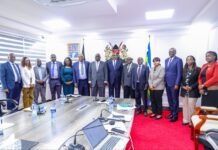
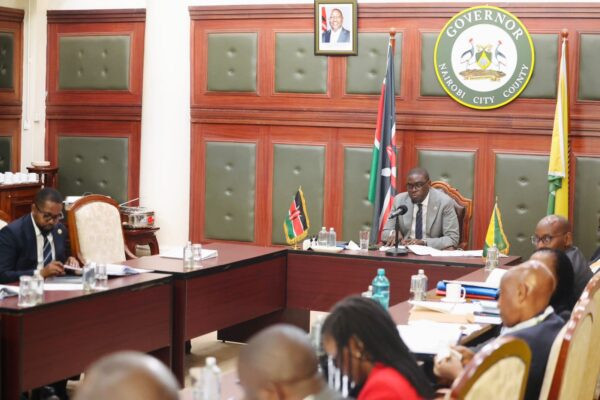
The proposal has since received endorsement from Governor Johnson Sakaja and the Cabinet during a meeting conducted on Tuesday, December 16, and is set to be fully incorporated into the county’s human resource policy framework.
The City Hall clarifies that the new policy is in reaction to the menstrual health issue that women employees have been facing in relation to the dysmenorrhea or menstrual pains they experience. It should be noted that women comprise over 50% of the employees in the Nairobi County.
The county government, in a press release, admitted that the lack of adequate menstrual health issues within its HR policies has, over time, impacted service delivery.
“According to research, between 65 and 80 per cent of women are estimated to experience menstrual pain, with a large number being crippled by symptoms that make for reduced productivity,” the release added.
“Women constitute over half the labor force in the population of Nairobi County; it therefore follows that the effect of unattended menstrual health issues is lower efficiency and presenteeism.”
With this new development, menstrual well-being days will now be incorporated into the human resources system of the county to ensure the privacy and dignity of female employees are upheld.
The Cabinet has said that guidelines and staff sensitization exercises will be implemented in all departments, and that the monitoring aspect of the new policy is to be merged with other personnel performance and employee welfare programs.
According to officials from the county, this move was evidence-informed and aligns with Nairobi City’s commitment to equality for women, decent work, and inclusive governance.
The new policy makes Nairobi part of a growing list of governments across the world that have included menstrual leave or health days in their policies. Menstrual leave in its different capacities has already been accepted in a number of countries such as Zambia, Japan, Spain, and South Korea. For example, in South Korea, women are entitled to one health day per month.
“It’s not only going to help our women employees,” said Rodriguez, “but it’s also going to help our organization have a healthier, more responsive workforce, and ultimately make our community healthier as a result of our service delivery,” he added.
As for allowing employees to telecommute one day a week