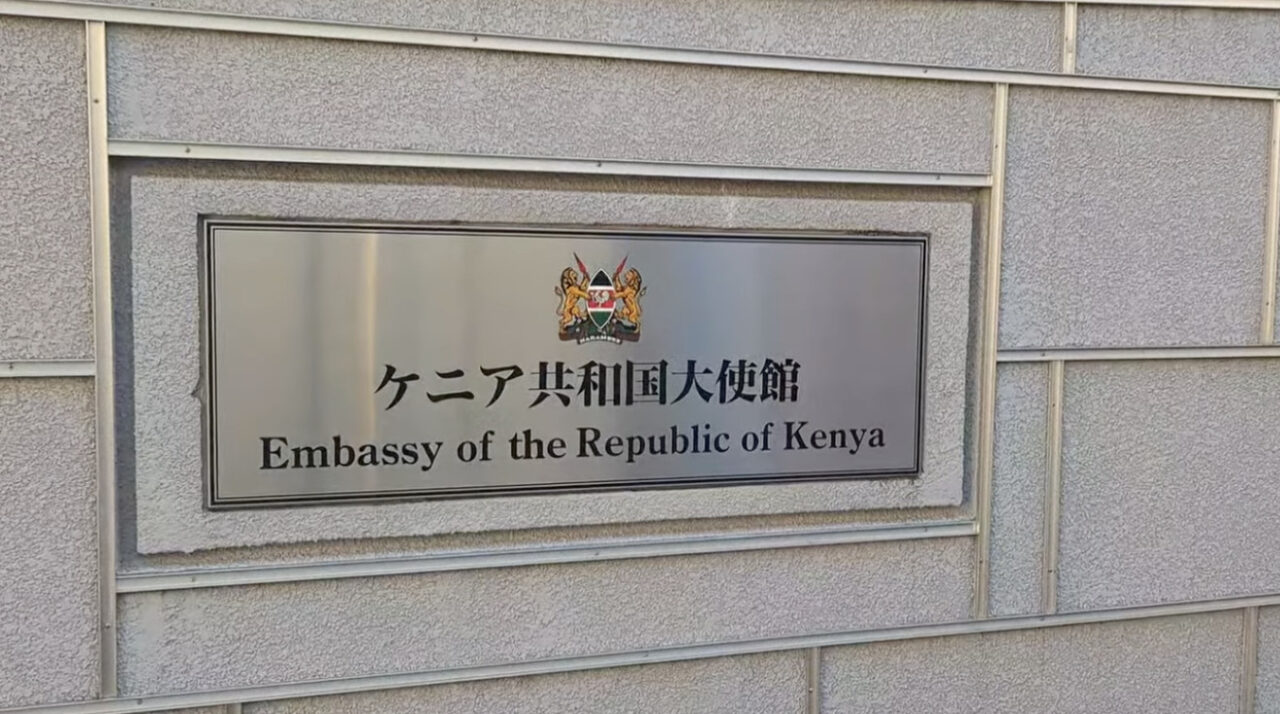
A proposed law before Parliament could change how Kenya appoints ambassadors, with career diplomats expected to take up a larger share of the country’s top diplomatic positions.
The Foreign Service (Amendment) Bill, 2026, seeks to have career diplomats make up 70 per cent of ambassadorial nominees, while those appointed from outside the professional foreign service would account for the remaining 30 per cent.
The proposal would replace the current requirement for a fair balance between career diplomats and other appointees. It would, however, retain provisions requiring appointments to reflect gender, regional and other forms of diversity.
The Bill states that career diplomats considered for the positions must have served in the Ministry of Foreign Affairs for at least 10 years.
Mwingi West MP Charles Ngusya, who is sponsoring the proposed law, says the changes are intended to increase the number of experienced foreign service officers in senior diplomatic positions.
The Bill also seeks to provide a clear definition of a career diplomat by setting a minimum period of service in the ministry.
MPs to retain role in approving ambassadors
The proposed changes would not affect the existing process of appointing ambassadors, high commissioners and other diplomatic representatives.
Under the current arrangement, the President nominates candidates before forwarding their names to the National Assembly for approval.
The National Assembly’s Departmental Committee on Defence, Intelligence and Foreign Relations is currently collecting views from stakeholders before preparing its recommendations on the Bill.
The International Relations Society of Kenya (IRSK), which presented its views on Tuesday, November 3, supported having more career diplomats considered for ambassadorial positions but called for clearer wording in the proposed law.
The society contended that the Bill should specifically specify that the career diplomats must fill at least 70 per cent of the posts, as opposed to stating that 70 per cent is the maximum number.
Further, the society wanted clarification on how the 10 years of service provision would be calculated, especially as to whether the time served on secondment/assignment outside the ministry qualifies.
On the other hand, the Association of Former and Retired Ambassadors endorsed the reforms but insisted on more stringent experience requirements.
The association proposed increasing the minimum service period from 10 to 15 years and requiring career diplomats to have attained at least the rank of Director or Minister Counsellor before being considered for the appointments.
The proposals are still under consideration as Parliament continues to receive submissions from stakeholders.