Kenya Wildlife Service (KWS) has introduced a new conservation fee system that will contribute to strengthening financial resilience, promoting inclusivity, and diversification of tourism products in national parks and reserves.
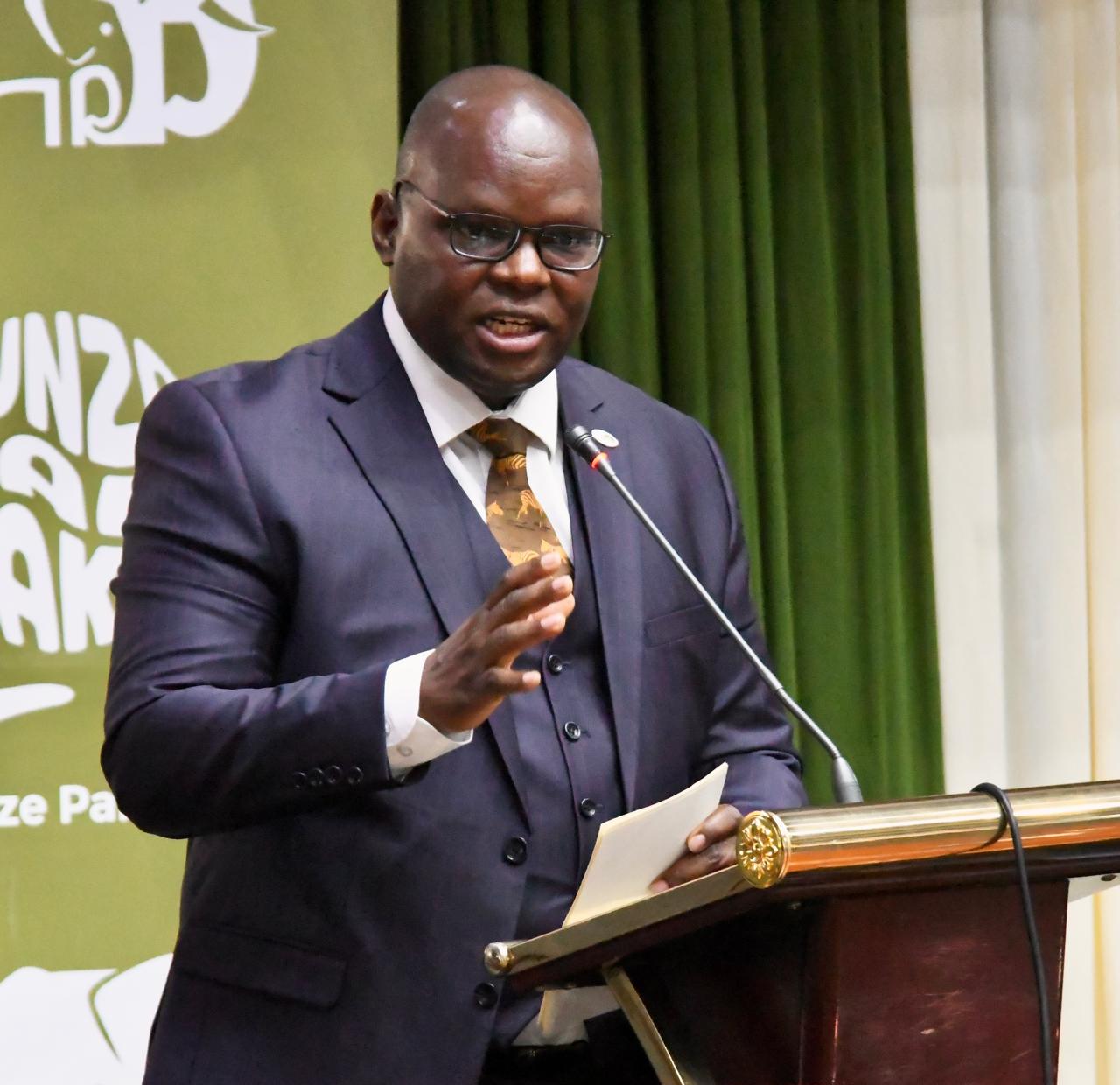
Addressing the validation forum for the Wildlife Conservation and Management (Access and Conservation) (Fees) Regulations 2025, KWS Director General Prof. Erustus Kanga underscored the urgent need to fund Kenya’s world-famous wildlife more.
“Conserving a lion in Tsavo, guiding a turtle hatchling in Watamu, or securing our parks requires serious resources. In the absence of sustainable finance, conservation remains a dream deferred,” Prof. Kanga added.
The new system will see the annual conservation income rise from Ksh 7.98 billion to Ksh 16.5 billion by 2028. Prof.
Kanga explains that such funds will be redirected into developing visitor amenities, improved ranger operations, habitat rehabilitation, and supporting communities coexisting with wildlife.
The regulations also emphasize inclusivity. Individuals with disabilities will be exempt from park entry fees, and East African citizens aged 70 years and above as well as children aged below five years will be allowed free access.
Front-line tourist workers guides, drivers, porters, and boat crew members will also be admitted free to parks in gratitude for their essential contribution to the sector.
Apart from traditional game drives, rules introduce experiential tourism such as animal tracking, cultural tourism, conservation volunteering, and adventure tourism.
They are expected to encourage longer stays by tourists, contribute to local economies, and offer opportunities for young people in the growing wildlife economy.
“Wildlife conservation is not a luxury. It is a duty of justice to our country, our people, and our children,” Prof. Kanga said, adding that part of the funds will be used to upgrade infrastructure such as roads, stops, and toilets to international standards.
He called on government ministries, stakeholders in the industry, local communities, and the press to support the new rules, which he described as bold and necessary.
“That kind of regulation is the bridge between the Kenya we are today and the Kenya we are to be tomorrow a nation where wildlife thrives, communities prosper, and future generations inherit a living heritage,” he said.
The meeting also allowed stakeholders to check against proposals on national-level public participation forums to ensure that the regulation records the voice of Kenyans.