Kenya Power has completed a new electricity inter-connector linking Kitui and Machakos counties at a cost of Sh22 million, aimed at improving the reliability of power supply in the region.
The new line will serve South Eastern Kenya University (SEKU), as well as the Kwavonza and Katangini areas in Machakos, providing an alternative power source for parts of the county that frequently experience outages.
Previously, SEKU and surrounding areas relied solely on the Masii line from Katoloni, which was prone to frequent disruptions due to its long stretch and limited capacity.
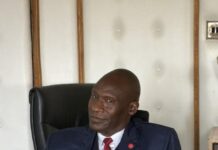
“This project will enhance service delivery and customer experience by improving the quality of power supply. Previously, SEKU University and adjacent customers were served by the Masii power line that runs from Katoloni in Machakos County, which often experienced outages due to its expansiveness,” said Kenya Power’s Kitui County business manager, John Wanyoike.
As part of its broader infrastructure upgrade, the utility firm plans to construct a new substation at Mbitini in Kitui County to ease pressure on overstretched lines and reduce power losses. The substation will serve areas including Zombe, Ikanga, Voo, and Ikutha, where electricity reliability has been a persistent concern.
Kenya Power has also doubled the capacity of the Kitui Substation to 10MVA and built a dedicated 33kV power line to feed it directly—measures the company says have already improved supply stability in Kitui town and its environs.
The demand for electricity in Kitui has been rising, driven by growing light industries and newly connected consumers. To meet this demand, the company says it is continuing to expand infrastructure and upgrade its local network.
Currently, about 94,000 households in Kitui County are connected to the national grid. Under Phase IV of the ongoing Last Mile Connectivity Project, Kenya Power aims to connect an additional 7,500 households.
In efforts to strengthen its network, the company has also replaced about 1,200 termite-damaged wooden poles with concrete ones, at a cost of Sh140 million during the last financial year.