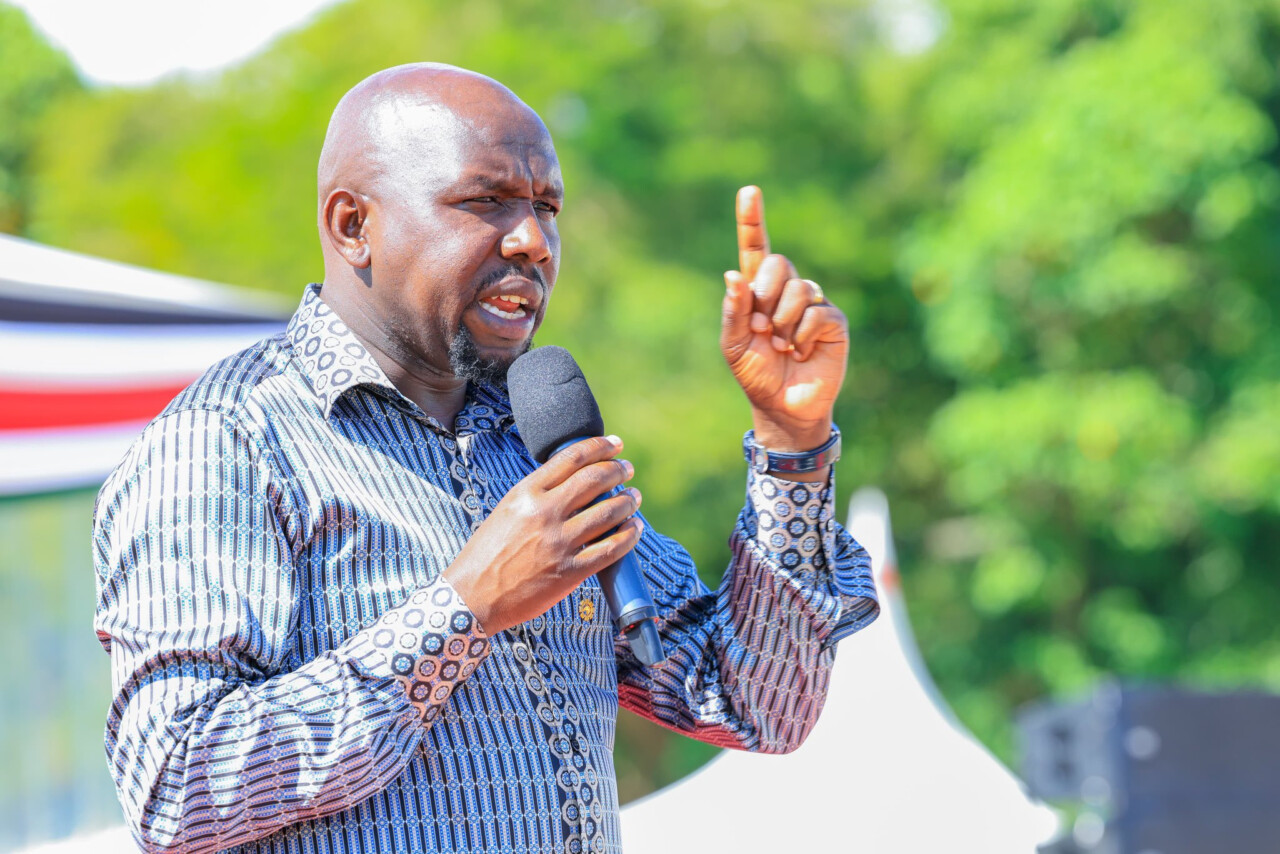
The government has renewed its commitment to overhauling the National Police Service (NPS) through a comprehensive reform agenda aimed at aligning law enforcement with constitutional values, professional ethics, and public accountability.
According to the Cabinet Secretary in the Ministry of Interior, these reforms are designed to tackle long-standing systemic issues and move the police service away from colonial-era practices towards a modern, rights-based institution in line with Article 244 of the Constitution. This article mandates the police to uphold high standards of professionalism, discipline, and respect for human rights.
“Institutional reforms have become the bedrock of restoring public confidence in our police. The shift from a force to a service is more than just a name change — it’s about embedding a culture of ethics, integrity, and constitutionalism,” said Murkomen.In the past decade, over 600 officers have lost their lives in the line of duty, many during criminal operations and public protests. The Ministry paid tribute to these fallen officers and reaffirmed its support for security personnel who continue to serve under difficult circumstances.
Despite these efforts, the government acknowledged that meaningful police reform has faced setbacks. Challenges such as limited operational independence, inadequate resources, corruption, and recurring cases of police brutality have slowed progress.
The 2008 Kriegler Report laid the groundwork for these reforms, but implementation has lagged. To address this, President William Ruto, upon taking office in 2022, established a task force to examine necessary reforms within the police, prison service, and National Youth Service (NYS).
This culminated in a Memorandum of Understanding signed on March 7, 2025, between President Ruto and opposition leader Raila Odinga. The agreement underscored the need to protect youth livelihoods and uphold the right to peaceful protest as enshrined in Article 37 of the Constitution.
As part of the reform process, a Technical Committee was formed in August 2024 to develop policy, administrative, and legislative changes based on recommendations from the task force.