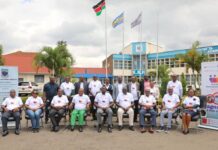
The event has brought together scientists, policymakers, civil society groups, industry players, and development partners from across the continent in Nairobi, where the 2nd ASLM Special Convention on Diagnostics is being hosted by Kenya this week.
The one message echoed throughout the meeting, held just days after the global observation of World Antimicrobial Resistance Week, was that diagnostic systems in Africa have to be strengthened if antimicrobial resistance is to be contained, outbreaks detected early, and health systems built that are resilient to future shocks.
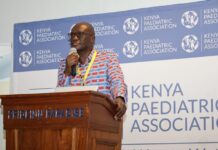
Speaking on behalf of the Principal Secretary for Public Health and Professional Standards, Director for Public Health Dr Stephen Muleshe said that Kenya was intentionally placing diagnostics at the centre of Primary Health Care, Universal Health Coverage and national health security.
He pointed to the progress made over the past decade on expanding the laboratory network, improving genomic and AMR surveillance, integrating diagnostics into PHC, and increasing domestic investments in emergency preparedness.
“These efforts are not just policy ambitions-they are investments that safeguard lives,” he said.
Delegates are similarly exploring, throughout the week, new technologies, integrated surveillance models, and financing mechanisms that can help countries scale AMR interventions more sustainably. Part of the discussion is focused on how Africa can mobilise more resources to accelerate progress.
Dr Muleshe also hailed ASLM for championing increased coordination on the continent. He welcomed making the Convention a full-time platform to realign and harmonize policy with the sharing of innovations and capacity building of Africa’s diagnostics ecosystem. “A stronger and more connected Africa starts with stronger diagnostics,” he said, adding that Kenya is committed to working with regional partners to advance that vision.