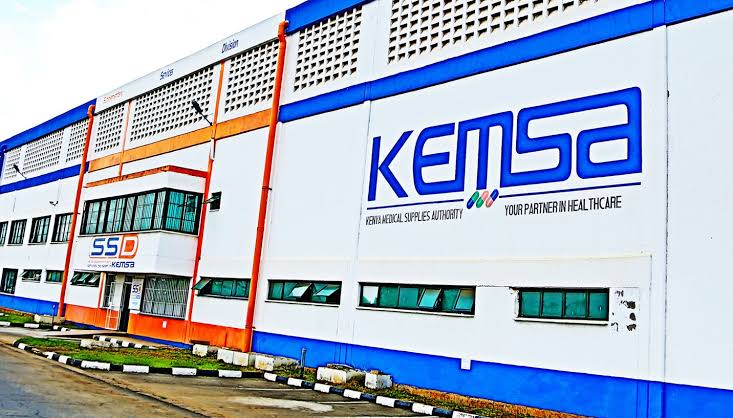
The Kenya Medical Supplies Authority (KEMSA) is rolling out a digital tracking system aimed at preventing the diversion of government medicines and improving accountability in the distribution of medical supplies.
The system, developed in collaboration with the Ministry of Health, will allow authorities to monitor medicines from manufacturers to KEMSA warehouses, health facilities and ultimately patients.
Under the new arrangement, pharmaceutical products will carry GS1 DataMatrix barcodes containing details such as product identification, batch numbers, expiry dates and unique serial numbers.
The digital codes will enable authorities to establish where specific medicines originated, their movement through the supply chain and their intended destinations.
KEMSA is also introducing geo-fenced electronic locks and electronic proof-of-delivery systems to strengthen security during transportation and confirm that supplies reach the designated health facilities.
The rollout will initially cover medical commodities funded under the Kenya-US Health Cooperation Framework.
The framework requires Kenya to implement GS1-based tracking for US-funded commodities distributed through KEMSA. It also provides for stronger measures to detect and investigate cases of lost or diverted supplies.
The system will be linked to KEMSA’s Enterprise Resource Planning (ERP) platform and the National Logistics Management Information System to improve monitoring and coordination.
The development comes as the government moves to tighten regulation of pharmaceutical products and improve access to safe medicines.
On November 4, Principal Secretary for Medical Services Dr Ouma Oluga announced that pharmaceutical manufacturers and suppliers must comply with GS1 coding standards by December 31, 2026.
The Pharmacy and Poisons Board has also outlined a phased traceability programme requiring GS1-compliant serialization of individual medicine packs from January 1, 2027.
The board says the system will improve product authentication, help identify falsified medicines and support targeted recalls when safety concerns arise.
KEMSA distributes medical supplies to more than 10,000 health facilities across the country. The new controls are expected to strengthen oversight of these deliveries and make it easier to identify gaps in the supply chain.