A number of Muslim clerics in the Western region have demanded an immediate change in the leadership of the Supreme Council of Kenya Muslims (SUPKEM) citing that not only have there been divisions that have deepened but also, there has been a lack of transparency in the management of the organization’s affairs.
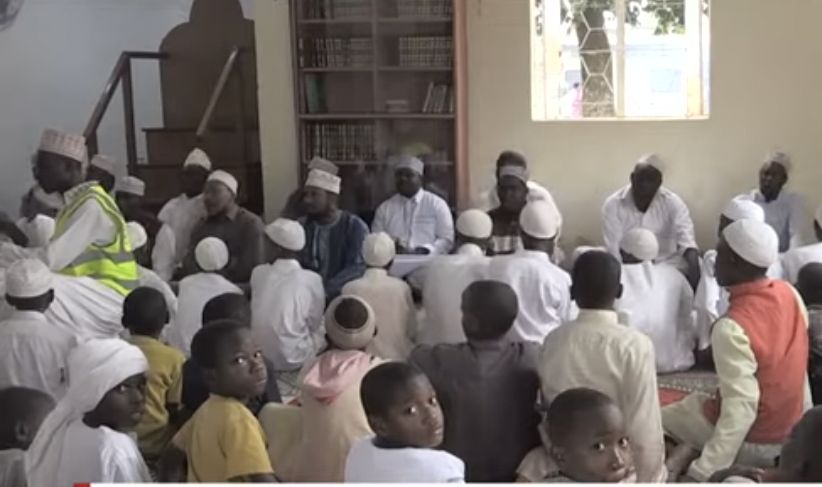
During a forum of imams and preachers held in Malaba Town, Busia County, the leaders alleged that the current trustees have been mismanagement of funds and at the same time have not been accountable in the council’s operations at the national level.
The call for change was spearheaded by the Council of Imams and Preachers of Kenya (CIPK) Busia branch chairman, Sheikh Ramadhan Musa who went on to add; SUPKEM can only regain its lost glory and the trust of the people through reforms. He attributed the sinking of the council into irrelevancy and its steady retreat from being the common voice of Muslims in the country to financial misappropriations and lax governance practices.
“The community deserves to be led by a leadership that is in touch with the ground realities of the Muslim community. New leadership that will give attention to the ideals of transparency, inclusivity, and accountability is what we need now, not the trustees who have always let us down,” said Sheikh Musa.
Comfortable as they were, with what went on between the leadership and the council at the national level, the imams cautioned that the internal divisions in SUPKEM could even go further to marginalize those sections of the Muslim community who are already left out, particularly in a situation when Muslims have to be united just so as to tackle their social, educational and economic problems.
They beseeched national leaders of the council to consider not only reforms but also dialogue with the grassroots religious leaders as a way of strengthening the institution’s legitimacy.
The Muslim community debates on how SUPKEM’s leadership, which is at the centre of the current ideological differences within the council, will be able to represent and champion the interests of Muslims in Kenya, are still ongoing when these calls were made.