The Intergovernmental Authority on Development (IGAD) has released its 2024 annual report, offering a rare look at some of the quiet progress made across East Africa in a year marked by political tension and climate pressure.
From strengthening food systems in drought-hit areas to easing cross-border tensions and supporting peace talks, the report shows how small interventions added up across the eight IGAD member states Kenya, Ethiopia, Uganda, Somalia, Djibouti, Eritrea, Sudan and South Sudan.
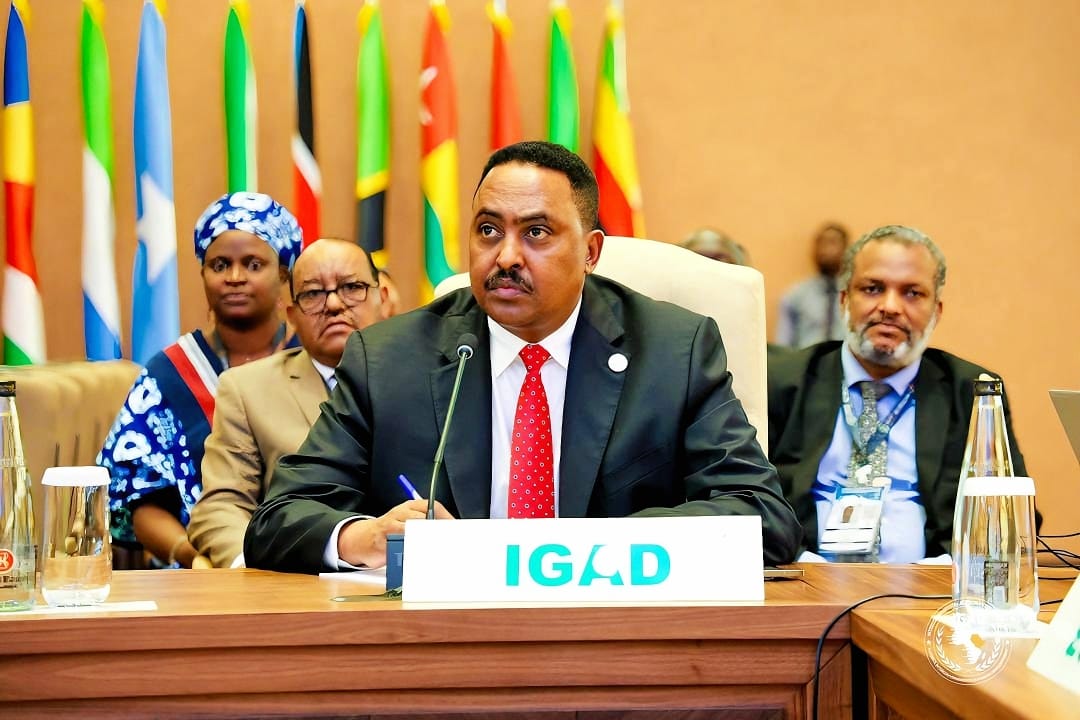
IGAD Secretary Dr. Workneh Gebeyehu said the organisation focused less on headlines and more on fixing what matters.
“We’re working in places where even small changes save lives. This is about protecting people’s futures, not chasing praise,” he said.
In Kenya and Ethiopia, communities received support to better track drought and respond earlier.
Farmers in Uganda and Somalia were given drought-resistant seeds and training on how to deal with changing weather.
In Djibouti, coastal communities improved their fishing practices. South Sudan saw degraded grazing land restored to help pastoral families recover after years of instability.
IGAD also backed land policy reforms in Uganda and South Sudan, while helping women in Somalia get legal access to land a big step in a place where rights are still tied to clan politics.
Beyond agriculture, the report covers climate programs in countries like Sudan, where weather forecasting services were upgraded, and Kenya, where water-saving irrigation projects were rolled out.
IGAD also supported digital tools to help farmers reach markets faster.
IGAD remained active on peace and security in Sudan’s, stalled transition and continued its diplomacy in South Sudan.
The agency also flagged maritime security in the Red Sea and anti-extremism efforts in Somalia as key parts of its 2024 work.
Health and education weren’t left out. In refugee camps, IGAD-supported TB programs continued. Ethiopia moved toward digital health systems. And regional scholarships helped students from countries like Somalia continue their studies.
Dr. Workneh closed the report with a quiet note of optimism.
“The politics will always be noisy,” he said. “But real progress comes when people sit down, talk, and keep working.”