Deputy President Kithure Kindiki may be presenting his latest political activities as routine party mobilisation, but there is a bigger strategy taking shape beneath the surface.
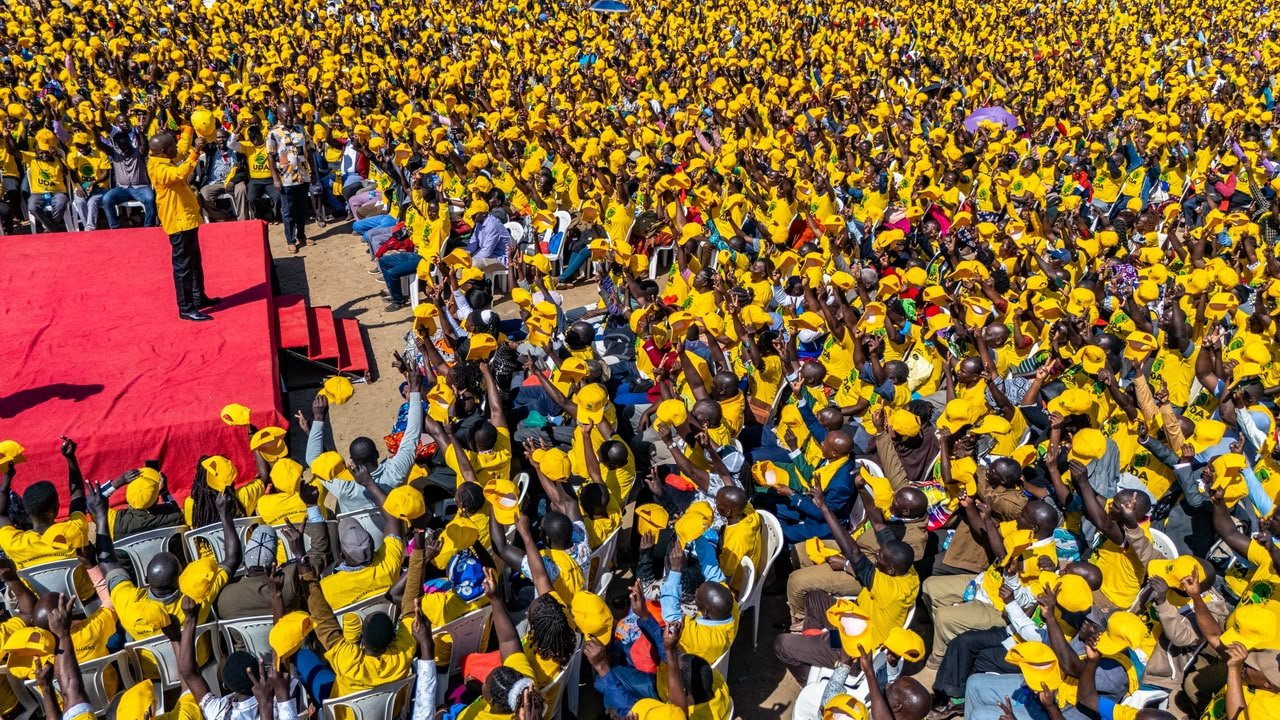
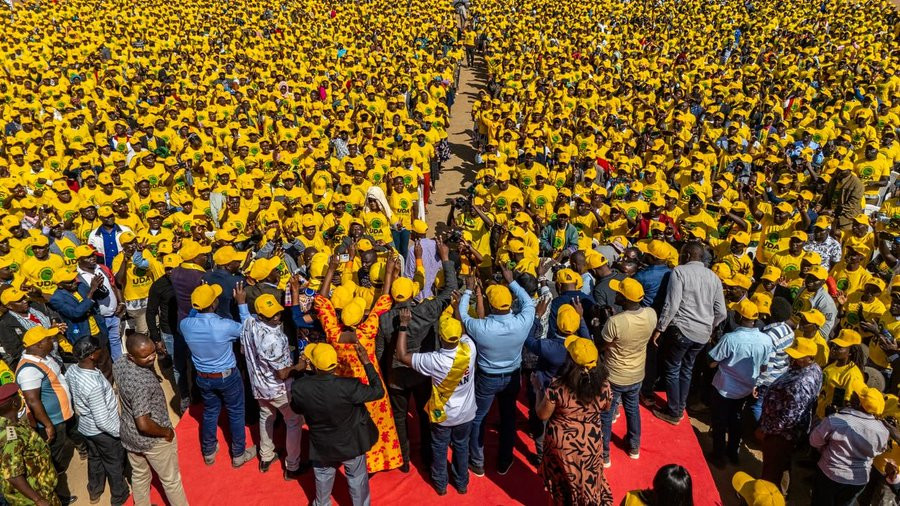
His meeting with 15,000 UDA grassroots officials in Tharaka Nithi is a strong indication that Kindiki is already helping build the political machinery that President William Ruto will need in the 2027 General Election. Recent reporting also confirms that the mobilisation was aimed at preparing the officials to defend the party and government record.
Kindiki says UDA has elected officials in every polling centre, with 20 officials at each centre. That gives the ruling party an extensive grassroots network—and Kindiki clearly wants it activated early.
“These are the foot soldiers for defending our track record and shielding our communities from agendaless and superficial political outfits seeking leadership through lies and empty chants and slogans,” Kindiki said.
In my view, this is where Kindiki’s political strategy becomes interesting.
He is not simply defending Ruto’s administration from podiums. He is helping create a grassroots communication network capable of taking the government’s message directly to voters.
His instructions to the officials are equally revealing. He wants them to explain what the government has done on the economy, agriculture, education, healthcare, jobs, electricity and sports.
That means the 2027 contest is already being framed around one central question: Can Ruto’s administration convince voters that its record deserves another term?
Kindiki appears determined to make sure the answer comes from the grassroots rather than being dictated by the opposition.
There is also a personal political calculation.
Kindiki has already declared that he will be Ruto’s running mate in 2027. His mobilisation of UDA structures therefore serves two purposes: defending Ruto’s presidency while strengthening the political machinery behind the Ruto-Kindiki ticket.
This is particularly important in Mount Kenya, where competing political formations are already fighting for influence.
Kindiki’s advantage is that he occupies the Deputy President’s office while also serving as UDA’s deputy party leader. That gives him access to both government visibility and party structures.
His approach is noticeably different from the more confrontational politics of some of his rivals.
But Kindiki is no longer entirely staying above the political fray. His recent attacks on former Deputy President Rigathi Gachagua show that he is increasingly willing to engage directly in the political contest.
The bigger picture is therefore becoming clearer.
Kindiki is building structures, defending the government record, consolidating his home region and positioning himself as indispensable to Ruto’s 2027 campaign.
If the strategy succeeds, Kindiki will enter the 2027 campaign with something more valuable than political speeches: an organised grassroots network capable of carrying the Ruto-Kindiki message from the polling centre to the voter.
And that may explain why Kindiki is increasingly confident that the current ticket can return in 2027.