Kenyans are protected from a fuel shock this festive season after the Energy and Petroleum Regulatory Authority announced that fuel prices would remain unchanged for the next mon
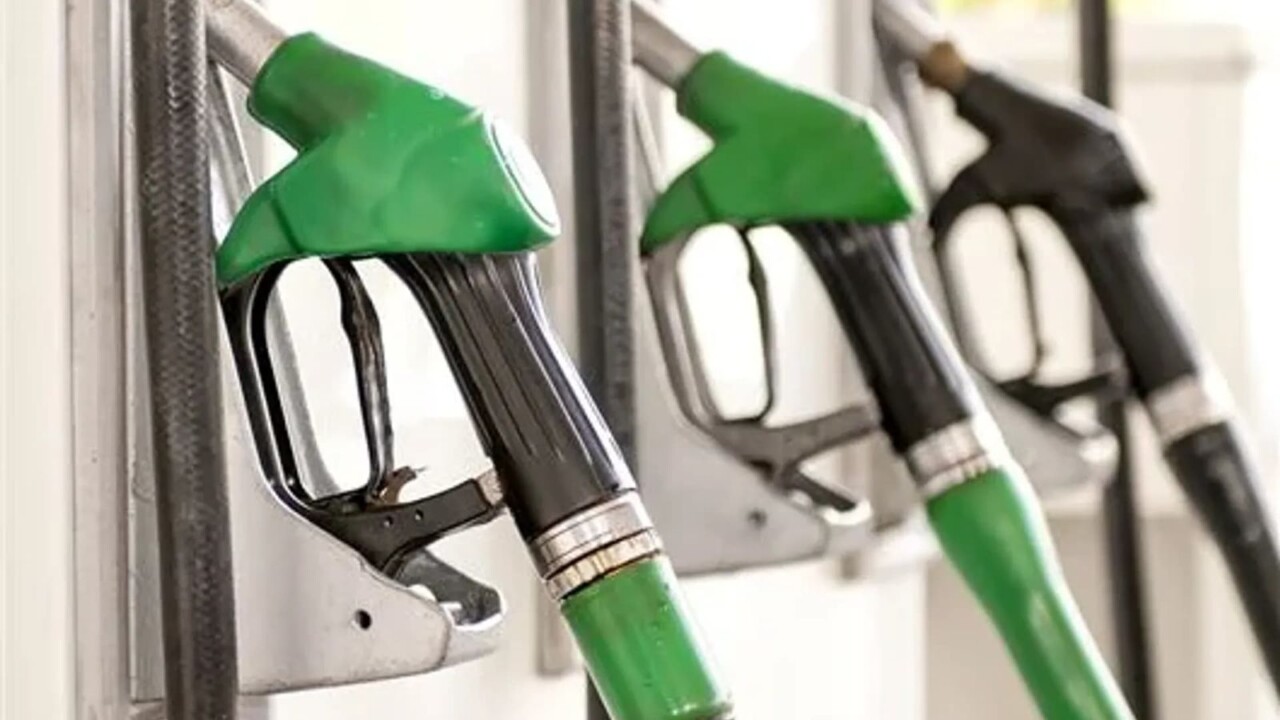
In a statement issued on Sunday, EPRA announced that the fuel prices of Super Petrol, Diesel, as well as Kerosene, would remain unchanged between December 15th and January 14th.
This means that Kenyan motorists would continue to buy fuel at Sh184.52 per litre of petrol, Sh171.47 per litre of diesel, and Sh154.78 for kerosene. This is the third month running that fuel prices would remain unchanged by the fuel costs regulator.
This is expected to provide some respite to consumers, who were hoping for at least a nominal cut in prices, given that there is a considerable spurt in travel and transport services witnessed during the Christmas and New Year season.
EPRA explained that the pricing was determined in conformity with the Petroleum Act of 2019 and in line with the applicable corridors of the pertinent laws. Additionally, EPRA noted that the retail fuel prices include the 16 percent Value Added Tax (VAT), excise duty, and other taxes as provided by the current laws.
Those outside the capital city of Nairobi will get fuel at cheaper rates. In Mombasa, fuel prices for a litre of petrol shall be Sh181.24, diesel Sh161.19, while kerosene sells at Sh151.49. In Nakuru, super petrol sells by a litre at Sh183.56, diesel is Sh170.87, while kerosene is Sh154.21.
According to EPRA, the trends of the global oil price and sea transport costs were not similar for the various petroleum products. While the average import cost of super petrol declined by 4.25 percent from October to November, which is more than Sh3,000 per cubic meter, the cost of landing both diesel and kerosene rose, thus ruling out a possibility of a reduction in fuel prices.
Despite this cut, stable prices would be a relief to both households and businesses that are struggling with the current cost of living. It is also the month that the transport sector, which depends on petrol and diesel fuel, registers one of its peak seasons.
This came after fuel prices were stabilized for the better part of the second half of the year, despite a major spike in July when Kenyans were faced with the biggest fuel price hike in over a year. This came before the fuel prices eased up before finally stabilizing at current levels.
Despite the perception that the country is a major oil producer, it is still important to note that it imports all of its petroleum products in their refined form. This means that the fuel prices in the country are dependent on the global markets.