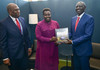
The Ethics and Anti-Corruption Commission (EACC) is now looking to technology including artificial intelligence as its new weapon in the fight against corruption and complex financial crimes.
As criminals become more clever and move money through digital platforms and cross-border deals, the commission says old investigation methods are no longer enough.
Speaking at an international meeting in Djibouti, EACC Chief Executive Officer Abdi Mohamud said Kenya and other African countries must quickly adopt modern tools like artificial intelligence, blockchain and data analysis systems if they want to keep up.
“Financial crimes today are more sophisticated. We must use technology to match them,” Mohamud told delegates during the 13th International Symposium of the Forum of State Inspections of Africa.
He explained that technology is no longer optional but necessary, especially in cases involving virtual currencies and online transactions that are harder to trace.
Mohamud said that the commission had already digitized 58 percent of its workflow and would soon be able to conclude digitization of all its workflow. The investigators are using digital forensic tools to extract information from phones and other electronic gadgets.
With the help of artificial intelligence, EACC is able to identify suspicious patterns even faster, uncover hidden money trails, and detect fraud before they even spread.
He pointed out Kenya’s ambition of delivering more internet-based government services via the Digital Super Highway, citing less personal interaction as reducing opportunities for bribes and manipulation.
“Technology curbs human discretion and boosts transparency,” he said.
Kenya is one of only a few African countries with regulatory laws regarding virtual assets, a strategy aimed at addressing concerns such as money laundering and online scamming, among other things, without sidelining new financial technologies.
At the meeting in Djibouti, which brought together government officials from 24 African countries, as well as experts in government and AI, the country’s President, Ismael Omar Guelleh, opened the meeting.
This renewed impetus for more stringent enforcement comes as the Financial Reporting Centre has put the assets of 13 suspected persons believed to be financing terrorism on hold, suggesting that banks freeze all transactions involving them.
For the EACC, the message is clear: as crime goes digital, the fight against corruption must also move online.