Kenya has unveiled a new five-year strategy aimed at strengthening the fight against HIV and other related health conditions, as the government seeks to build on gains made over the years while addressing emerging health challenges.
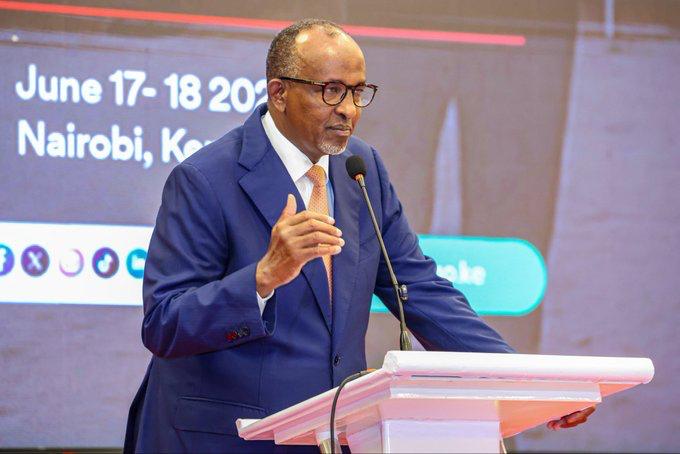
Health Cabinet Secretary Aden Duale on Thursday launched the Kenya AIDS Integration Strategic Framework (KAISF) 2025–2030 alongside 47 County Syndemic Operational Plans during the 2026 Joint Annual Programme Review organised by the National Syndemic Diseases Control Council.
The new framework will guide Kenya’s response to HIV and other interconnected diseases over the next five years, while helping counties tailor interventions to their specific health needs.
The two-day meeting, held under the theme Strengthening Evidence-Based, Multisectoral Action for Impact, brought together officials from national and county governments, development partners, civil society groups, health experts and community representatives to assess progress made in the country’s HIV response and chart the way forward.
A major highlight of the forum was the unveiling of county-specific plans designed to translate national health priorities into action at the grassroots level.
Speaking during the launch, Duale said Kenya had made notable progress in reducing new HIV infections, lowering AIDS-related deaths and improving access to treatment. However, he noted that more work remains, particularly among groups that continue to face a higher risk of infection, including children, adolescents and young people.
He said changing disease patterns, population dynamics and shifts in global health funding require a more coordinated approach that looks beyond HIV alone.
As per the Cabinet Secretary, the Kenyan government is now increasingly emphasizing health integration programs such as Universal Health Coverage, Primary Health Care and improved community health program to enable Kenyans to receive quality health care services nearer to their homes.
This new strategy also recognizes that HIV is usually accompanied by other diseases, including Tuberculosis, sexually-transmitted diseases, viral hepatitis, mental disorders, and non-communicable diseases. This explains why this strategy tries to coordinate health programs and avoid duplication of services.
According to officials, the framework was crafted through consultative forums which brought together county governments, development partners, and the communities at large, following past experiences from Kenya’s efforts in dealing with HIV and in light of its plan to sustain its achievements beyond 2030.
Duale took the opportunity at the event to provide an update on health staffing where he noted that the transfer of Universal Health Coverage workers into permanent and pensionable conditions will take effect in July 2026.
The Health CS stated that the government had budgeted KSh8.9 billion in this process following a directive by President William Ruto.
CS Duale encouraged stakeholders to work together in order to sustain their achievements and ultimately end HIV infection in the country in the end.
Some of the dignitaries that graced the event included Medical Services Principal Secretary Ouma Oluga, Bungoma Governor Kenneth Lusaka, NSDCC Chairperson Ahmed Abass, CEO Douglas Bosire, county health executive officers, Members of Parliament, and development partners.
The launch comes at a time when Kenya is working hard to sustain years of successes in combating HIV and also adapt its health system to deal with other diseases through a more integrated and people-oriented approach.