The Judiciary has revealed that 10,894 convictions have been recorded in Kenya’s Register of Convicted Sexual Offenders, with defilement emerging as the leading offence.
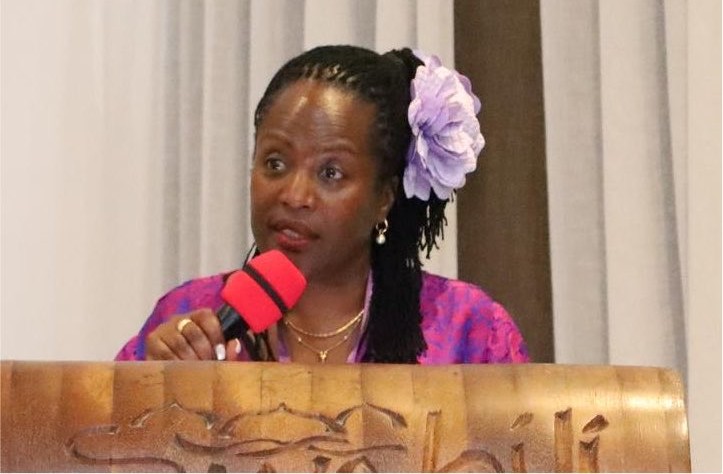
Chief Registrar of the Judiciary Winfridah Mokaya said the data was helping the Judiciary identify gaps and guide targeted reforms in the fight against sexual and gender-based violence.
Speaking during the FIDA Kenya Conference held under the theme “Women Leading Through Change: Gender Justice, Digital Innovation and Democratic Participation,” Mokaya said the figures showed the scale of the problem facing the country.
Defilement accounted for the highest number of convictions, followed by rape, attempted defilement, incest and sexual assault.
Nairobi recorded the highest share of the convictions at 17 per cent, followed by Kilifi at 14 per cent, Murang’a at 13 per cent and Uasin Gishu at 10 per cent.
Mokaya said the data was being used to determine where resources and interventions were most needed.
She, however, cautioned that the fight against sexual and gender-based violence could not be left to the courts alone.
The Chief Registrar described SGBV as a deep-rooted societal problem requiring interventions beyond legal action.
She said the Judiciary was pursuing partnerships with county governments to establish rescue centres for victims and survivors.
Court Users Committees will also be used as platforms for sensitisation and advocacy, she said.
Mokaya invited FIDA Kenya to partner with the Judiciary in strengthening these interventions.
The Judiciary is also turning to technology and data to improve access to justice and strengthen institutional accountability.
Mokaya said her office had automated the Register of Convicted Sexual Offenders to improve access to information and support decision-making.
She said digital transformation was also being used to reduce delays and make justice institutions more responsive to the public.
Mokaya further highlighted the growing role of women in driving reforms within the Judiciary, saying women were not merely beneficiaries of institutional change but were actively leading it.
She urged women occupying positions of influence to use those spaces to transform institutions and make it easier for future generations to advance.
“Much of the progress enjoyed by women today had been built on the courage and sacrifices of women who came before them,” she said.