Chief Justice Martha Koome has reaffirmed the justice sector’s commitment to building a coordinated, people-centred and responsive justice system that remains faithful to the Constitution.
Speaking during the 38th session of the National Council on the Administration of Justice (NCAJ) in Mombasa, Koome said justice institutions must work together to ensure the justice chain operates as one coherent system that is efficient, accountable and responsive to the needs of Kenyans.
She noted that no single institution can independently deliver an effective justice system, given the increasingly complex and interconnected challenges facing the sector.
“The challenges confronting our justice sector are increasingly complex and interconnected, requiring coordinated, collaborative and innovative responses. That is precisely why the National Council on the Administration of Justice exists,” Koome said.
The Chief Justice highlighted ongoing reforms across the justice sector, including the proposed Open Prison Model, which she said could introduce innovative rehabilitation approaches while safeguarding public safety.
According to Koome, the model could help reduce repeat offending, improve rehabilitation outcomes and strengthen collaboration among justice, health, probation, correctional and community institutions.
At the same forum, Correctional Services Principal Secretary Dr. Salome Beacco said her department had initiated several reforms aimed at strengthening rehabilitation and improving service delivery.
She identified the digitisation of correctional operations as a key priority in modernising offender management and enhancing rehabilitation programmes.
“From my perspective, digitising correctional services in Kenya presents a unique set of challenges, but equally transformative opportunities,” Dr. Beacco said.
She said the planned Integrated Correctional Management Information System (ICMIS) and Offender Management Information System (OMIS) would improve offender management, strengthen collaboration among institutions and expand access to education and rehabilitation services.

The systems are also expected to enhance transparency, accountability and resource allocation within correctional services.
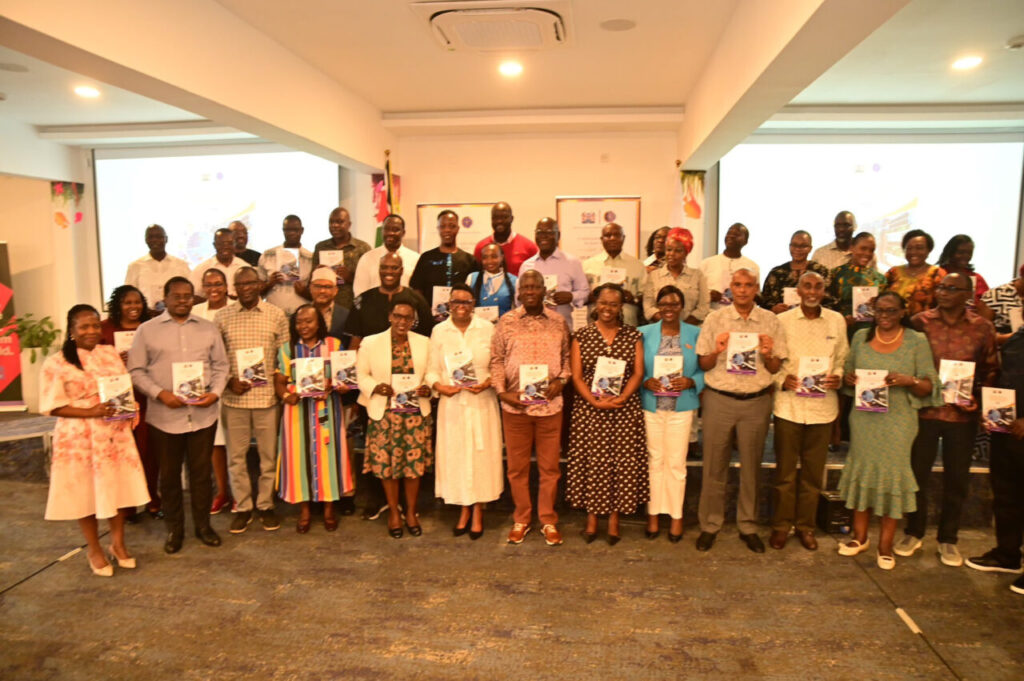
During the meeting, the NCAJ launched five reform instruments, including the Justice Sector ICT Policy and Action Plan, Standard Operating Procedures on Sexual and Gender-Based Violence, and Standard Operating Procedures for the Effective Undertaking of Service Delivery Initiatives.
The Council also unveiled the People-Centred Justice Guidelines and Study, which are expected to promote improved access to justice and strengthen public confidence in justice institutions.
The forum is also set to consider several strategic reforms, including the Draft Sexual Offences Amendment Bill, progress towards the operationalisation of Instant Traffic Fines and measures to strengthen the handling of wildlife crime.
Other issues on the agenda include the development of national guidelines for interviewing children within the justice system, the review of identification parade procedures and coordinated election preparedness ahead of the 2027 General Election.