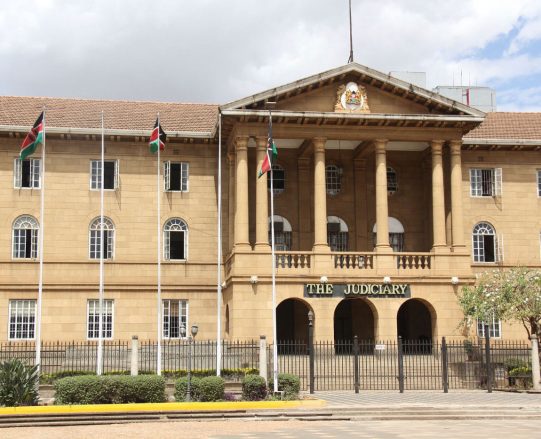
The Judiciary has defended its handling of cases involving abductions and enforced disappearances, saying it can issue orders to protect victims but cannot force security agencies to carry them out.
In a statement issued on Saturday, November 7, Judiciary Spokesperson Paul Ndemo said the courts had a constitutional duty to protect fundamental rights but were not responsible for investigating crimes or enforcing the law.
The response followed criticism in a local newspaper over the Judiciary’s handling of abduction cases and alleged impunity by law enforcement agencies.
Ndemo said the Judiciary respected the media’s role in holding public institutions accountable but warned against reports that placed responsibility on institutions for duties outside their mandate.
He explained that courts determine disputes and the rights of parties based on the Constitution, the law and evidence presented before them.
“The Judiciary is an independent and impartial arbiter of disputes, not an investigative, prosecutorial or law enforcement agency,” he said.
The Judiciary also condemned abductions and enforced disappearances, saying courts had continued to use their constitutional powers to protect people whose rights had been violated.
Among the remedies available to courts are habeas corpus proceedings, through which they can require authorities to account for a person who has been detained or whose whereabouts are unknown.
Ndemo said orders issued by courts in such cases were binding on all individuals and institutions, including State and security agencies.
He added that the responsibility to comply with those orders rested with the agencies and individuals to whom they were directed.
The Judiciary urged media organisations to distinguish between the work of courts and that of investigative, prosecutorial and law enforcement agencies when reporting on cases involving human rights violations.
It said blaming the courts for failures by other State institutions could mislead the public about where responsibility lies.
The statement comes days after the Judiciary announced a technical problem affecting its Cause List Portal, which provides information on cases scheduled for hearing.
On October 26, the Judiciary said it had put alternative arrangements in place as its technical team worked to resolve the problem.
Advocates and other court users were advised to log into their E-Filing accounts and use the calendar feature to access virtual court links and check their scheduled cases.
Judges and judicial officers were also asked to display cause lists during virtual sessions where possible to help court users follow proceedings.