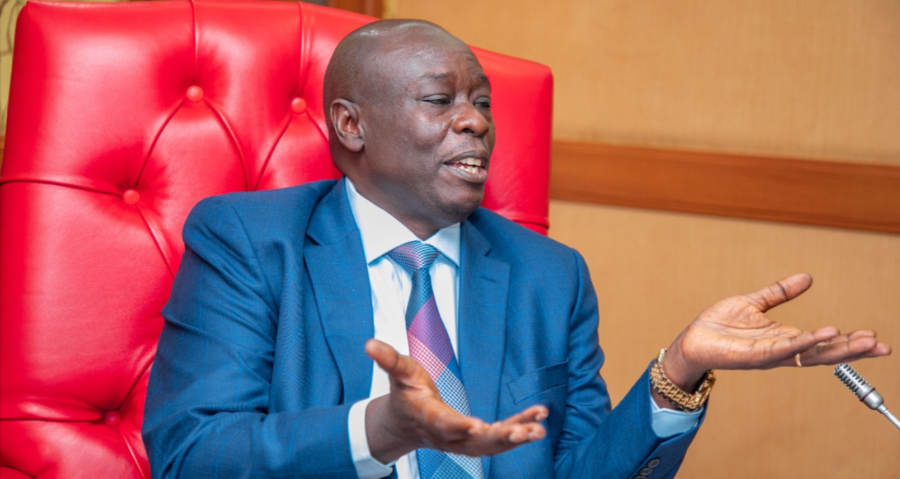
Political analysts and constitutional experts have weighed in on the ongoing debate surrounding the potential reinstatement of Deputy President Rigathi Gachagua following his recent impeachment motion.
Citing various chapters of the Constitution of Kenya, they argue that significant legal hurdles make reinstatement improbable.
Constitutional Framework
According to Article 152 of the Constitution, the Deputy President serves a term alongside the President and can only be removed through impeachment, a process that has already been initiated against Gachagua.
The grounds for impeachment are explicitly outlined in Article 145, which includes gross violation of the Constitution or any other law, abuse of office, and misconduct.

Analysts point out that the ongoing proceedings against Gachagua appear to meet these criteria, as allegations of misconduct have surfaced in recent months.
“Once the impeachment process is initiated, it is binding, and unless there are grounds to nullify it, reinstating the Deputy President would be against the spirit of the Constitution,” says Jane Mwangi, a constitutional law expert.
Separation of Powers
Additionally, Article 1 of the Constitution emphasizes the doctrine of separation of powers, which provides that the legislative, executive, and judicial branches of government should operate independently.
Analysts argue that reinstating Gachagua could undermine this principle, as it would disrupt the parliamentary process currently evaluating the impeachment motion.

“Allowing for reinstatement would set a dangerous precedent, signaling that elected officials can circumvent accountability mechanisms,” warns political analyst James Kariuki.
Public Confidence and Governance
Moreover, Article 73 highlights the principles of leadership and integrity, stating that public officers must demonstrate selfless service and accountability to the people.
Gachagua’s potential reinstatement could be viewed as a failure to uphold these principles, eroding public trust in the government.
“Public confidence in leadership is paramount, and reinstating a leader under such circumstances sends the wrong message to Kenyans about accountability and governance,” notes Sarah Otieno, a political scientist and governance expert.

Political Implications
The political landscape is also a factor to consider.
If Gachagua were to be reinstated, it could lead to further divisions within the ruling coalition, destabilizing the government and undermining its ability to function effectively.
Analysts suggest that such a scenario could be detrimental to the President’s agenda.
“As much as political dynamics play a role, the legal framework must guide our actions. Reinstating Gachagua could lead to a constitutional crisis that the country cannot afford,” argues political strategist Felix Ndung’u.
While some may advocate for Gachagua’s reinstatement based on political alliances, the constitutional provisions and principles of governance suggest that such a move would be fraught with legal and ethical challenges.
With the impeachment process underway, it remains to be seen how the political landscape will evolve, but the voices of analysts and the Constitution provide a clear perspective on the complexities of this issue.