The Ethics and Anti-Corruption Commission (EACC) has secured a court order to recover assets worth KSh207.7 million from a former Trans-Nzoia County accountant over unexplained wealth.
The order was issued by the Anti-Corruption and Economic Crimes Court in a judgment delivered on October 8, 2026, after Justice Rose Ougo found that Andrew Biketi Musuya had failed to satisfactorily explain the source of his wealth compared with his known legitimate income.
Musuya previously worked as an accountant at the Ministry of Public Health and Sanitation before serving as a principal accountant at the Trans-Nzoia County Government.
According to the EACC, investigations established that he accumulated assets worth approximately KSh289.9 million between January 2013 and October 2018.
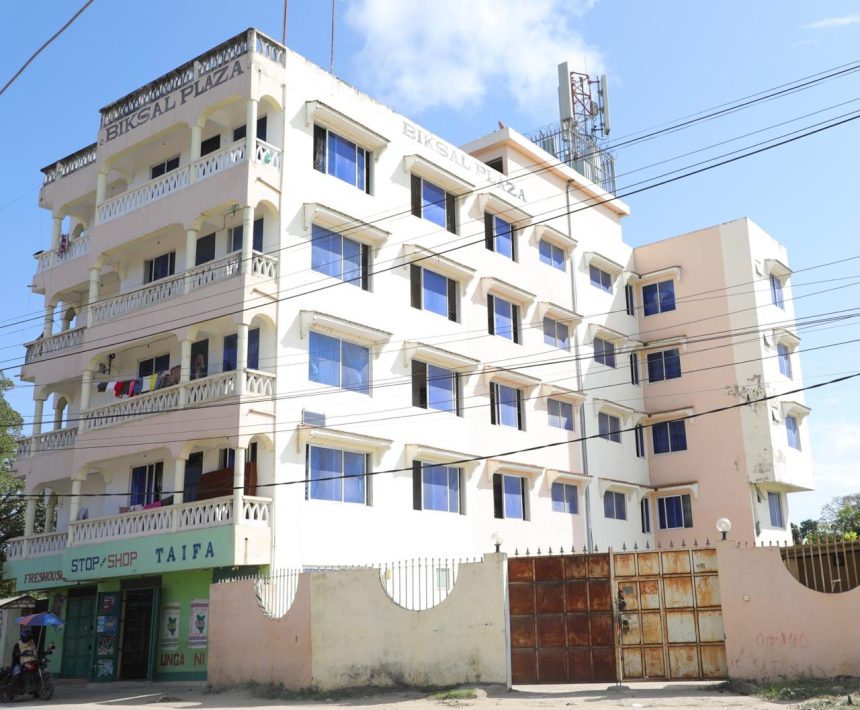
The assets ordered forfeited to the government include two five-storey apartment blocks and a five-bedroom townhouse in Mtwapa, Kilifi County.
The court also ordered the forfeiture of seven undeveloped parcels of land in Mombasa and Bungoma counties, alongside bank and M-Pesa deposits totalling KSh53.5 million.
Two motor vehicles valued at KSh4 million were also included in the recovery order.
The commission said the properties were valued at approximately KSh150.2 million, bringing the total value of the assets covered by the order to KSh207,741,928.
EACC had initially sought to recover KSh284.1 million in assets it considered disproportionate to Musuya’s known legitimate sources of income.
During the court proceedings, Musuya reportedly attributed his wealth to income from a club, maize farming, loans, consultancy work and rental properties.
However, the court found that the explanations did not sufficiently account for the assets under investigation.
In its assessment of the business income presented, the court noted that the figures cited from the club represented gross sales rather than net earnings. It also found that the money allegedly earned from maize farming had not been adequately linked to the purchase of the disputed assets.
The explanations involving loans and consultancy work were also found insufficient to establish the legitimate source of the wealth.
The commission pursued the case under Section 55 of the Anti-Corruption and Economic Crimes Act, which provides a legal avenue for recovering unexplained assets through civil proceedings.
The provision allows the commission to seek forfeiture where a person’s assets are found to be disproportionate to their known legitimate income and the disparity is not satisfactorily explained.
The latest recovery adds to EACC’s efforts to trace and recover assets suspected of being acquired through unexplained wealth.
The commission has maintained that recovering such assets is part of its mandate to protect public resources and promote accountability among public officers.
The forfeiture order means the assets covered by the judgment are to be surrendered to the State in accordance with the court’s directions.