By:Shiru Kinyua
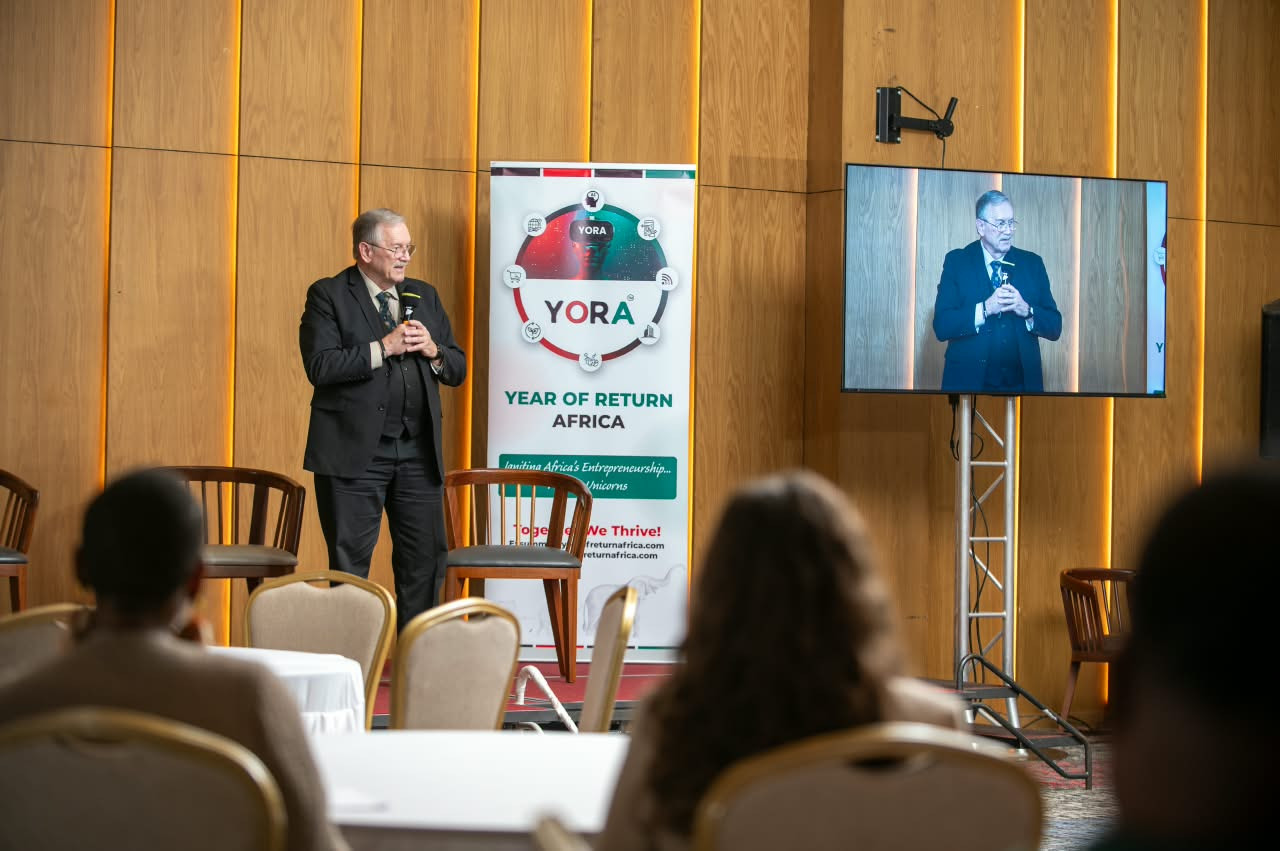
Africa’s ability to turn entrepreneurial talent into sustainable businesses will depend increasingly on access to capital, markets and technology, a challenge that Year of Return Africa (YORA) is seeking to address through its investment and enterprise development initiatives.
The initiative brings together entrepreneurs, investors, policymakers and industry players to explore business opportunities across technology, finance, agriculture, real estate, creative industries and the blue economy, with a focus on strengthening commercial links between Africa and the diaspora.
Its approach reflects a persistent challenge facing many African businesses: developing a viable product or service is only the beginning. Entrepreneurs must also secure financing, establish market access, build distribution networks and navigate regulatory environments if they are to grow beyond their initial customer base.

For startups and small and medium-sized enterprises, these barriers can limit expansion even where demand for their products exists. Connecting businesses with investors and strategic partners is therefore an important part of building a stronger entrepreneurial ecosystem.
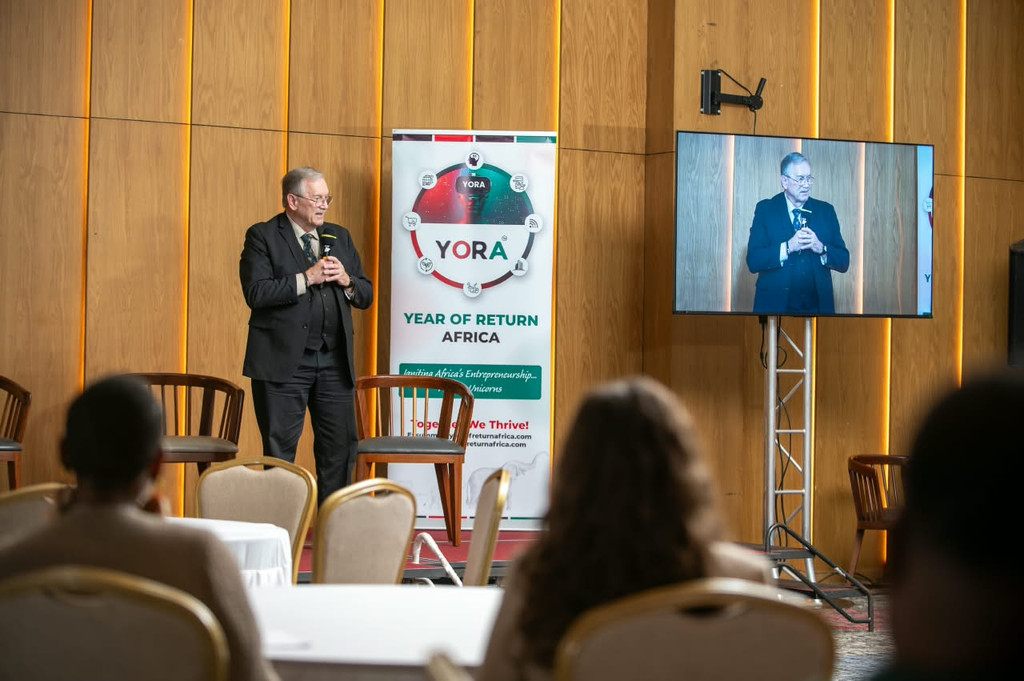
YORA’s investor deal room and startup showcase are designed to facilitate these connections by providing opportunities for businesses to present their ventures and engage with potential financiers, corporate partners and other stakeholders. The platform covers sectors ranging from artificial intelligence and financial technology to creative production, sustainable agriculture, renewable energy and property development.
The wider ambition is to link business ideas with the resources required to commercialise them. However, the effectiveness of such initiatives will ultimately depend on whether the relationships established lead to investment, new markets, job creation and enterprises capable of sustaining growth.
Technology is another area in which YORA is seeking to encourage investment and collaboration. Its programme addresses artificial intelligence, cybersecurity, robotics and digital infrastructure, alongside discussions on technology diplomacy and Africa’s position in the global digital economy.
As businesses increasingly depend on digital systems, the ability to develop relevant skills, protect data and adopt emerging technologies is becoming an important consideration for competitiveness. For African economies, the opportunity extends beyond consuming imported technology to developing local expertise and building businesses that can compete in regional and international markets.
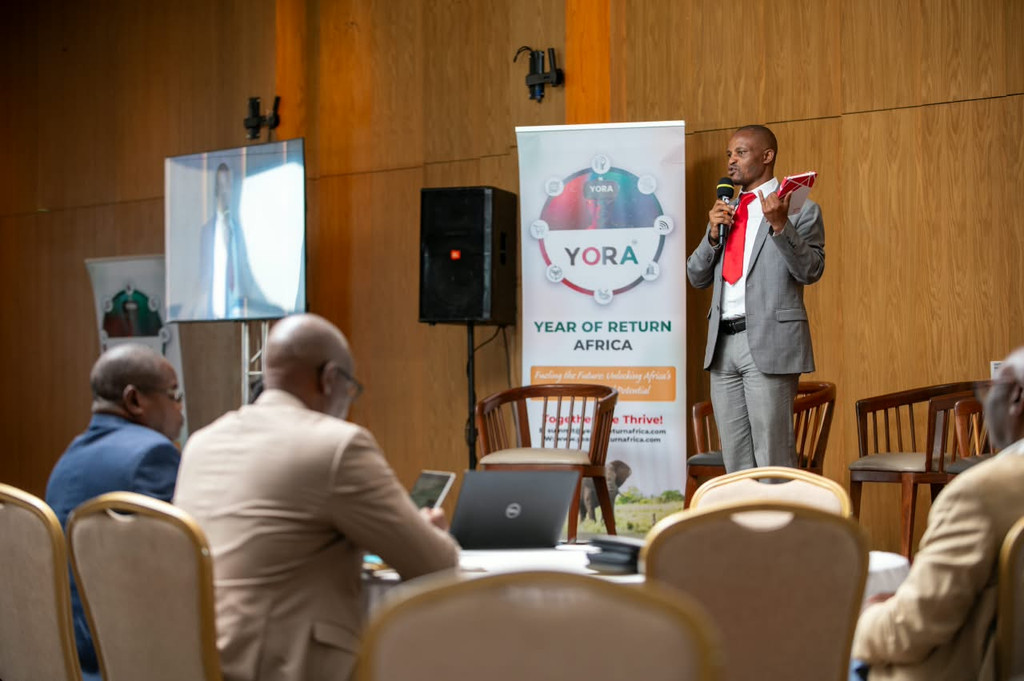
The initiative has also placed the creative economy among its priority areas, bringing film, media, sports and entertainment into the wider discussion on entrepreneurship. Although African creative talent has attracted international attention, turning that visibility into sustainable commercial returns requires investment in production, distribution, intellectual property and business management.
By connecting creative professionals with investors and commercial partners, YORA aims to strengthen the business infrastructure supporting these industries. Its programme also incorporates sports diplomacy, reflecting the potential for sporting partnerships to open commercial opportunities and strengthen international relationships.
The investment conversation extends to coastal economies, where tourism, infrastructure and the blue economy present opportunities for businesses and communities. YORA’s Kilifi programme includes a business-to-business forum focused on coastal investment and partnerships, alongside activities at Vipingo Ridge.

Such opportunities require careful attention to sustainability, infrastructure and the needs of communities whose livelihoods depend on coastal resources. Investment that delivers lasting economic value must be supported by responsible planning and partnerships capable of translating commercial activity into broader local benefits.
YORA’s emphasis on Africa-diaspora engagement adds another dimension to its approach. Beyond cultural connections, the relationship offers opportunities for investment, knowledge exchange, trade and collaboration between African businesses and international networks.
The challenge is to turn that interest into sustained participation through credible ventures, transparent investment processes and partnerships that continue beyond individual events.
Ultimately, Africa’s entrepreneurial prospects will depend not simply on the number of startups established or the ideas generated, but on how many businesses can secure the resources, customers and expertise needed to survive and expand.
For initiatives such as YORA, the measure of success will be the extent to which convening entrepreneurs, investors and policymakers produces tangible commercial outcomes. Connecting these groups is an important starting point; ensuring that the connections translate into viable businesses and sustainable economic growth is the more consequential task.