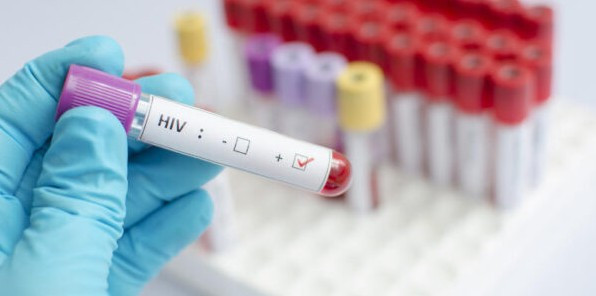
Kenya has been selected as one of three African countries that will manufacture alimatravir, a new monthly HIV prevention pill, in a development expected to give African pharmaceutical manufacturers a role in producing the medicine from the early stages of its licensing.
The drug will be manufactured by Universal Corporation under a royalty-free licence covering 129 low- and middle-income countries.
Production is expected to begin if ongoing clinical trials confirm that alimatravir is effective in preventing HIV.
Medical Services Principal Secretary Ouma Oluga welcomed the development, saying it marked progress towards local production of medicines.
“Very pleased to have brought this achievement home from the just concluded UNGA 81 making local manufacturing of drugs no longer a talk but a reality,” Oluga said.
Pharmaceutical company Merck announced on Friday that it would license seven generic drugmakers to produce a low-cost version of the monthly HIV prevention pill. One of the manufacturers selected is based in Kenya.
The arrangement is aimed at making the medicine available in developing countries faster if clinical trials expected to report next year confirm that alimatravir can effectively prevent HIV.
HIV prevention pill being tested in Kenya
The late-stage clinical trial for alimatravir began last year and is being conducted by the Kenya Medical Research Institute (KEMRI) among young women in Kenya, Uganda and South Africa.
This means the clinical evidence for the medicine is being generated in the same region where it is expected to be used.
Merck has also committed to producing a bridge supply of the medicine for the 129 countries covered by the licensing agreement.
The supply will be sold at no profit and is intended to create stockpiles that can be distributed if the clinical trial results confirm the drug’s effectiveness.
The arrangement is meant to avoid delays that could arise while generic manufacturers establish production and supply chains.
Ruto backs local pharmaceutical manufacturing
President William Ruto said the agreement would help give Africa a bigger role in the testing, production and distribution of new health products.
His remarks were read by Health Cabinet Secretary Aden Duale during a UN General Assembly high-level side event.
“Africa carries about a quarter of the world’s disease burden. We make less than 6 per cent of our medical supplies. We make about 1 per cent of the vaccines we use. We saw what that means during COVID-19,” Ruto said.
He added that Africa had previously faced delays and higher costs because it depended heavily on pharmaceutical imports.
“Africa waited longer. Paid more. Received less. Our people paid the price for a supply chain we did not own. We will not go through that again,” he said.
Ruto said the new arrangement would allow African countries to participate in testing, manufacturing and delivering new health products instead of remaining at the end of the supply chain.
“Think about what that means. Africa helping to test the innovation. Africa is preparing to make it. Africa is ready to deliver it. Not standing at the end of the line waiting to buy it. For decades, our continent has carried the heaviest share of the HIV burden. Now we have a chance to help produce one of the newest tools to prevent it. That is justice,” he said.
The remarks were made during a forum dubbed Roadmap to Self-Reliance: What’s Needed for Sustainable Pharmaceutical Manufacturing in Africa.
Funding to support alimatravir production
The Bill and Melinda Gates Foundation has committed $100 million towards the late-stage trial and plans to invest another $80 million to support further testing and help take the medicine to market.
Unitaid is supporting the manufacturing component of the agreement through investments in infrastructure and supply chain security.
It is also providing technical support and funding to the three African manufacturing facilities involved in the arrangement to help address production capacity.
The US International Development Finance Corporation is also among the partners supporting the initiative, including efforts to mobilise private capital in emerging markets.
Dr Priya Agrawal, who represented Merck at the UNGA side event, said alimatravir was developed in response to needs raised by the HIV community.
“This is not just about alimatravir. This is about strengthening African research and manufacturing, supporting skilled jobs and local private businesses, expanding regional trade and the journey from innovation to impact,” Agrawal said.