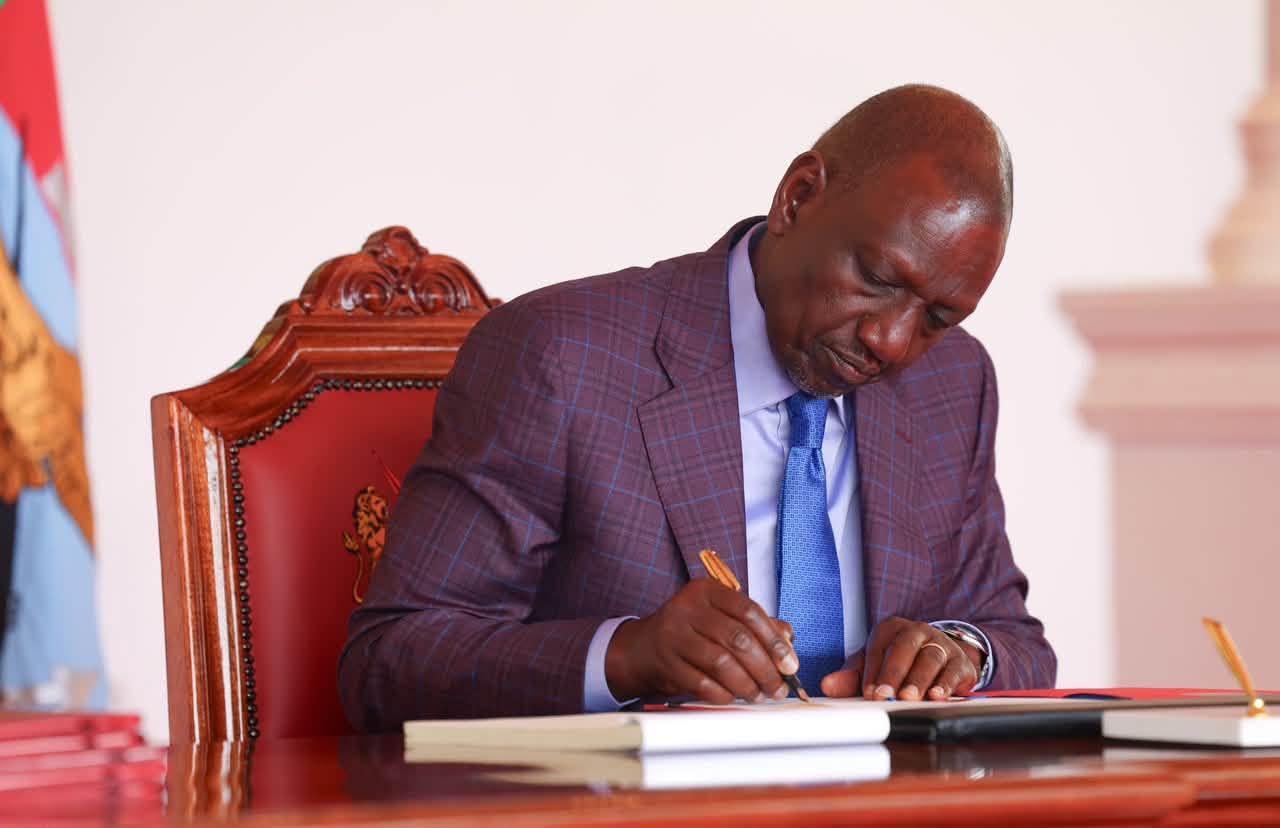
President William Ruto’s decision to raise concerns about foreigners operating in small businesses has sparked debate, but the concerns of Kenyan traders should not be ignored.
For many Kenyans, small businesses are their only source of income. A kiosk, market stall, small shop or hawking business can be the difference between putting food on the table and going without. It can also pay school fees, rent and other basic household expenses.
This is why the government needs to take the concerns of these traders seriously.
Ruto’s argument is not that Kenya should shut its doors to foreigners. Kenya has always welcomed people from other countries, and foreign businesses and investors have an important role to play in the economy. The country needs investment, jobs, skills and new markets.
The concern is where foreign nationals enter small-scale businesses and compete directly with Kenyans who depend on those businesses to survive.
There should be a clear distinction between foreign investment and small businesses that can be run by local traders. Kenya can welcome serious investors while also ensuring that its own citizens have room to build and grow their businesses.
The government’s clarification after the President’s remarks is also important. Foreign Affairs Principal Secretary Korir Sing’oei said foreign traders and employees who have the required documentation remain protected under Kenyan law.
Trade Cabinet Secretary Lee Kinyanjui has similarly explained that visa-free entry into Kenya does not automatically give a foreign national the right to work, trade or operate a business.
That should be the basis of the discussion.
Anyone doing business in Kenya should follow the law, regardless of nationality. Those with the required permits and licences should be allowed to operate, while those operating outside the law should face the appropriate action.
At the same time, enforcement must be handled carefully. Protecting Kenyan traders should never become an excuse for harassment or discrimination against foreigners who are legally doing business in the country.
The bigger question is whether the ordinary Kenyan trader is getting a fair chance.
A young Kenyan who borrows money or uses their savings to open a small shop should not feel that they cannot compete in their own market. The government has a responsibility to create an environment where such businesses can survive and grow.
Ruto is therefore right to put the issue on the table. The challenge now is to ensure that the government turns the concern into fair and consistent enforcement.
Kenya does not have to choose between welcoming foreigners and protecting its citizens. It can do both.
What Kenyans are asking for is a level playing field, where everyone who wants to work or do business in the country plays by the same rules.