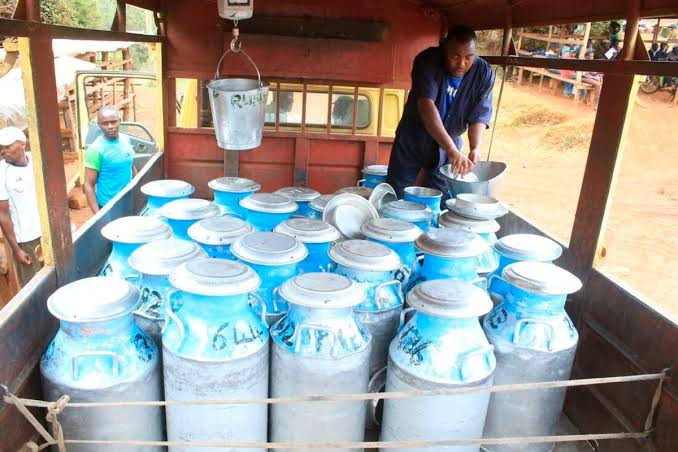
The Consumers Federation of Kenya (COFEK) has given the government seven days to act on falling milk supplies, warning that consumers could soon pay more if the shortage continues.
COFEK said milk intake by formal processors dropped by five per cent between May and June 2026, according to data from the Kenya National Bureau of Statistics (KNBS).
Formal-sector milk intake fell from 88.89 million litres in May to 84.44 million litres in June. The June figure was also 6.4 per cent lower than the 90.24 million litres recorded during the same month last year.
The federation said the drop in supply was already being felt by consumers, particularly in Nairobi, where some retailers had started limiting the amount of milk customers could buy.
COFEK also reported that the price of fresh milk at some outlets had increased from Ksh70 to Ksh80 per litre.
“There has been an irregular scarcity of branded packaged milk in supermarkets,” said COFEK, citing possible price hikes should the problem continue.
The organization blamed the fall in milk production to the challenges that have been encountered by small scale dairy producers who produce around 80 percent of the nation’s milk.
COFEK cited the fact that some farmers have observed a drop in the volume of milk production by their cows to a range of four to five liters from seven to nine liters per day.
This problem has been compounded by the fact that the rainfall season has been delayed while the cost of commercial animal feeds has risen by around 45 percent.
COFEK cited the possibility that rising production costs might force many farmers to leave dairy farming.
What COFEK wants from government
The consumer lobby wants the Ministry of Agriculture to publish a clear milk recovery plan within seven days.
The plan, it said, should include monthly targets for milk intake and measures to support farmers facing feed shortages.
COFEK has also called for emergency fodder and feed subsidies in counties affected by the decline in milk production.
The federation wants the Kenya Dairy Board to explain what happened to the milk surplus recorded in 2025 and disclose the amount of milk powder currently held in reserves.
It is also pushing for the government to establish a permanent system for buying surplus milk from farmers and maintaining strategic reserves that can be used when production falls.
COFEK further wants the National Treasury to remove import duty and VAT on yellow maize, soya and other major dairy-feed ingredients.
The move, according to the federation, would help lower the cost of feeds and ease the pressure on dairy farmers.
The latest warning comes months after Agriculture Cabinet Secretary Mutahi Kagwe raised concerns over the sale of unregulated raw milk and urged consumers to buy milk that has been tested and can be traced.
COFEK is also calling for closer monitoring of milk prices, together with regular public updates on milk intake, prices and the country’s milk reserves.
The federation warned that it could take further advocacy and legal action if the government fails to address its concerns within the seven-day deadline.