Kenya and the United Kingdom are seeking to strengthen their long-standing health partnership as the government accelerates reforms aimed at achieving Universal Health Coverage (UHC) under the Taifa Care programme.
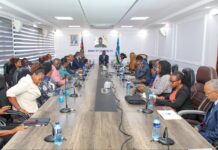
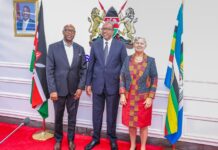
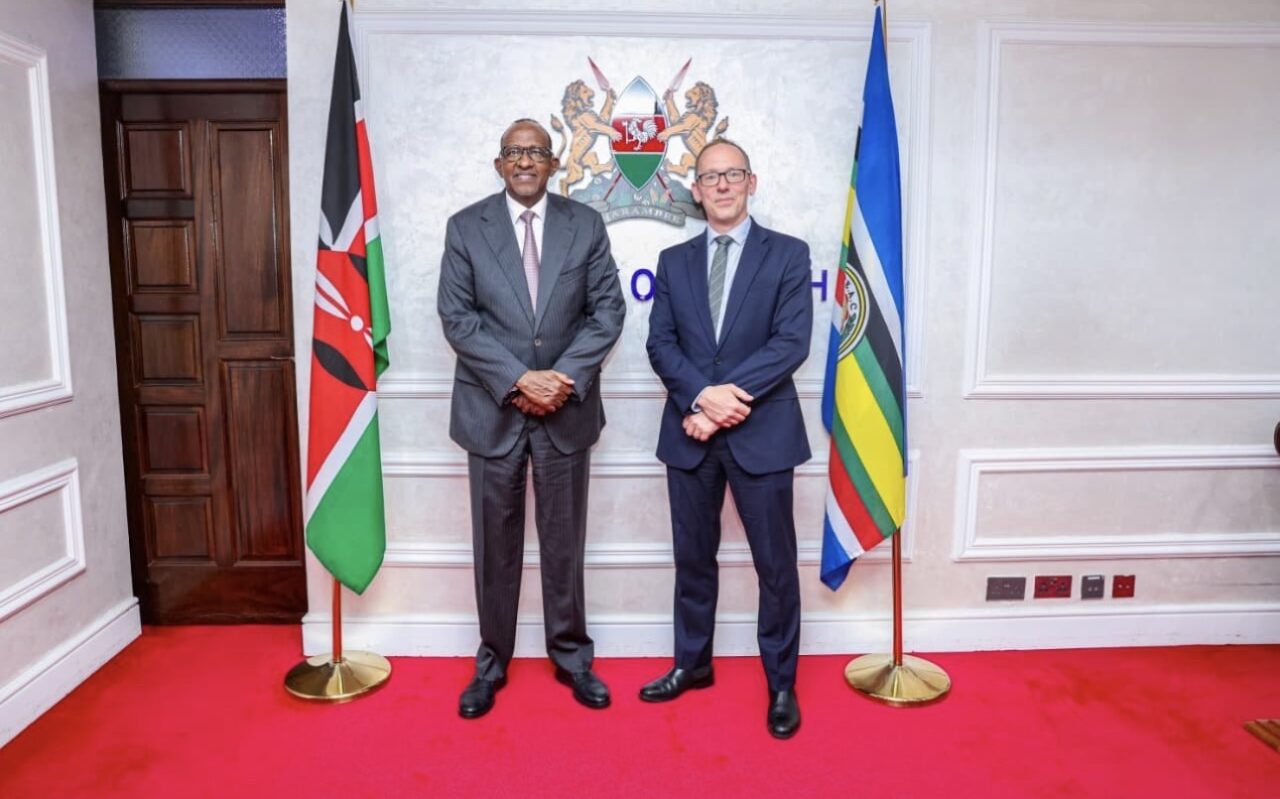
Health Cabinet Secretary Aden Duale on Monday held talks with British High Commissioner to Kenya Matt Baugh during a meeting that focused on expanding cooperation in healthcare financing, workforce development, digital health and disease preparedness.
The discussions come as the Ministry of Health rolls out a series of reforms under the Bottom-Up Economic Transformation Agenda (BETA), including the operationalisation of the Social Health Authority (SHA), expansion of primary healthcare services and the implementation of a national digital health ecosystem.
According to Duale, the meeting provided an opportunity to update the UK delegation on the progress of the ongoing reforms, which are aimed at making quality and affordable healthcare more accessible to Kenyans.
“We discussed the health sector reforms under Taifa Care, including the rollout of the Social Health Authority, strengthening primary healthcare, digital health transformation, health financing reforms and investments in health infrastructure,” the CS said.
The two sides also reviewed progress made under the Kenya–United Kingdom Health Workforce Partnership, with discussions centring on ways to address the country’s shortage of specialised healthcare professionals.
Among the proposals explored were expanded specialist training programmes, scholarships, fellowships, institutional partnerships and leadership development initiatives to strengthen Kenya’s health workforce.
Health Security was also another important agenda during the meeting, as the Kenyan and UK representatives were deliberating on the close cooperation in epidemics, laboratories, genomic surveillance, and emergencies.
Training, mentorship, and digital health technologies to address maternal and neonatal mortality rates were also some of the topics which the meeting discussed.
Given the increased usage of technology by Kenya in the health sector, both the countries deliberated on the possibilities of collaborations in Artificial Intelligence, electronic medical record keeping, cyber security, data governance, and climate resilient health infrastructure.
Duale was grateful for the continued support by the United Kingdom in the healthcare sector of Kenya through research and global health programs, noting that the partnership had played an important role in developing healthcare systems over the years.
He also extended an invitation to the British High Commissioner to attend the launch of Kenya’s National Ambulance Dispatch Centre, scheduled to take place in the coming month.
Also present at the engagement were Deputy British High Commissioner Diana Dalton, Director General for Health Dr Patrick Amoth and other ministry officials.
The discussion comes at a time when Kenya continues to engage international partners as it works towards implementing reforms to enhance the efficiency and access of its health care system.