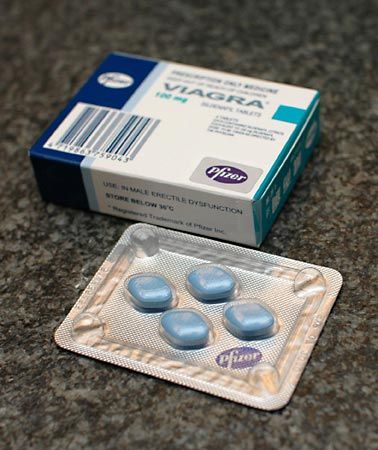
A petition seeking to have certain sexual dysfunction conditions recognised as disabilities has been formally presented to Parliament, setting the stage for what is expected to be a sensitive but far-reaching national debate on sexual health and access to treatment.
The petition, submitted to the Senate Office of the Clerk on Wednesday, July 15, was filed by senior veterinary doctor and law student Dr Benson Kibore. It calls for persistent low libido in men and Hypoactive Sexual Desire Disorder (HSDD) in women, where medically diagnosed, to be recognised under Kenya’s disability framework.
Conditions such as these, according to Dr Kibore, could have a major influence on one’s psychological well-being and relationships. They need to be recognized legally and given health care service access in case clinical evidence supports their diagnosis.
As stated in the petition, persistent lack of interest in sexual matters goes beyond just being an issue in relation to personal and relationship life. The consequences of un-treated sexual dysfunction could lead to mental and psychological disturbances as well as problems with leading a normal life.
The petitioner further states that sexual dysfunction, if left untreated, could become a factor in causing family disputes, marital dissatisfaction, destabilization of the family structure, and emotional stress among the children.
Dr Kibore further notes that cultural stigma and societal taboos surrounding sexual health often discourage affected individuals from seeking professional help. As a result, many turn to unregulated sexual enhancement products instead of receiving proper diagnosis and treatment.
These observations come several months after the Health Ministry of Kenya raised concerns regarding the increasing misuse of erectile dysfunction medication among the young population of the country.
Among other recommendations made by the petitioner, there is a request for the Parliament to revise the Persons with Disabilities Act, 2025, and provide qualifications to sexual dysfunctions causing permanent disability.
Further, the petition calls for amendment of the Social Health Insurance Act to ensure that examination, diagnosis, counseling, and treatment of qualifying sexual dysfunctions of eligible individuals be covered by SHA benefits package.
Additionally, the petition calls for the lawmakers to ask the Ministry of Health to come up with national clinical guidelines for screening, diagnosis, treatment, and rehabilitation of individuals living with qualifying sexual dysfunctions.
Apart from the amendments of laws and policies, Dr. Kibore is calling for increased funding of research and formulation of National Sexual Health Policy to enhance preventive measures, treatment services, and educate people on matters sexual health.
Senate will now consider the petition before deciding on the way forward in terms of legal and policy reform proposals. The result might influence future debates on disability definition in Kenya and healthcare provisions for such conditions that have been out of the country’s disability framework.