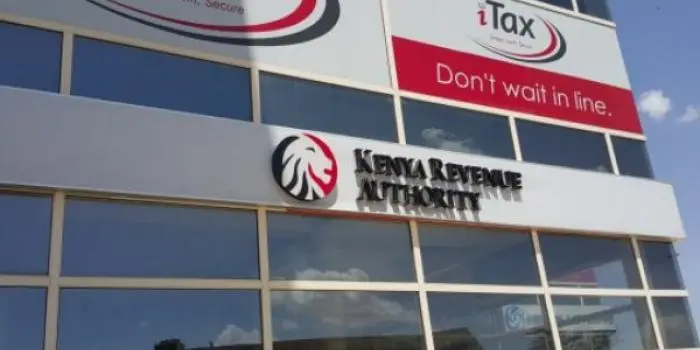
As Kenyans pore over the Finance Bill 2026 looking for new taxes, one of the government’s biggest bets is not on introducing fresh levies but on using technology to improve tax compliance.
The Bill contains proposals aimed at strengthening digital tax administration, a move Treasury believes could help the Kenya Revenue Authority (KRA) collect more revenue while making compliance easier for businesses and taxpayers.
The government’s argument is simple: before asking Kenyans to pay more taxes, it wants to ensure those already due are collected efficiently.
Treasury Cabinet Secretary John Mbadi has consistently maintained that Kenya’s tax problem is not necessarily low tax rates but poor compliance.
“The issue is not increasing taxes. The issue is making sure everybody who is supposed to pay tax pays tax,” Mbadi said while defending the Finance Bill 2026.
The proposed changes build on existing digital platforms such as iTax and the Electronic Tax Invoice Management System (eTIMS), which KRA has been rolling out in recent years to improve transparency and reduce tax leakages.
According to KRA, eTIMS was introduced to enable taxpayers to generate, transmit and store electronic invoices in real time, allowing the authority to verify transactions more efficiently and curb tax fraud.
KRA Commissioner General Humphrey Wattanga has previously defended the agency’s digital transformation drive, saying technology is critical in modernising revenue collection and improving compliance.
“We are leveraging technology to enhance tax compliance and improve service delivery to taxpayers,” Wattanga said during a recent tax administration forum.
The government believes increased use of technology could reduce paperwork, minimise human error and make it easier for businesses to file returns and keep records.
The move also comes as Treasury seeks to avoid a repeat of the backlash that greeted the Finance Bill 2024, which sparked nationwide protests over proposed tax increases.
Unlike the 2024 Bill, much of the government’s messaging around the Finance Bill 2026 has focused on broadening the tax base, sealing loopholes and improving compliance rather than imposing major new taxes.
Supporters of the approach argue that a smarter tax system could help raise billions of shillings in revenue without placing additional pressure on already strained households.
If Parliament approves the proposals, Treasury hopes technology will help deliver what tax hikes alone have struggled to achieve — higher revenue collection, better compliance and a more efficient tax system.
For the government, the future of tax collection may not lie in introducing new taxes but in ensuring technology helps collect those that already exist.