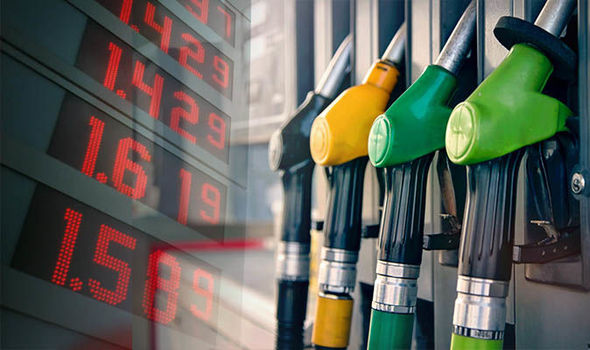
The Energy and Petroleum Regulatory Authority (EPRA) has revised fuel prices in a dramatic move that will see diesel prices drop sharply while kerosene records one of the steepest increases in recent months, following pressure from public transport operators.
In the new review effective from May 19 to June 14, diesel prices in Nairobi will decrease by KSh10.06 per litre, while kerosene will rise by KSh38.60 per litre. Super petrol prices will remain unchanged.
Under the revised prices, motorists in Nairobi will now buy diesel at KSh232.86 per litre, kerosene at KSh191.38, while super petrol remains at KSh214.25.
EPRA said the changes followed a petition from public transport sector operators who raised concerns over the huge price gap between diesel and kerosene, warning that it could fuel widespread adulteration of diesel with kerosene.
The latest adjustment comes after matatu operators threatened industrial action over rising fuel costs, arguing that expensive diesel was hurting operations and pushing transport costs higher.
By lowering diesel prices, the regulator appears to have responded directly to pressure from the PSV sector, which had warned of fare hikes and possible disruptions if fuel costs remained high.
However, the move has now shifted the burden to kerosene users, a product heavily relied upon by low-income households for cooking and lighting.
The sharp increase in kerosene prices is likely to spark fresh debate, with critics expected to argue that ordinary households are once again bearing the cost of stabilising the transport sector.
According to EPRA’s pricing breakdown, an anti-adulteration levy of KSh18 per litre was introduced on kerosene as part of efforts to discourage fuel mixing practices.
The regulator also indicated that the decision was aimed at minimising risks linked to fuel adulteration, which has become a growing concern whenever large price differences emerge between petroleum products.
The review highlights the delicate balancing act facing the government as global oil market volatility continues to affect local fuel pricing.
Kenya has in recent weeks experienced mounting pressure from transport operators and consumers amid fears that international tensions, including instability in the Middle East, could push fuel prices even higher.
The latest changes now set the stage for renewed debate over whether the government is protecting consumers equally or merely shifting pressure from one group to another.