Kenya has launched a new programme aimed at improving how the country raises and manages money for protecting nature and wildlife.
The programme, known as the Biodiversity Finance Initiative (BIOFIN), is expected to help deal with long-standing funding gaps in conservation and support efforts to build a more nature-friendly economy.
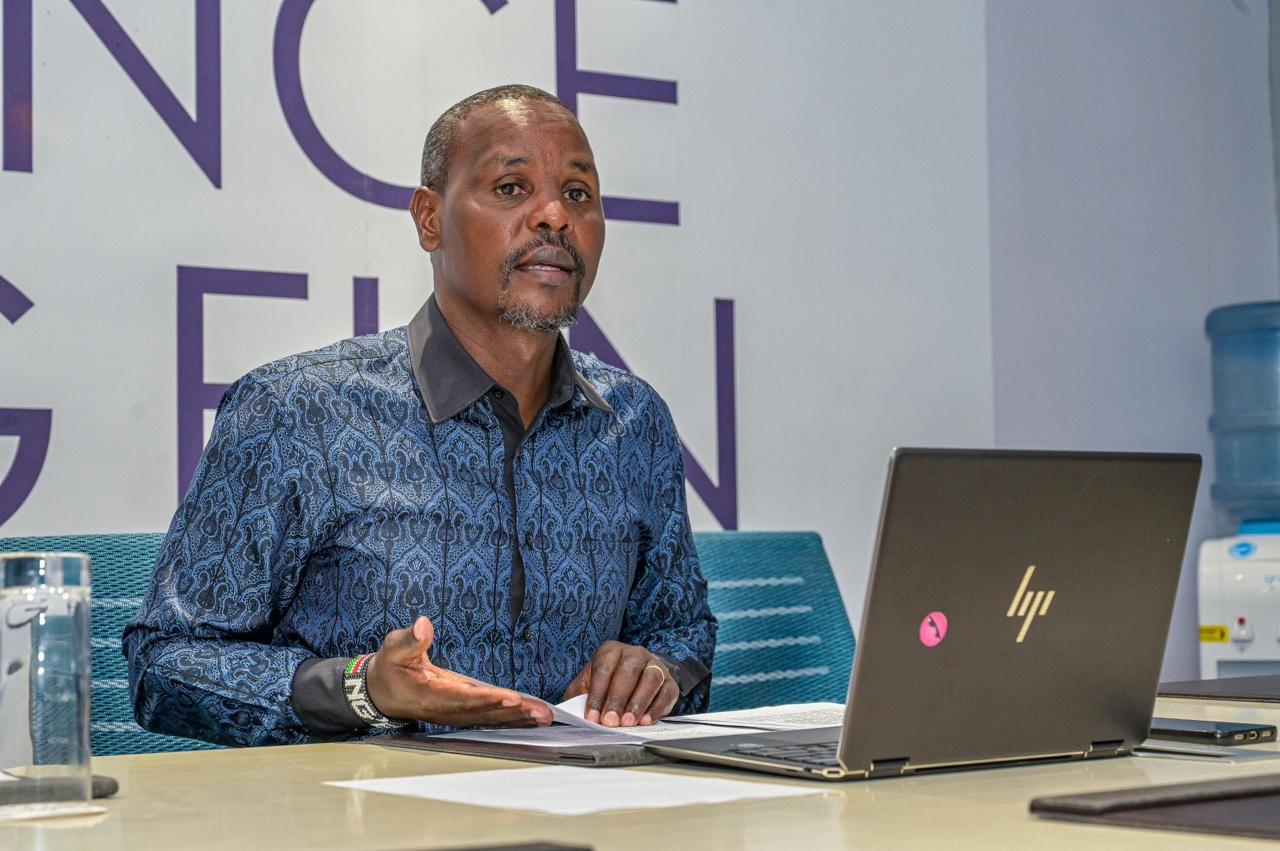
The launch was done virtually and led by the Principal Secretary for Environment and Climate Change, Festus K. Ng’eno.
Ng’eno said the project will enable Kenya to measure how many resources are used to conserve biodiversity and assess additional needs for financing.
The forum was attended by representatives of various stakeholders from the UNDP, Kenya Bankers Association, WWF Kenya, governmental institutions, business corporations, and non-governmental organizations.
PS Ng’eno emphasized that the natural resources of the state contribute significantly to agricultural, tourism, fishing, forestry and water supply industries and provide livelihoods for millions of residents.
Moreover, Ng’eno said that the natural wealth of Kenya experiences certain threats associated with climatic changes, pollution, deterioration of soil quality, and excessive use of natural resources.
The technical assessment and consultations with the involved parties make up the implementation stage of the BIOFIN process. The program will track expenses associated with biodiversity, establish the financial gap, and develop a financing strategy for conservation.
The program will ensure the integration of conservation efforts into the planning and budgeting procedures at the national level.
The program is part of international agreements, such as the Convention on Biological Diversity and the Kunming-Montreal Global Biodiversity Framework.
Among the new sources of financing during the launch, according to Dr. Ng’eno, are innovative financial instruments like green bonds, blended finance, and biodiversity credits. This can attract financing from the private sector.
According to him, investing in biodiversity means investing in economic growth, climate resilience, and the future of the country.
It is also expected that the National Treasury, among other sectors, should be involved to make sure that biodiversity financing is integrated into the economic strategy of the country.
This event signals the start of BIOFIN Kenya, with the ultimate objective to discover more sustainable ways to finance conservation in the face of increasing environmental challenges.