President William Ruto has outlined several measures to better the lives of the minority and marginalised communities in Kenya in relation to education, healthcare, infrastructure, justice and culture.
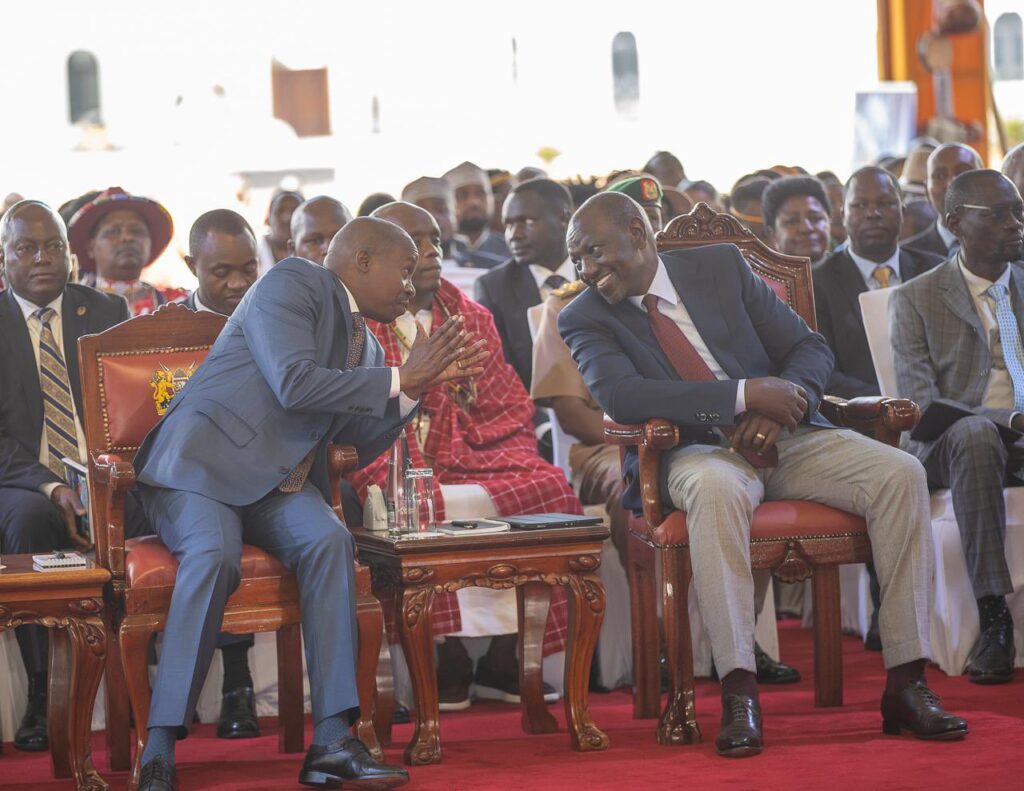
Speaking to about 5,000 leaders and members of minorities, indigenous and marginalised groups at State House while marking the UN International Day for Minorities, President Ruto highlighted the following steps aimed at ensuring that issues of both poverty, exclusion and historical injustices do not impede the growth of some of the country’s most vulnerable populations.
Education and Scholarships
At the heart of the programme is the setting up of a National Minority Scholarship Programme worth KSh 500 million that is geared at providing assistance for children of indigent parents to pursue secondary and higher education.
In addition to this, the Ministry of Education shall contribute KSh 200 million every year to build and upgrade schools as well as mid-level colleges in minority and marginalized regions.
Additionally, school meals and food assistance for marginalized families shall be provided with equal dedication by the State Department for Special Programs.

Healthcare and Social Protection
The government will also pay Social Health Authority (SHA) contributions on behalf of the 200,000 at-risk individuals from minority groups to ensure that they have access to quality healthcare at an affordable price.
Additionally, the State Department for Social Protection has been instructed to immediately register the beneficiary families into the available cash transfers.
Infrastructure and Public Services
The programme places emphasis on the minority and marginalized areas in the supply of clean water, road networking, and the establishment of health facilities.
The Equalisation Fund, along with the involved ministries such as water, roads, and health, has been charged with the task of serving the mentioned areas.
Cultural Preservation and Climate Change
President Ruto also focused on the protection of cultural heritage and indigenous knowledge.
Holy sites shall now receive protection, endangered languages shall now be revitalized, and indigenous histories shall now feature in the national curriculum.
It is well understood that such communities are hit hardest by climate change, and accordingly, 30% of climate funds shall go to such projects initiated by the community, including protecting pastorialism migration corridors.
Justice, Security, and Governance
The President mandated the upgrading of the Minorities and Marginalised Affairs Unit to a semi-autonomous entity and the creation of the Minorities and Marginalised Communities Directorate at the Executive Office of the President.
The two entities will make sure that the interests of the minority groups are well represented.
Access to justice will be increased through mobile courts and legal aid desks in the region, whereas training on minority rights will be carried out among justice sector stakeholders.
Hiring of security personnel from the local community and a push towards disarmament are also involved in this plan.

Land, Representation, and Inclusion
The new Constitution has provisions that will be addressed to fast track community land title issuance, execution of decisions on historical land injustices, including in the case of Ogiek people, and to consider free consent on projects on community land.
Another provision in the new Constitution includes altering election laws to ensure genuine nominations to Parliament and county governments through Article 100.
Special assistance to vulnerable sections, women, the youth, the disabled, the aged, and the minors belonging to minority groups will benefit from targeted social protection responses, disability-focused infrastructure development, and the promotion of the prevention of gender-based violence.
The governors have been called upon to put up County Minority Inclusion Units to integrate these guidelines into the next CIDPs.
The initiative taken by the President is a major move towards bridging the years of marginalization and taking the minority groups forward in economic, social, and cultural development.
Reviewed by Jack M.