By;Emmanuel Kyengo
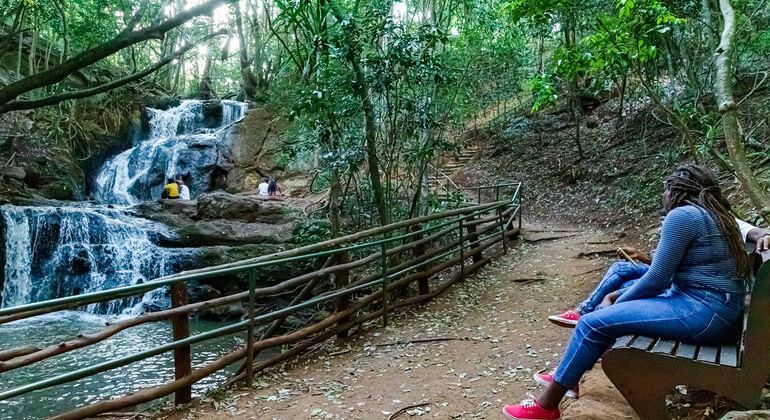
Karura Forest, one of Nairobi’s most popular natural parks, continues to attract both local and international tourists seeking peace, clean air, and outdoor recreation.
However, recent changes in management and rising costs have sparked growing concern among visitors, who say the overall experience at the forest is no longer the same.
Tourists say the new policies introduced under the Kenya Forest Service (KFS) — which recently took over management from the Friends of Karura Forest (FKF) — have significantly altered how the park operates.
The forest, known for its jogging trails, cycling routes, and green picnic areas, now relies exclusively on digital payment systems such as eCitizen and M-Pesa for entry and services, eliminating cash payments altogether.
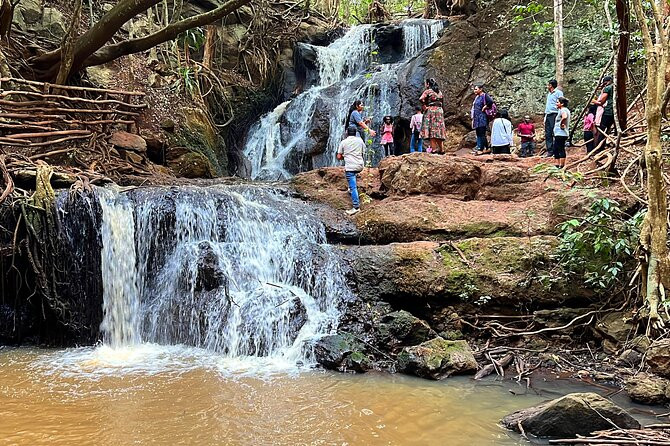
While the changes were meant to modernize operations and enhance transparency, some visitors argue that the shift has made access more difficult for ordinary citizens.
“No life in Karura today like it used to be,” said Wanyonyi, a local tourist. “The entrance fee rose from 100 to 174 shillings per person, bicycle hire is now 500 shillings for two hours, and car parking costs 274 shillings. Those with vehicles must still pay the 174 shillings per person as an entry fee. Even bottled water that was 20 shillings now costs 100 in nearby shops.”
International tourists have also voiced frustrations over pricing and facilities. John, a visitor from the United Kingdom, said his cycling experience was disappointing.
“I hired a bicycle at Karura Forest but there were no proper tracks for riding. I could not enjoy myself, and the charges were very high,” he said.
Other visitors have urged management to improve amenities within the park. Peter Williams, a tourist from the United States, suggested installing clean drinking water points for visitors.
“If carrying plastic bottles is discouraged within the park, there should be plans to install clean drinking water points for both local and international tourists,” he said.
Local visitors have also called for more educational signage to enhance learning experiences. Jane Wairimu, a frequent visitor, said some historical and ecological sites lack signposts explaining their significance.
“I was ashamed because I couldn’t explain the history of one site when asked by a foreign tourist,” she said.
Another major concern raised is the condition of the access road leading to the forest. Visitors say the road should be tarmacked to ease transport, especially during rainy seasons.
They also appealed for a zebra crossing along Kiambu Road, connecting to Muthaiga Town near the forest’s main gates, to improve pedestrian safety.