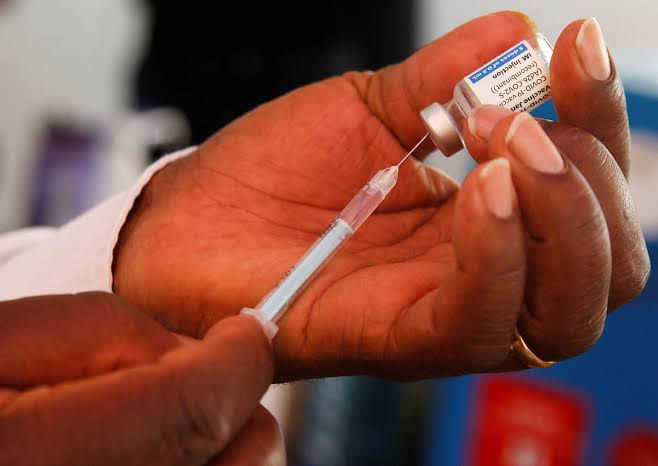
Kenya is set to begin trials for its first locally manufactured vaccines within the next two years, in a move expected to give over three million children access to affordable, life-saving jabs.
Backed by Ksh8 billion from the World Bank, the State-owned Kenya BioVax Institute says it will release three vaccines targeting pneumonia and typhoid for trials by 2027.
BioVax CEO Dr. Charles Githinji said the project is aimed at making the country self-reliant in vaccine supply and shielding it from global procurement disruptions.
“Vaccine manufacturing is not like any other form of manufacturing. It’s not easy it takes serious planning, advanced technology, and careful transfers. I’m happy to say the groundwork is in place, and we are confident that within the next 24 months, we will roll out our first BioVax vaccine,” Dr. Githinji told a stakeholder meeting in Naivasha.
Currently, Kenya relies heavily on donor-funded programs for vaccines, with more than 80 per cent of the Ksh15 billion spent annually coming from external partners. But with Kenya’s middle-income status reducing support from GAVI, Dr. Githinji said local production is now a necessity.
Its Embakasi-based factory is already constructing manufacturing components in line with global standards prior to commercial production.
The institute established after COVID-19 vaccine shortages during the pandemic wants to provide assurance of the safety and accessibility of vaccines in the future.
BioVax also seeks to be listed on the Nairobi Securities Exchange to raise more capital since it sees the African vaccines market.
Vision 2030 Board Chair Emmanuel Nzai hailed the plan as a major boost for Universal Health Coverage. “Local vaccine production will help cut costs and make healthcare more affordable for millions of Kenyans, especially the most vulnerable,” he said.
Kenya’s 2023–2027 strategic plan outlines vaccine production for outbreak response, children’s immunisation, and therapeutic needs.
The Africa CDC estimates that the continent’s vaccines market could reach between USD 2.4 billion and USD 5.6 billion by 2030 yet Africa still imports 98 per cent of its doses.