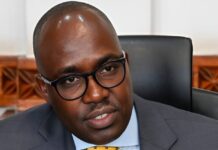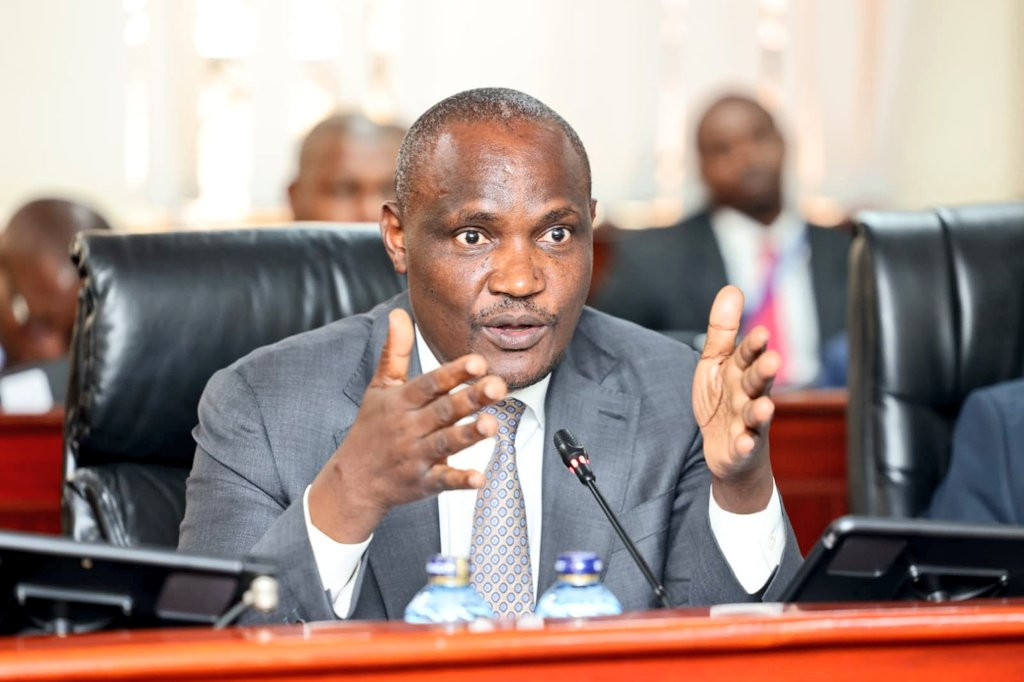
National Treasury Cabinet Secretary John Mbadi has accused Parliament of being behind the persistent shortfall in school capitation funding, saying lawmakers approve budgets that fall short of the actual requirements.
Speaking during a Thanksgiving ceremony in Suba South on Friday, Mbadi dismissed claims that the government had failed to disburse funds, insisting that the Treasury releases the full amount allocated in the budget.
“We disbursed the whole amount allocated in the budget, but still, it is not enough,” Mbadi said. “If you divide the current budget by the number of students in secondary schools, you will only get about Sh17,000 per student, not Sh22,000 as required by policy.”
According to government guidelines, each day secondary school student should receive Sh22,000 annually, junior secondary learners Sh15,000, and primary school pupils Sh1,400. However, Mbadi noted that the Treasury has never met the Sh22,000 target, even during former President Uhuru Kenyatta’s administration.
He faulted MPs for questioning why the Treasury has not fully disbursed funds despite cutting the proposed allocations during the budget-making process.
“In the latest budget, the capitation we had proposed was reduced further by Parliament. So, where do I get the money to pay the full Sh22,000?” he posed.
Mbadi further clarified that free secondary education was initiated under Uhuru’s tenure, not former President Mwai Kibaki’s, who introduced free primary schooling.
To address the funding gap, the CS proposed pooling bursary funds from the National Government Constituency Development Fund (NG-CDF), county governments, and other schemes into a single basket to ensure equal support for all learners.
“If we are truly serious, out of the Sh58 billion NG-CDF, the 40 percent earmarked for bursaries—about Sh21 billion—could top up capitation. Then no student would need to seek bursaries from their MP,” Mbadi suggested.
He acknowledged revenue constraints and called on Parliament to collaborate with the Treasury to find sustainable solutions rather than engage in blame games.
“Pretending that we are currently financing every student at Sh22,000 is misleading. We have a shortfall, and that is a fact,” he said.