Agriculture and Livestock Development Cabinet Secretary Mutahi Kagwe has informed the Senate that the Cabinet will soon deliberate on the proposed leasing of the Pyrethrum Processing Company of Kenya (PPCK), signalling a major shift toward private-sector–led revitalisation of the once-thriving industry.
The proposal—already captured in a Cabinet Memorandum—was developed with the full support of PPCK employees, who agree that private investment offers the most viable route to restoring efficiency, competitiveness, and profitability.
The CS disclosed that PPCK’s current financial position is untenable, generating only KSh 35 million annually, with the best performance ever recorded at KSh 60 million.
He added that the agency lacks the resources needed to sustain operations and has received no funding for research, a crucial pillar for reviving the pyrethrum value chain.
“There is simply not enough money to sustain the organisation itself,” Kagwe said, stressing that the current operational structure cannot deliver the sector’s revival.
Kagwe further revealed that farmers are owed KSh 10 million for deliveries made in August, September, and October—payments the Government has committed to settle promptly.
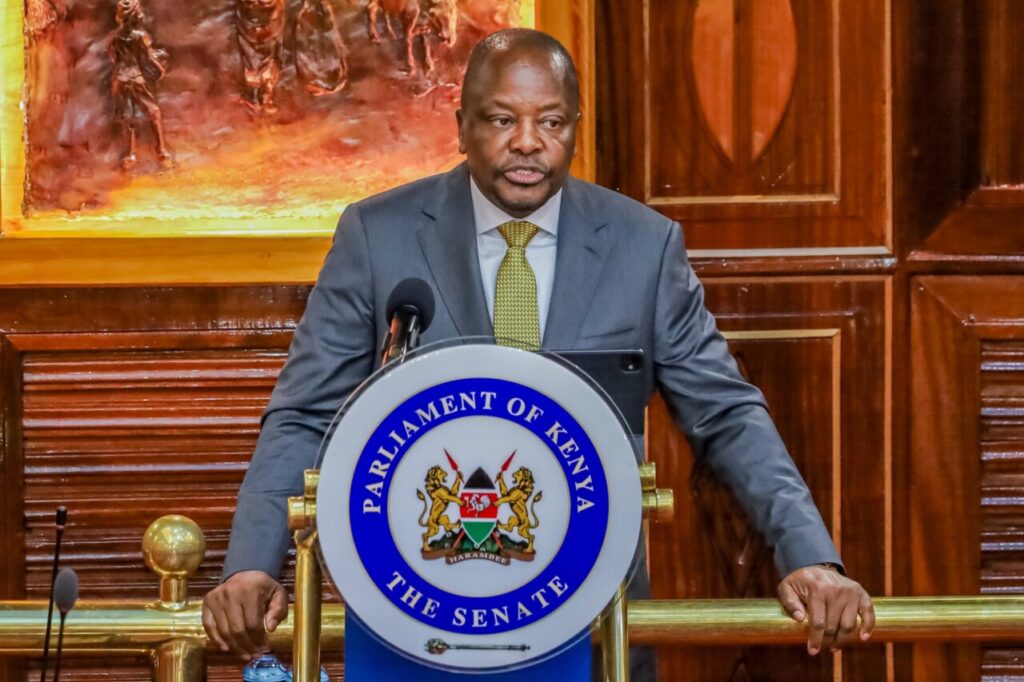
Agriculture and Livestock Development CS Mutahi Kagwe addressing the Senate.
However, he underscored that PPCK’s most significant constraint is its staggering debt burden of KSh 3.5 billion, owed to suppliers and in staff pension arrears.
He confirmed that although there had been a proposal to sell some assets to offset part of the debt, the process stalled due to delayed valuation reports, resulting in no asset sales to date.
With the leasing model now under consideration, Kagwe explained that the Government must first clean up PPCK’s balance sheet, commission a fresh valuation of its assets, and conduct thorough due diligence before a private operator can take over.
He added that Cabinet approval would pave the way for a long-term, sustainable structure aligned with successful private-sector models.
In his broader submission to the Senate, the CS outlined the Ministry’s ongoing interventions across the pyrethrum value chain, including the distribution of clean planting materials, expanded extension services, and the harmonisation of production standards with international regulatory requirements to secure export markets.
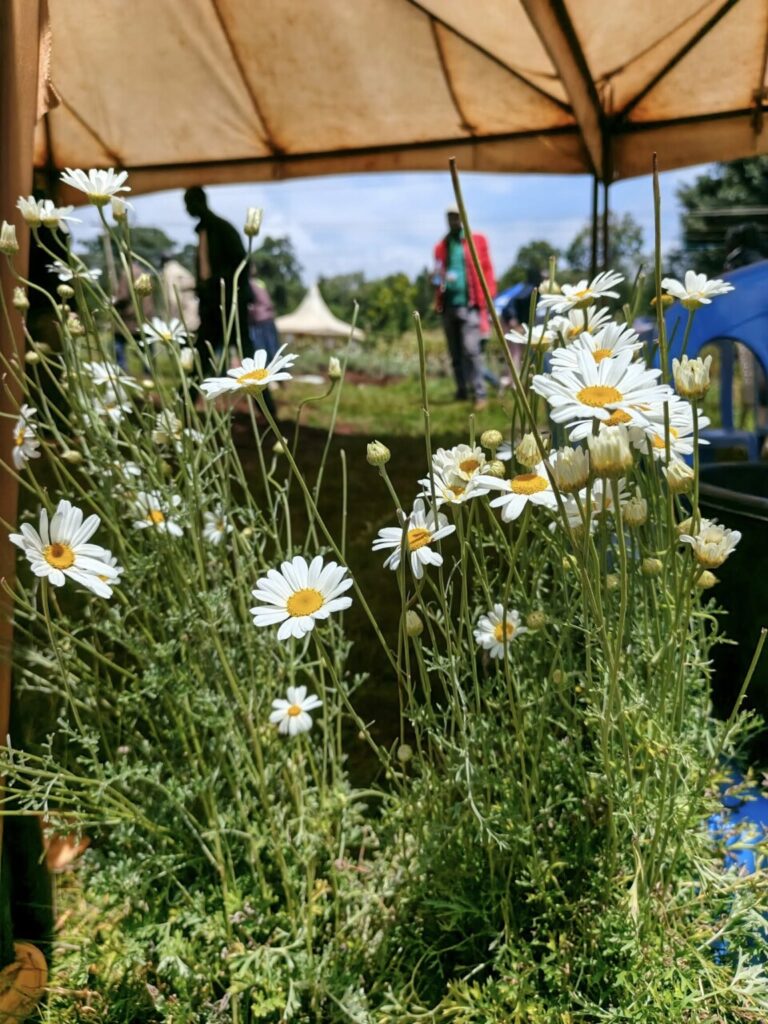
Kagwe reaffirmed the Government’s commitment to protecting farmers, stabilising payments, and positioning the pyrethrum sector for global competitiveness under a modern, private-sector–driven policy framework.