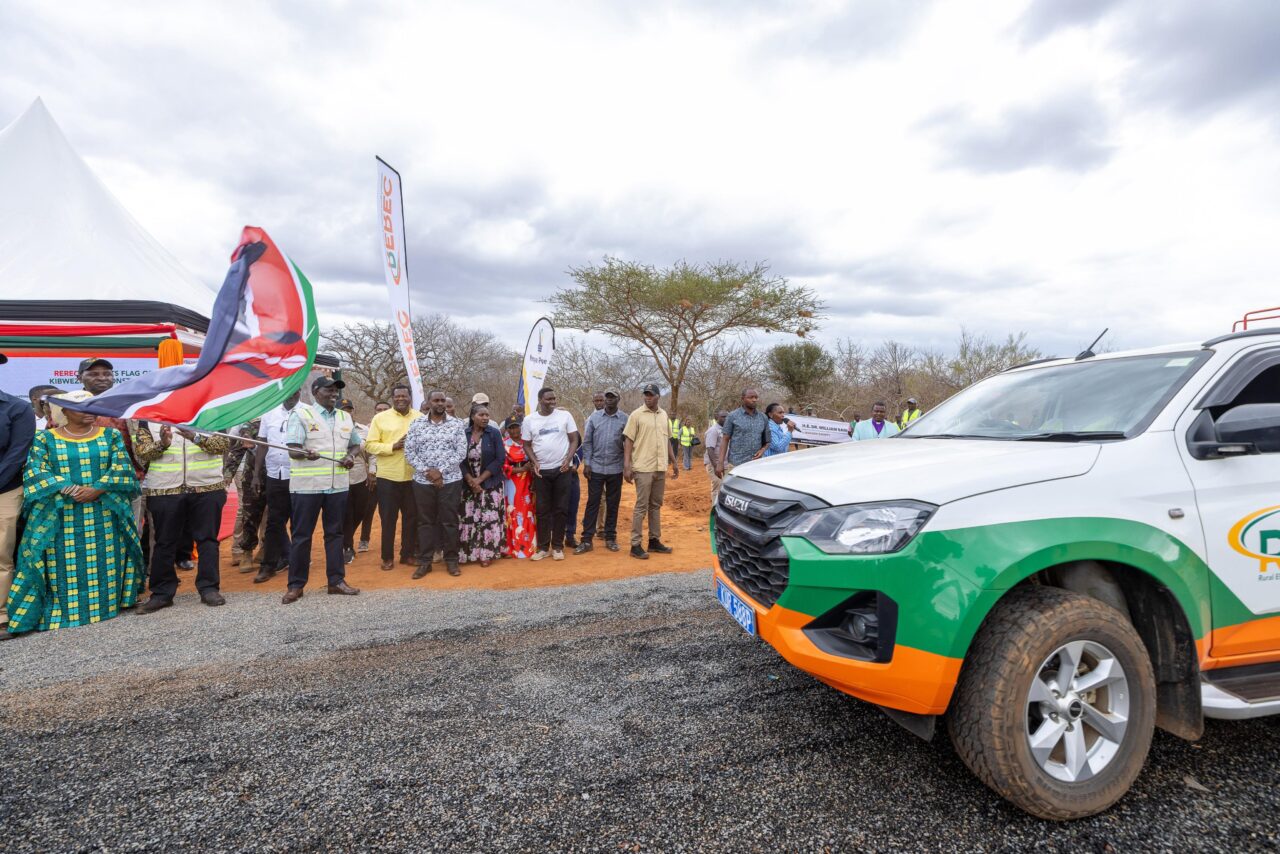
President William Ruto has flagged off a KSh75 million electricity project targeting 530 households in Katheka, Kibwezi East Constituency, Makueni County, as the government steps up efforts to expand power access in rural areas.
The project is expected to bring electricity closer to families that have yet to be connected to the national grid, opening up opportunities for households, small businesses and community institutions.
The launch took place during Ruto’s four-day development tour of Ukambani, which runs from October 24 to 27, 2026. The President’s itinerary includes electricity connectivity projects, road construction, education infrastructure, water supply and affordable housing across Makueni, Machakos and Kitui counties.
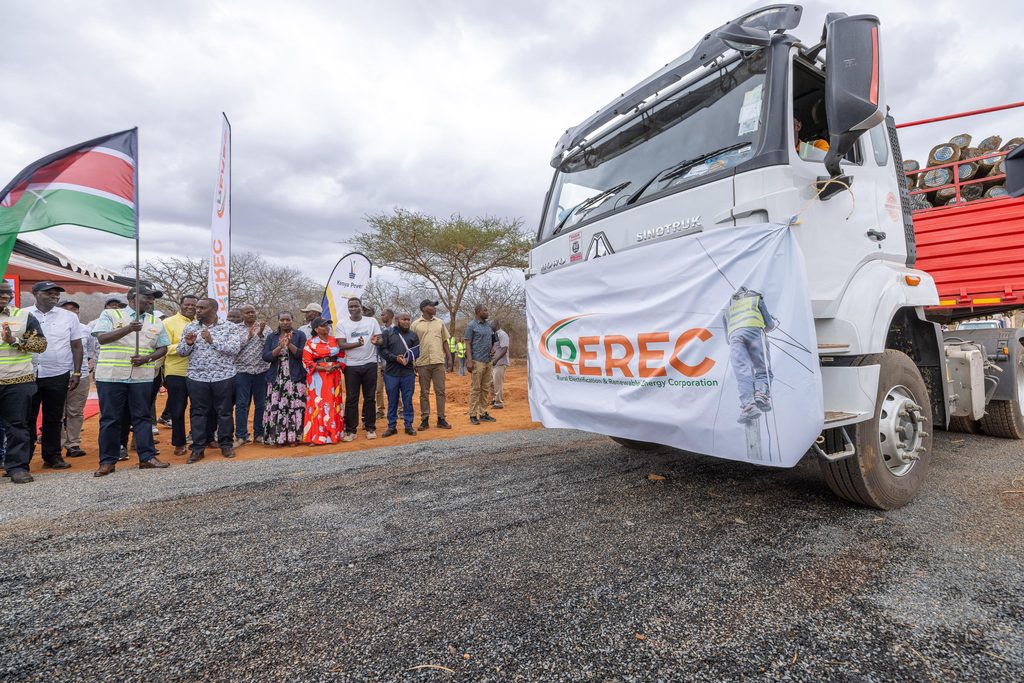
The Katheka project is part of the wider Last Mile Connectivity Programme, which seeks to extend electricity infrastructure to homes and businesses located near existing power lines.
Access to electricity can help residents reduce their dependence on kerosene lamps and other traditional lighting sources. It can also enable small traders to operate for longer hours, support the use of electrical equipment and improve the conditions under which learners study at home.
For businesses in rural trading centres, reliable power can support activities such as barber shops, salons, welding, refrigeration and other enterprises that require electricity to operate.
The project also comes as the government continues to invest in rural electrification across Makueni County.
In August 2026, The Standard reported that the government had allocated KSh2.7 billion to connect 23,682 households in Makueni during the financial year. The programme covers several constituencies, including Kibwezi East, and targets homes as well as public institutions.
The latest project adds to those efforts, with 530 households in Katheka set to benefit from the KSh75 million investment.
Ruto’s wider Ukambani tour also includes the commissioning of Kathekani Senior Secondary School and the launch of road projects in Kibwezi East. The government says the infrastructure investments are intended to improve access to public services and support economic activity in the region.
However, the project details available do not specify when all 530 households are expected to be connected, how long construction will take or whether beneficiaries will be required to meet any additional connection costs.
The impact of the investment will ultimately depend on the timely completion of the works and the successful connection of the targeted households to a reliable electricity supply.