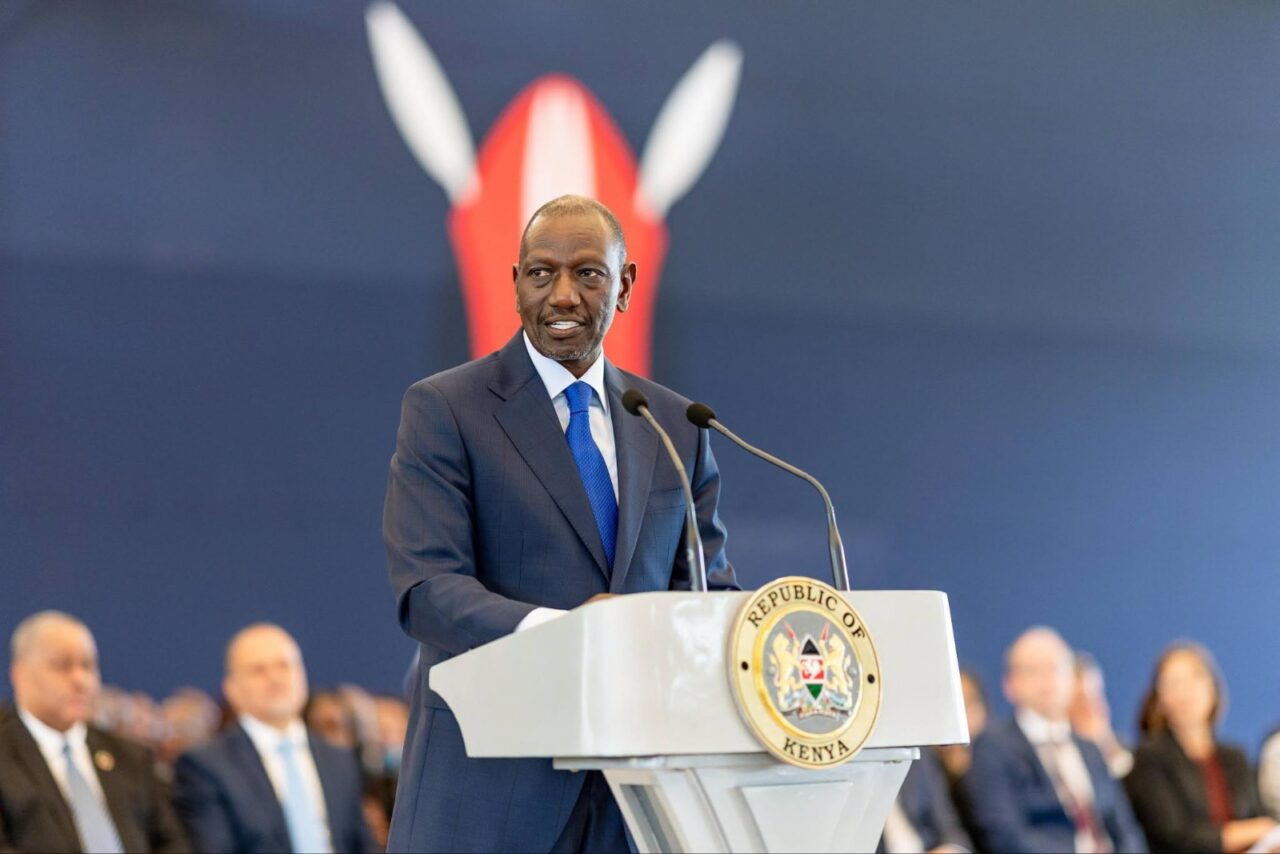
President William Ruto has ordered a nationwide crackdown on foreigners operating small businesses in Kenya.
The exercise is set to begin on Monday, September 7, with the President directing authorities to target foreigners involved in hawking and running small retail shops.
Ruto issued the directive on Wednesday while meeting Micro, Small and Medium Enterprise (MSME) traders at State House.
He said foreigners should not compete with Kenyans in small-scale businesses that can be operated by local entrepreneurs.
“We have made efforts to improve the economy. We have not improved investor confidence for hawkers to come to Kenya,” Ruto said.
The President specifically questioned why foreigners should come to Kenya to operate small shops or engage in hawking.
“It cannot be that a person comes from China or elsewhere to be a hawker or open a small shop,” he said.
Ruto also directed National Assembly Majority Leader Kimani Ichung’wah and Trade Cabinet Secretary Lee Kinyanjui to fast-track a Bill before Parliament dealing with local participation in businesses.
He said the proposed law should clearly identify businesses that foreigners will not be allowed to operate in Kenya.
“We have a Bill in Parliament on Trade. In that Bill, we have proposed that there should be businesses that foreigners should not do here in Kenya, by law,” Ruto said.
The proposed legislation is, however, still before Parliament and has not become law.
The move comes as the government pushes to give Kenyan traders greater opportunities in the small business sector.
The State Department for MSME Development has described small businesses as an important part of Kenya’s efforts to create jobs, generate wealth and support economic growth.
Ruto’s directive is now expected to put foreign-owned small shops and informal businesses under increased scrutiny ahead of Monday’s crackdown.
However, questions remain over how the exercise will be carried out, which businesses will be affected and how authorities will distinguish between businesses legally open to foreigners and those reserved for Kenyans.
The government will also have to rely on existing laws as Parliament considers the proposed legislation that could formally reserve certain businesses for Kenyan citizens.