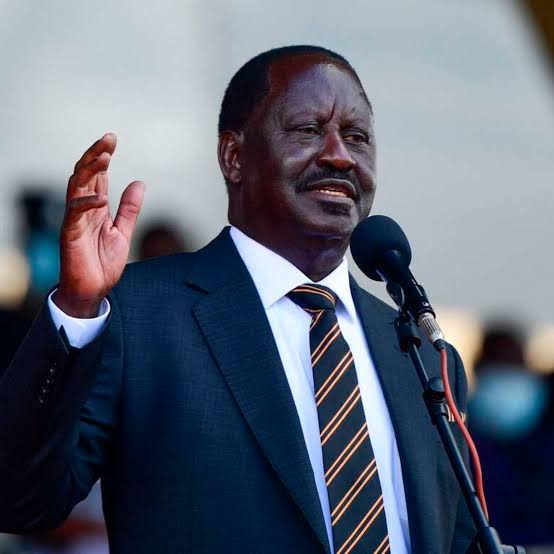
Raila Amolo Odinga, Kenya’s veteran opposition leader and Africa’s longest-serving politician, died on October 15, 2025, at the age of 80.
According to Hindu Mr. Odinga was at the Eye Hospital and Research Centre in Kerala, India, for an eye procedure. He suffered a cardiac arrest during a morning stroll in the hospital compound.
His death marked the end of a long and action-packed career that shaped Kenya’s politics for over four decades.
Early Life and Family Background
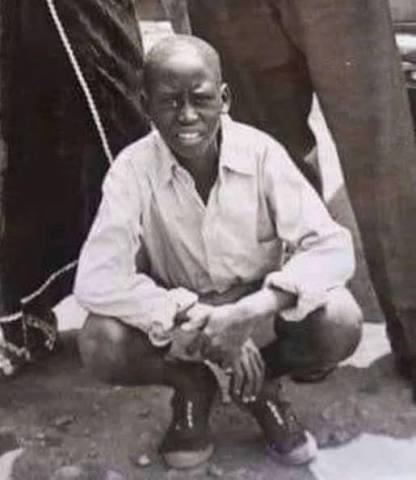
Born on January 7, 1945, in Maseno, Kisumu County, Raila was the son of Jaramogi Oginga Odinga, the first vice president of Kenya and one of the independence heroes of Kenya. Raila was introduced to politics at a young age, often witnessing the struggle and ideals that would define his future life to come.
Education and Early Career
After completing his primary schooling in Nyanza, he went to East Germany in 1962 to pursue further studies. He did his studies at the Herder Institute in Leipzig and later joined the Technical University of Magdeburg, where he graduated in mechanical engineering in 1970.
He returned to Kenya, where Mr. Odinga worked at the Kenya Bureau of Standards prior to starting his own business, setting up East African Spectre, which produces gas cylinders. His life, just like his father’s, took a turn into politics.
Years in Detention
He was detained in 1982 over suspected complicity in a plot to overthrow then-President Daniel arap Moi. He was detained without trial for six years in Nyayo House and Kamiti Maximum Prison, where he spent long periods in solitary confinement. He was twice re-arrested and spent nearly nine years in prison in total.
The years in prison were stringent and hardened his resolve, and he became a forefront voice in calling for multiparty democracy. He was freed from prison in 1991 and returned to exile in Norway but returned to Kenya the next year to participate in active politics under the Forum for the Restoration of Democracy (FORD).
Political Career
Later, Raila became a Kenyan mainstream politician — revered by his fans as a freedom fighter and reformer, but detested by critics for his confrontational brand of politics.
Member of Parliament for Lang’ata since 1992 until 2013, he led and united a succession of parties like FORD-Kenya, the National Development Party, and more recently the Orange Democratic Movement (ODM).
In 2002, his endorsement of Mwai Kibaki with the now-legendary words “Kibaki Tosha!” ended 24 years of KANU rule. Differences over a power-sharing agreement agreed to, however, evolved into a political divide that marked the next stage of his career.
The 2007 presidential election was the most contested in the history of Kenya and ignited post-election violence in which over 1,000 lives were lost. Kofi Annan mediated a peace deal that made Odinga Prime Minister of the nation under the Grand Coalition Government headed by President Kibaki from 2008 to 2013.
He ran for president five times and lost, most recently in 2022 to William Ruto. He never got to be head of state, but his influence on Kenya’s democracy was unmatched.
Continental Roles and Legacy
Aside from politics, Odinga served as the African Union High Representative for Infrastructure Development from 2018 to 2023 and an advocate for regional development and integration.
He was a husband to Ida Betty Odinga and together they were blessed with four children the late Fidel, Rosemary, Raila Jr., and Winnie.
Raila Odinga’s life was a life of courage, resilience, and conviction. From his detention days to his public service decades, he was a staunch believer in justice, democracy, and a better Kenya.
Even on his last days, far away from home, he was still seeking healing and rest a quiet contrast to the fiery path that was his life.
Raila Odinga: The Man Who Defined Kenya’s Opposition Politics
Raila Amolo Odinga, Kenya’s veteran opposition leader and Africa’s longest-serving politician, died on October 15, 2025, at the age of 80.
According to Hindu Mr. Odinga was at the Eye Hospital and Research Centre in Kerala, India, for an eye procedure. He suffered a cardiac arrest during a morning stroll in the hospital compound.
His death marked the end of a long and action-packed career that shaped Kenya’s politics for over four decades.
Early Life and Family Background
Born on January 7, 1945, in Maseno, Kisumu County, Raila was the son of Jaramogi Oginga Odinga, the first vice president of Kenya and one of the independence heroes of Kenya. Raila was introduced to politics at a young age, often witnessing the struggle and ideals that would define his future life to come.
Education and Early Career
After completing his primary schooling in Nyanza, he went to East Germany in 1962 to pursue further studies. He did his studies at the Herder Institute in Leipzig and later joined the Technical University of Magdeburg, where he graduated in mechanical engineering in 1970.
He returned to Kenya, where Mr. Odinga worked at the Kenya Bureau of Standards prior to starting his own business, setting up East African Spectre, which produces gas cylinders. His life, just like his father’s, took a turn into politics.
Years in Detention
He was detained in 1982 over suspected complicity in a plot to overthrow then-President Daniel arap Moi. He was detained without trial for six years in Nyayo House and Kamiti Maximum Prison, where he spent long periods in solitary confinement. He was twice re-arrested and spent nearly nine years in prison in total.
The years in prison were stringent and hardened his resolve, and he became a forefront voice in calling for multiparty democracy. He was freed from prison in 1991 and returned to exile in Norway but returned to Kenya the next year to participate in active politics under the Forum for the Restoration of Democracy (FORD).
Political Career
Later, Raila became a Kenyan mainstream politician — revered by his fans as a freedom fighter and reformer, but detested by critics for his confrontational brand of politics.
Member of Parliament for Lang’ata since 1992 until 2013, he led and united a succession of parties like FORD-Kenya, the National Development Party, and more recently the Orange Democratic Movement (ODM).
In 2002, his endorsement of Mwai Kibaki with the now-legendary words “Kibaki Tosha!” ended 24 years of KANU rule. Differences over a power-sharing agreement agreed to, however, evolved into a political divide that marked the next stage of his career.
The 2007 presidential election was the most contested in the history of Kenya and ignited post-election violence in which over 1,000 lives were lost. Kofi Annan mediated a peace deal that made Odinga Prime Minister of the nation under the Grand Coalition Government headed by President Kibaki from 2008 to 2013.
He ran for president five times and lost, most recently in 2022 to William Ruto. He never got to be head of state, but his influence on Kenya’s democracy was unmatched.
Continental Roles and Legacy
Aside from politics, Odinga served as the African Union High Representative for Infrastructure Development from 2018 to 2023 and an advocate for regional development and integration.
He was a husband to Ida Betty Odinga and together they were blessed with four children the late Fidel, Rosemary, Raila Jr., and Winnie.
Raila Odinga’s life was a life of courage, resilience, and conviction. From his detention days to his public service decades, he was a staunch believer in justice, democracy, and a better Kenya.
Even on his last days, far away from home, he was still seeking healing and rest a quiet contrast to the fiery path that was his life.