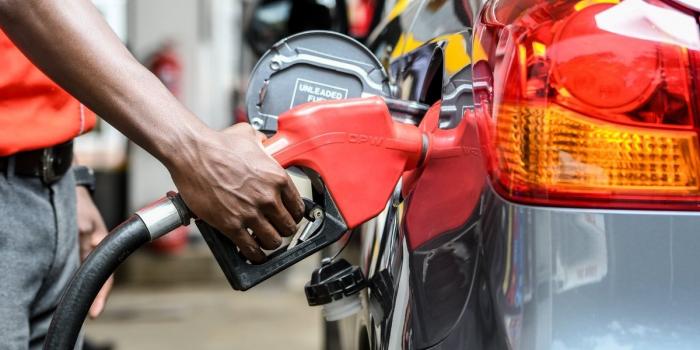
Fuel prices have jumped sharply in the latest review by the Energy and Petroleum Regulatory Authority(EPRA), piling fresh pressure on households and businesses already grappling with a high cost of living.
In the new pricing cycle running from April 15 to May 14, 2026, the cost of both petrol and diesel has increased significantly, while kerosene remains unchanged.
Super petrol has gone up by Sh28.69 per litre, while diesel has recorded an even steeper rise of Sh40.30 per litre.
In Nairobi, a litre of super petrol will now retail at Sh206.97, with diesel selling at Sh206.84. Kerosene, which remains unchanged, will retail at Sh152.78 per litre.
The latest adjustments come despite government efforts to cushion consumers through tax relief and subsidies.
EPRA announced a reduction in Value Added Tax on petroleum products from 16 percent to 13 percent, a move aimed at softening the impact of rising global oil prices.
At the same time, the government has tapped into the Petroleum Development Levy, using about Sh6.2 billion to stabilise pump prices.
Even with these interventions, the cost of importing fuel has surged sharply in recent weeks.
The average landed cost of super petrol rose by over 41 percent between February and March, while diesel jumped by nearly 69 percent. Kerosene recorded the steepest increase, more than doubling with a rise of over 100 percent in the same period.
Across major towns, the trend remains consistent, with motorists feeling the pinch.
In Mombasa, petrol now retails at Sh203.69 and diesel at Sh203.56, while in Nakuru prices stand at Sh206.05 for petrol and Sh205.93 for diesel.
Some towns are already seeing even higher prices, with Nyeri and Lamu crossing the Sh208 mark for both petrol and diesel.
The latest increase is expected to have a ripple effect across the economy, driving up transport costs, food prices, and the overall cost of doing business.
With global oil markets remaining volatile, attention will now turn to whether further interventions can shield consumers, or if more price shocks are still on the way.