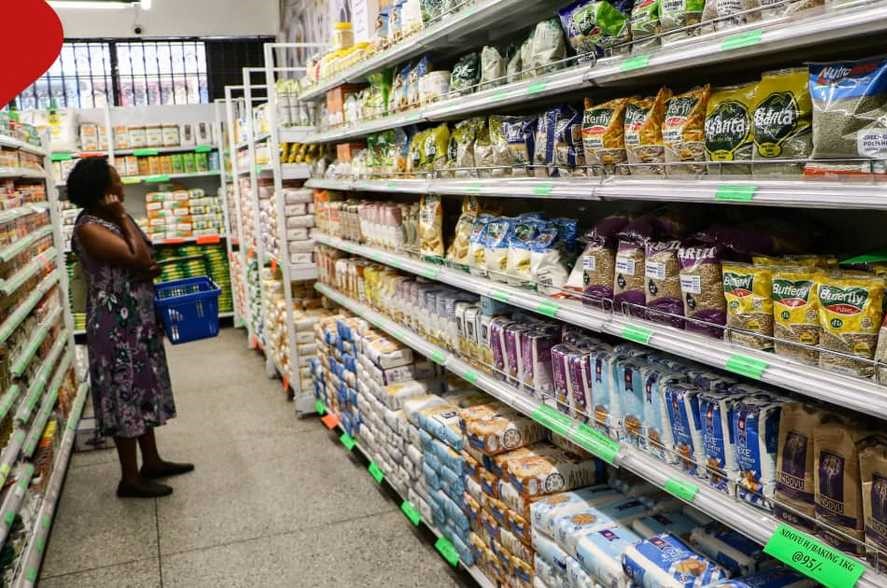
Kenya’s inflation rate increased to 7.3 per cent in October 2026, up from 6.8 per cent in September, driven by rising food prices, transport costs and higher fuel prices, according to the Central Bank of Kenya (CBK).
In its weekly bulletin dated October 30, 2026, the regulator attributed the increase to rising prices in both core and non-core inflation components, reflecting growing cost pressures on households.
Core inflation, which excludes volatile items such as food and energy, rose to 4.3 per cent from 4.0 per cent in September. The increase was mainly driven by higher prices of selected processed food products and transport costs.
Meanwhile, non-core inflation climbed to 15.1 per cent from 14.0 per cent, largely due to increased prices of selected fresh farm produce. Pump prices also rose during the October pricing cycle, reflecting higher international oil prices.
The increase in inflation comes as global crude oil prices continue to rise amid geopolitical uncertainties. Murban crude oil prices reached USD110.46 per barrel on October 29, compared to USD108.23 on October 22.
Despite the rising inflation, the Kenya shilling remained relatively stable, exchanging at KSh129.96 against the US dollar on October 29, compared to KSh129.91 a week earlier.
CBK reported that foreign exchange reserves stood at USD14.74 billion, equivalent to 5.9 months of import cover, providing a buffer against external financial pressures.
The latest figures highlight continued pressure on the cost of living, particularly through food, transport and energy prices.