Kenya is targeting an additional 150,000 hectares of bamboo as the government seeks to expand the crop’s role in forestry, manufacturing and job creation.
The target is contained in the National Bamboo Development Strategy and Action Plan 2025–2035, which sets out plans to develop the country’s bamboo sector beyond tree planting.
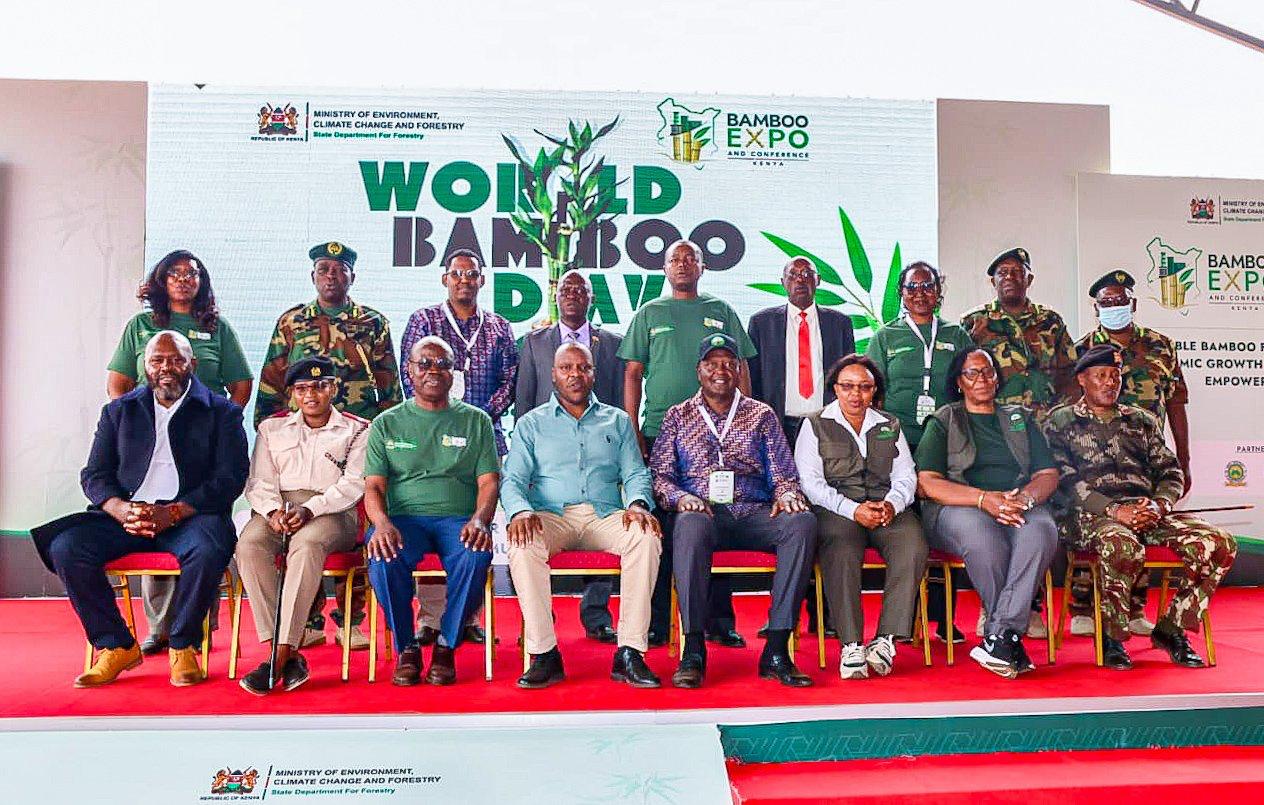
Forest Development Secretary George Tarus, who represented the Forestry Principal Secretary, spoke on Friday during the national celebrations for World Bamboo Day 2026 at Meru University of Science and Technology (MUST).
The celebrations marked the end of the inaugural National Bamboo Expo, which brought together farmers, researchers, investors, processors and entrepreneurs to showcase bamboo products, technologies and innovations.
Currently, there are about 130,000 hectares of natural bamboo forest land in the country, which mostly comprise of indigenous highland bamboo.
According to the government, apart from creating bamboo land, the emphasis would also be on developing the entire bamboo value chain, which would include the improvement of access to quality planting materials, increased production on farm land, aggregation, processing, manufacturing and market access.
The National Bamboo Policy 2022 and the National Bamboo Development Strategy and Action Plan 2025-2035 have set the policy framework for the development of the industry.
In addition, the expo helped farmers and firms make connections with researchers, investors and markets, as the nation strives to commercialize bamboo use.
World Bamboo Day celebration at MUST showed that there has been a rising attention to bamboo as part of the Kenya’s initiatives towards landscape restoration and development of green industries.
It was held under the auspices of the university leadership headed by Vice Chancellor Prof. Romanus Odhiambo.