Kenya and nine other countries have agreed on 15 measures to tackle pollution, protect marine life and improve the management of the western Indian Ocean.
The decisions were reached during a four-day meeting in Dar es Salaam, Tanzania, which marked 40 years of the Nairobi Convention, a regional agreement that brings countries together to protect the marine environment and coastal areas.
The countries involved are Comoros, France, Madagascar, Mauritius, Mozambique, Seychelles, Somalia, South Africa, Tanzania and Kenya.
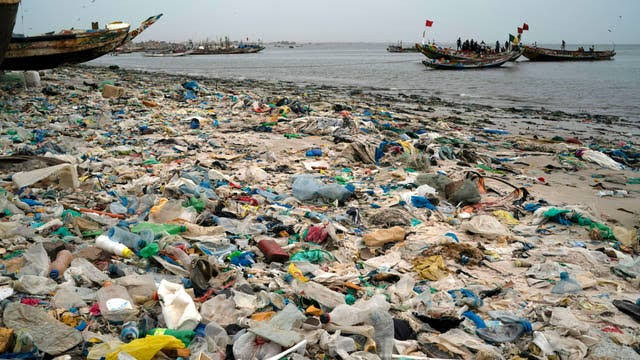
One of the key issues discussed was plastic pollution, with the countries backing a regional strategy to address the problem. They also adopted a plan to prepare for major marine pollution incidents caused by activities on land.
The Indian Ocean is an important route for ships transporting oil and other goods. However, pollution from coastal towns and cities, including sewage and industrial waste entering waterways and harbours, remains a concern.
The Nairobi Convention was established in 1985 under the United Nations Environment Programme (UNEP) to help countries work together in protecting the western Indian Ocean and its coastal resources.
During the meeting, the countries also discussed the need to protect mangroves, seagrass beds and coral reefs, which support marine life and provide livelihoods for communities along the coast.
Improving the management of ocean resources was another goal that was achieved at the meeting. Among the items that were discussed were how countries keep track of marine life, exchange environmental information and make use of scientific research to manage activities within the ocean.
Another issue that was mentioned at the meeting is the challenge of marine litter, which has impacted even remote islands in the region.
According to a survey carried out in 2013, the challenge of plastic litter is one of the major environmental problems in the western Indian Ocean. According to the survey, 4,743 pieces of plastic litter were registered in Seychelles.
The conference also addressed the issue of ocean acidification. The acidification process involves the absorption of carbon dioxide by seawater and resulting low pH levels, which threaten many marine organisms such as corals and shell-bearing species.
The issue of cooperation around the High Seas Treaty, an international agreement meant to conserve and promote the sustainable use of marine biodiversity in areas outside national jurisdiction, was also discussed.
The decision was taken at a time when countries in the region are increasingly being challenged to protect marine ecosystems while managing ocean resources.
Kenya has also been working with international partners on maritime security. Recently, Nairobi and Washington agreed to strengthen military cooperation in areas including maritime security, counterterrorism and regional stability.