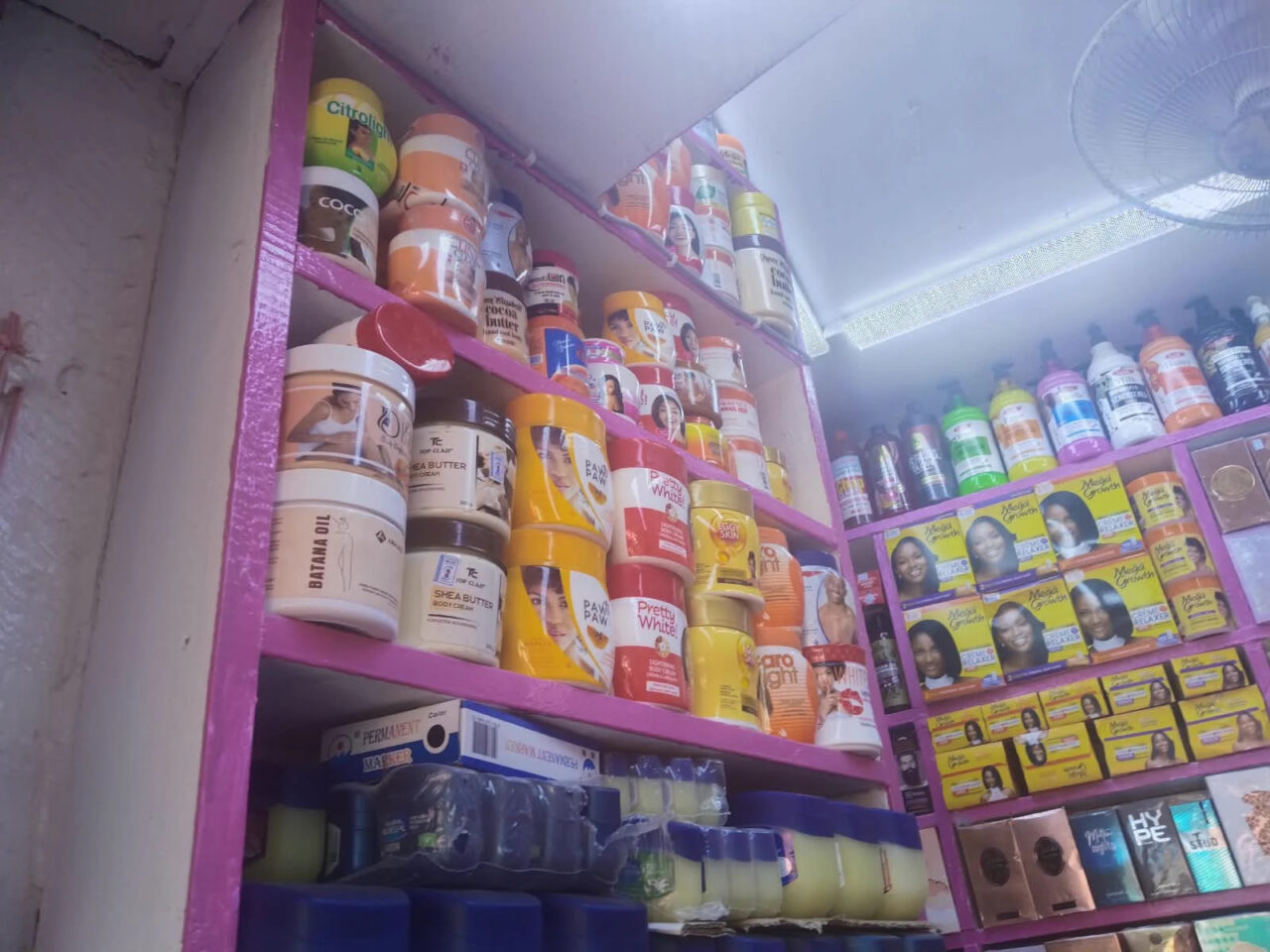
The Kenya Bureau of Standards (KEBS) has seized banned beauty products in parts of Mombasa, warning consumers about the health risks posed by some chemicals used in cosmetics.
The products were recovered during routine market inspections in Tudor Estate and the Marikiti area, according to a statement issued by the bureau on Thursday, October 22.
KEBS said some of the prohibited cosmetics contain ingredients that can cause serious health complications, urging Kenyans to be careful when buying skincare products.
Among the substances flagged by the bureau are mercury, hydroquinone and potent corticosteroids, which are found in some banned cosmetic products sold in the local market.
Mercury can damage the kidneys and nervous system, while hydroquinone may cause skin irritation, uneven pigmentation and blue-black discolouration.
The bureau also warned that potent corticosteroids can thin the skin, cause stretch marks and increase the risk of infections.
KEBS has advised consumers to check cosmetic packaging for the Standardisation Mark of Quality before making purchases.
“Before you buy your beauty products, check product labels for the KEBS mark of quality, and verify when in doubt through the 20023,” the bureau stated.
Consumers can also report suspected non-compliant products anonymously through the KEBS Whistleblower Policy.
The latest seizure comes as a wide range of locally manufactured and imported beauty products, including creams, lotions, soaps, makeup and hair treatments, continue to be sold in Kenya.
The bureau has been carrying out inspections to identify products that do not meet the required standards.
Hours before issuing the cosmetics warning, KEBS also raised concerns over prohibited items found in an imported second-hand clothing consignment.
The bureau listed used briefs, brassieres, camisoles, socks, stockings and swimwear among the restricted second-hand textile products, reminding importers to ensure their shipments do not contain the banned items.
The agency urged traders to comply with the rules governing imported goods as it continues to target non-compliant products in the Kenyan market.