The government is considering a plan to construct a new railway line that could help in the transportation of crude oil from Turkana to the coast by 2030.
The proposed project is expected to cost about 220 billion shillings and would involve expanding the existing meter gauge railway from Nakuru to South Lokichar in Turkana County. The railway line would stretch to about 640 kilometers and would offer a new route to help in the transportation of crude oil from the oil fields in the north to the coast.
According to a parliamentary report, this railway would not only help in transporting crude oil but would also help in moving other products such as cement, clinker, and minerals. This would help in making this project economically viable since it would also help in moving products from various industries.
For northwestern Kenya, this railway would also help in improving connectivity since this region has been known to lack connectivity. Davis Chirchir told a joint parliamentary committee on energy in February that this would be a viable alternative to a pipeline that had been proposed to help in moving oil from Turkana to the coast.
According to a report that reviewed the field development plan that had been proposed by Gulf Energy, this would help in moving oil in a cheaper and more efficient way. Lawmakers say that this would help in moving oil via rail tank cars and would also help in moving other products.
The government is considering using the old metre gauge railway instead of constructing a new standard gauge railway. This is because it would be easier to build since it is lighter and would cost less compared to constructing a standard gauge railway. Lawmakers estimate that if a standard gauge railway is built along the same route, it would raise costs by KSh300 billion.
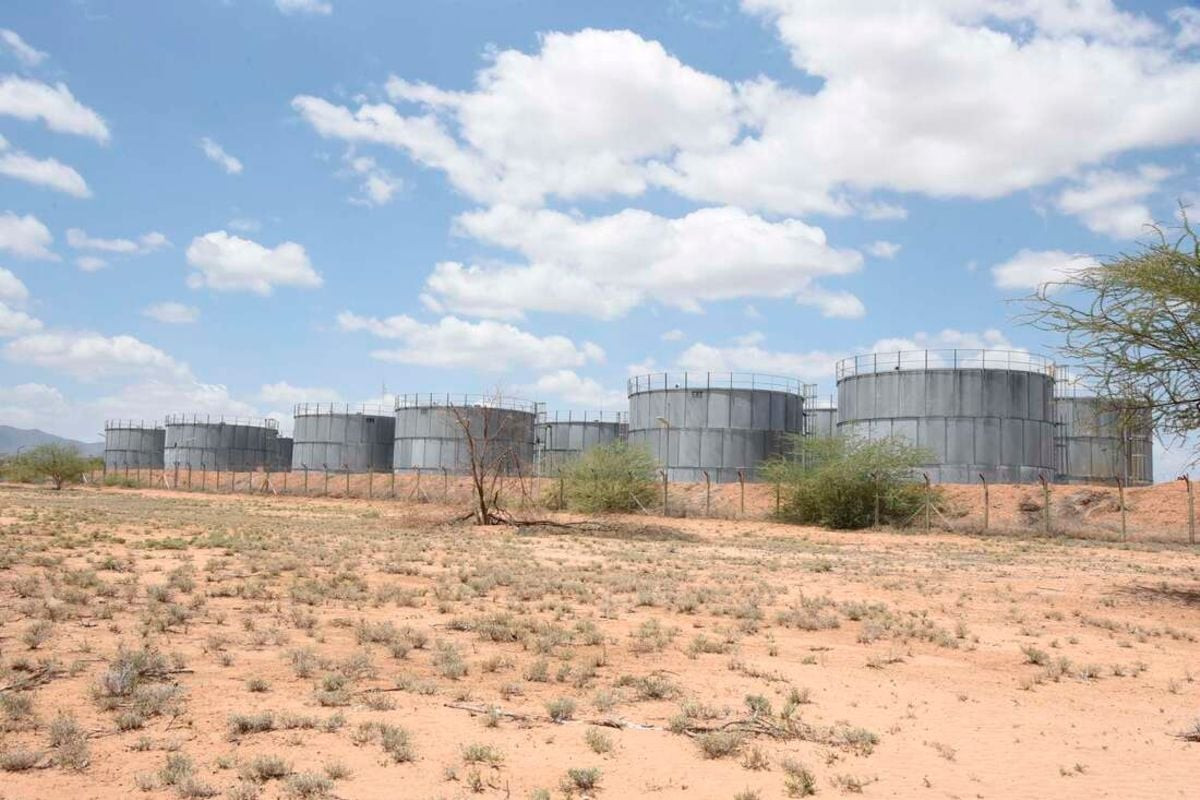
The construction of the railway would be part of a larger plan to create a reliable route for crude oil exports from the inland oil fields. Early production of crude oil is set to start gradually in the South Lokichar basin. Initially, crude oil would be transported via road.
It is estimated that the fields would produce around 20,000 barrels of waxy crude oil per day in the initial stages. This would be transported via insulated trucks from Turkana to to existing highways heading to the coast.
Production could later rise to about 50,000 barrels per day. At that stage, insulated and steam-heated rail wagons would be needed to move the thick crude safely over long distances.
The rail proposal gained momentum after Tullow Oil sold its Kenyan assets last year in a deal worth about KSh16 billion, ending earlier plans for a major oil pipeline project.
Before leaving the project, Tullow had carried out small-scale exports by transporting oil from Turkana to the coast using trucks. While the tests showed exports were possible, the system was costly and difficult to expand.
If the railway project is approved and completed by 2030, it could play a key role in determining how quickly Kenya begins exporting crude oil on a larger scale while also opening up a new transport corridor linking northern counties to the coast