By Clara Sande
The government has unveiled an ambitious plan to plant more than one billion trees as it steps up efforts to transform the forestry sector into a major source of jobs, investment and economic growth while advancing the country’s climate restoration agenda.
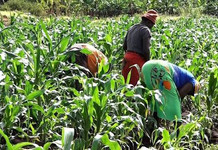
The programme includes the planting of one billion cocoa trees and another one billion avocado trees, alongside expanded palm oil production, as the government shifts towards commercial agroforestry to boost household incomes, strengthen food security and reduce reliance on imported edible oils.
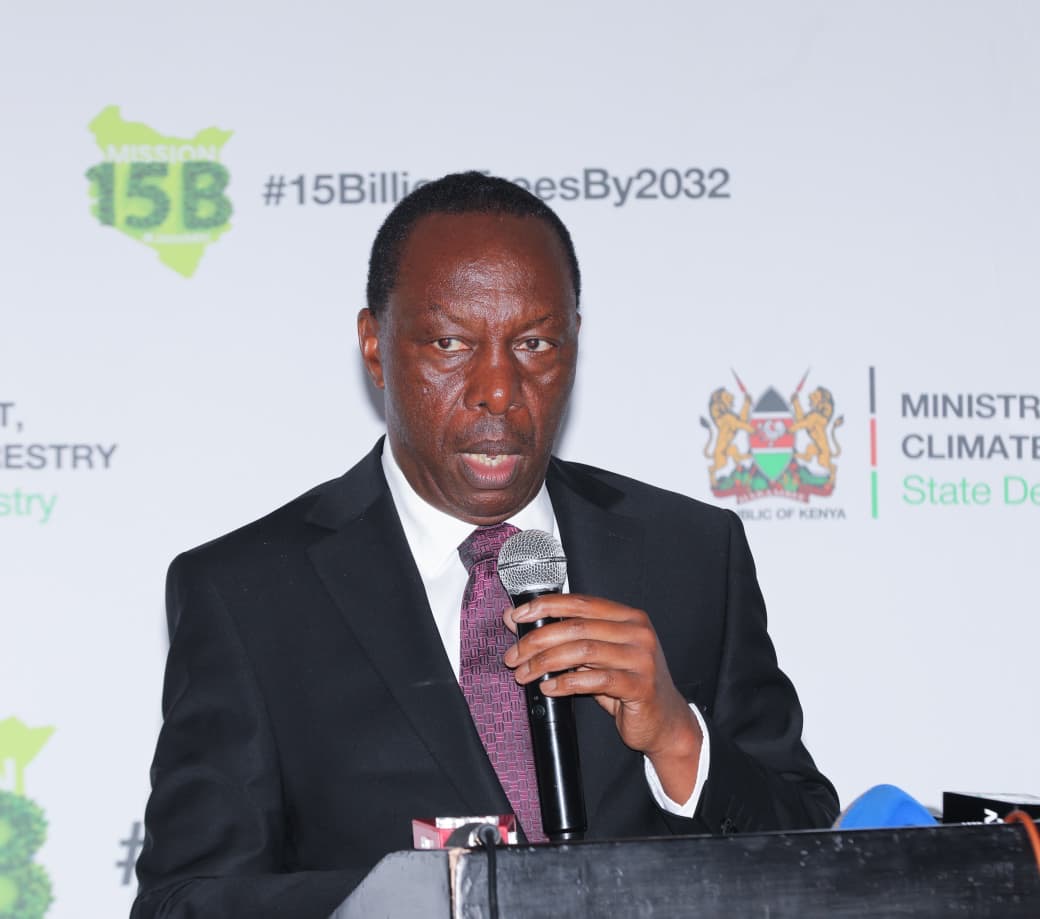
Speaking during a roundtable breakfast meeting on unlocking opportunities in Kenya’s forestry sector, Forestry Principal Secretary Gitonga Mugambi said the new approach aims to position forestry as an economic sector while attracting greater private sector investment.
“We have identified cocoa, avocado and palm oil as key value chains. Our target is to plant one billion cocoa trees, which has the potential to generate up to one trillion shillings for the economy while creating thousands of jobs,” he said.
Another one billion avocado trees to be planted aims at expanding palm oil production to increase local production of edible oils and create more income opportunities for farmers.
The latest plan builds on Kenya’s 15-billion-tree growing programme, launched in 2022 to restore degraded landscapes, increase tree cover and strengthen the country’s response to climate change.
Since then, the government has mobilised counties, schools, communities, businesses and development partners to support tree growing, with increasing focus on agroforestry as a way of combining environmental conservation with economic development.

Mugambi said the government has developed a roadmap to restore 10.6 million hectares of degraded land, particularly in arid and semi-arid areas that make up nearly 89 per cent of Kenya’s landmass.
“The success of this restoration agenda cannot be achieved by government alone. It requires partnership, collaboration, innovation and shared responsibility,” he said.
He said the government has expanded a community-led restoration model first piloted in Kaptagat after it proved successful in improving forest conservation while creating alternative livelihoods for communities living around forests.
According to the Principal Secretary, involving local communities in restoration efforts has helped reduce illegal logging by addressing the economic challenges that often drive forest destruction.
He cited the Kaptagat “cow hotel” model, where livestock are kept in shared facilities instead of grazing inside forests, saying the initiative has improved livestock productivity while reducing pressure on forest ecosystems.
Mugambi appealed to development partners and private investors to support the programme through financing, technology and quality seedlings, saying green investment will be critical to unlocking the forestry sector’s full potential.