The government has stepped up investments in irrigation infrastructure, renewable energy and water storage at the Galana Kulalu Food Security Project as part of efforts to increase agricultural production, create jobs and strengthen Kenya’s food security.
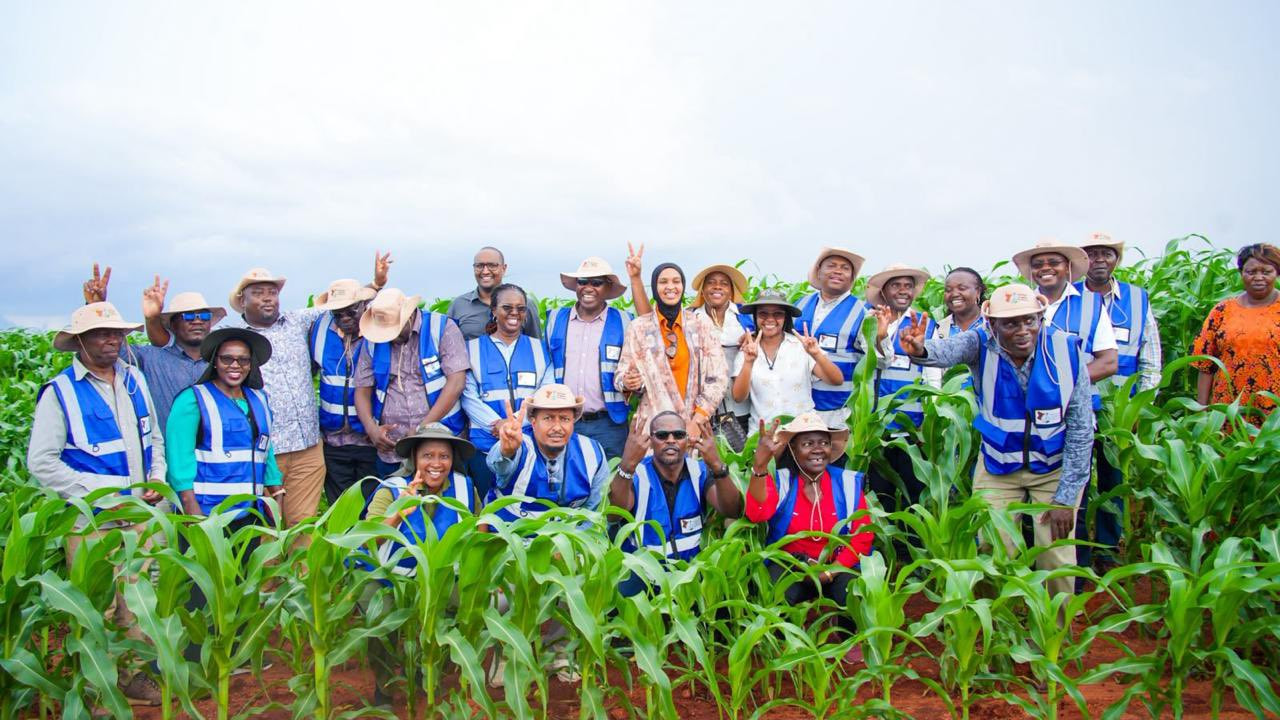
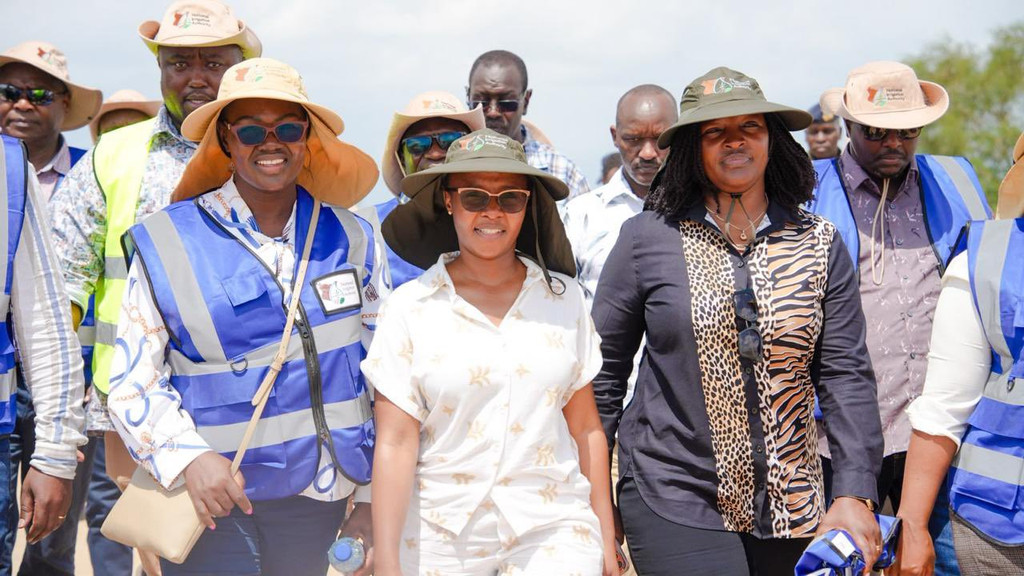
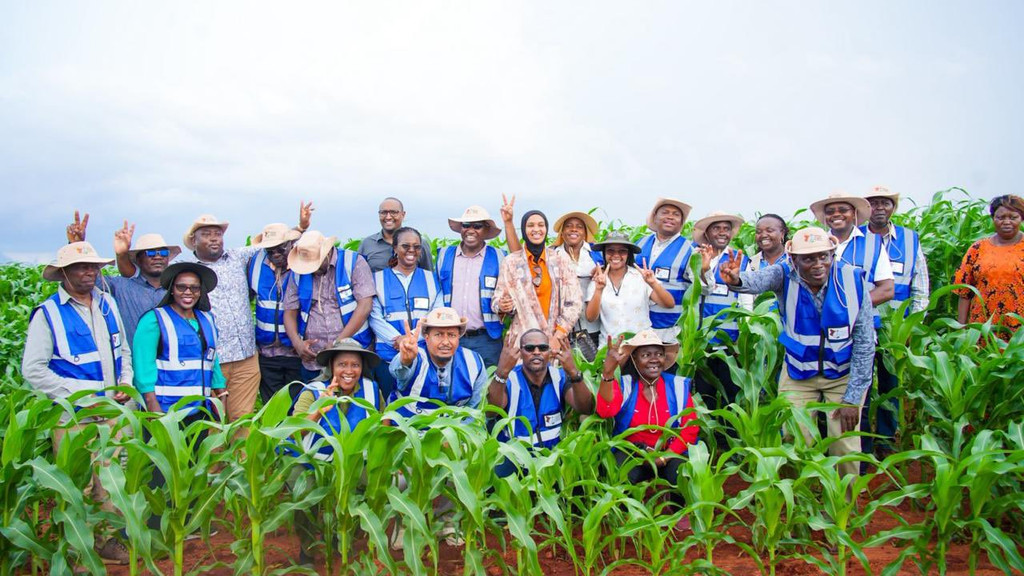
The progress was highlighted during a visit to the project by Head of Public Service Felix Koskei, Principal Secretary for the Blue Economy Betsy Njagi and other Principal Secretaries.
The delegation assessed developments at the expansive agricultural project, which is part of the government’s efforts to unlock the country’s agricultural potential through large-scale irrigation and improved farming infrastructure.
In a statement following the visit, Njagi said investments in irrigation infrastructure, renewable energy, water storage and improved connectivity were laying the foundation for increased food production and greater private sector participation.
She noted that the infrastructure being developed at Galana Kulalu could support expanded agricultural activities while creating employment opportunities for communities and businesses involved in the agricultural value chain.
Government Targets Reduced Food Imports
The Galana Kulalu Food Security Project is among the initiatives aimed at increasing domestic food production and reducing Kenya’s dependence on imported food.
The government’s focus on irrigation is intended to address the challenges associated with reliance on rain-fed agriculture, particularly amid changing weather patterns and recurring drought conditions.
Through investments in water infrastructure and renewable energy, the project seeks to provide a foundation for more reliable agricultural production while attracting private sector investment.
Njagi said the initiative represented an important step towards strengthening national food security and expanding economic opportunities for Kenyans.
The project also forms part of broader efforts to improve agricultural productivity, support job creation and increase the country’s capacity to produce food locally.
The latest visit provided an opportunity for senior government officials to assess the progress of the investments and their potential contribution to Kenya’s long-term food security objectives.