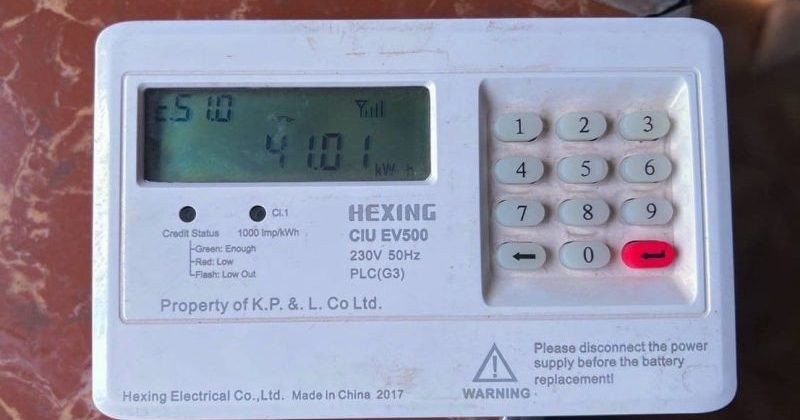
Kenyans will pay additional charges on electricity consumed in August after the Energy and Petroleum Regulatory Authority (EPRA) announced three adjustments that add up to KSh4.70 per kilowatt-hour.
The changes were contained in Gazette Notices issued on Friday, August 14, and will apply to electricity meter readings taken during the month.
The biggest charge is the Fuel Energy Cost Charge, which has been set at KSh3.51 per kWh.
EPRA also announced a Foreign Exchange Fluctuation Adjustment of KSh1.1777 per kWh and a Water Resource Management Authority (WRMA) levy of KSh0.015 per kWh.
Together, the three charges come to KSh4.7027 per kWh.
The regulator said the fuel energy charge was based on the cost of electricity generated and purchased from different power plants in July.
The calculation included power generated from diesel, geothermal and thermal plants, as well as electricity imported into the country.
“Notice is given that all Prices for Electrical Energy specified in Part II of the said Schedule will be liable to a Fuel Energy Cost Charge of Plus 351 Kenya cents per kWh for all meter readings to be taken in August 2026,” EPRA said in one of the notices.
Thermal power plants push up costs
EPRA’s schedule showed some of the highest fuel costs were recorded at isolated thermal power stations.
North Horr recorded a fuel cost of KSh396.12 per kWh, followed by Rhamu at KSh363.18 and Baragoi at KSh346.75.
The regulator also introduced the KSh1.1777 per kWh foreign exchange adjustment to cater for exchange-related costs incurred by companies involved in the electricity supply chain.
EPRA reported foreign exchange gains and losses of about KSh1.353 billion involving Kenya Electricity Generating Company (KenGen), Kenya Power and Independent Power Producers.
Consumers will also pay an additional KSh0.015 per kWh through the WRMA levy.
EPRA, however, clarified that the KSh4.70 is not the total price consumers pay for electricity.
The three charges are only components of the electricity tariff, with power bills also containing other approved charges, taxes and levies.
Kenya Power raises concerns over power costs
The new charges come days after Kenya Power warned that the growing use of variable renewable energy could bring additional costs to the electricity system.
The company said the increasing contribution of wind and solar power needed to be carefully managed because their output can change depending on weather conditions.
According to Kenya Power, sudden changes in wind and solar generation can make it harder to maintain stable frequency and voltage on the national grid.
The company has therefore called for policymakers to consider the cost of maintaining grid stability when approving new renewable energy projects.
For households and businesses, the latest EPRA adjustments mean the cost of electricity will continue to depend not only on the amount of power consumed but also on fuel prices, foreign exchange movements and other charges included in the monthly tariff.