For years, many development efforts in northern Kenya have come and gone. Projects would start, run for a while, then fade once funding or support ended. The big question has always remained: what happens after the project is over?
In areas supported by Northern Rangelands Trust (NRT), there is now a shift in how things are done. Instead of focusing only on short-term projects, the attention is turning to building systems that communities can run on their own.
At the heart of this approach is governance how decisions are made and who makes them.
Rather than bringing in new structures, NRT has been working with what already exists. These include conservancy boards, community land management committees and councils of elders. The idea is to make these local institutions stronger so that communities remain in control of their own affairs.
“The most important thing is having strong systems,” said one council of elders representative. “When systems work, people can solve their own problems and keep moving forward even without outside help.”
This shift is already being felt on the ground.
In many conservancies, decisions are now made through regular meetings where community members come together to discuss issues like land use, resources and development plans. People are given a chance to speak, agree and move forward together.
A board member from Laikipia says things are different now. “Before, not everyone knew what was going on. Today, we sit, we talk, and we agree. People feel included.”
Trust, they say, has not come overnight it is being built step by step.
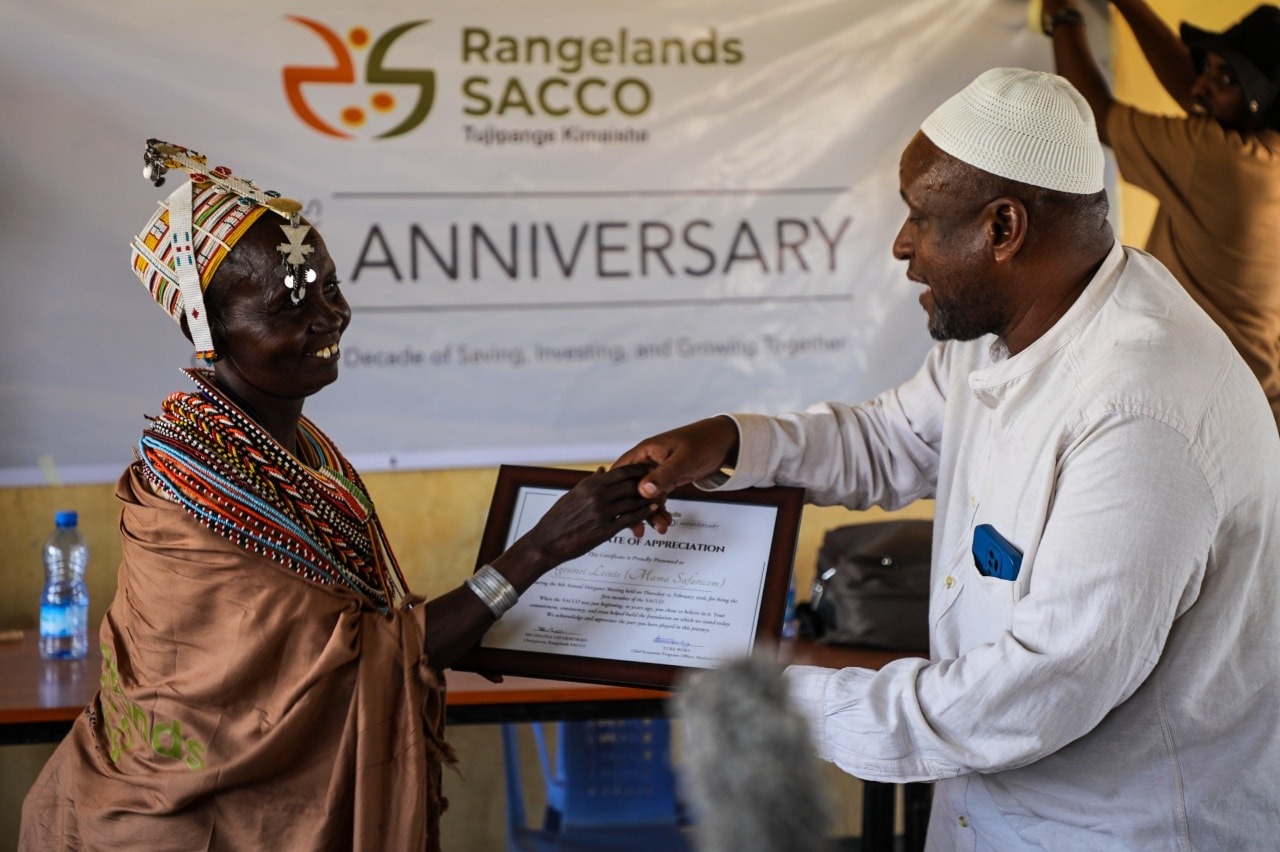
More transparency has helped. Decisions are written down, processes are clearer, and more people understand how resources are used. For NRT, the goal is not to take over leadership, but to support it.
“We are not replacing community leadership,” said a programme officer. “We are just helping to strengthen it so that it lasts.”
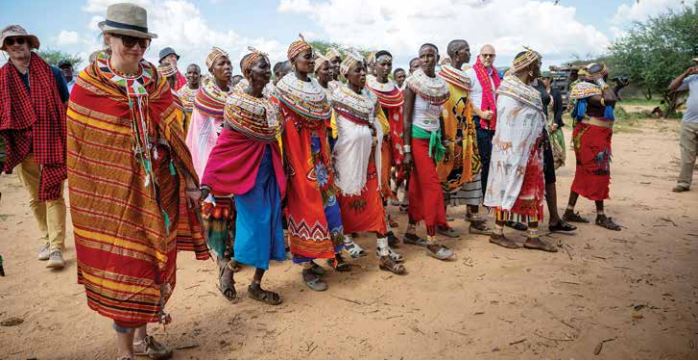
Traditional leadership still plays a big role. Councils of elders continue to guide decisions, helping to keep cultural values in place while working alongside more formal systems.
“Our traditions are part of how we govern ourselves,” said a council chair. “What has changed is that we now work together with clear systems so that everyone understands the decisions being made.”
The impact goes beyond leadership.
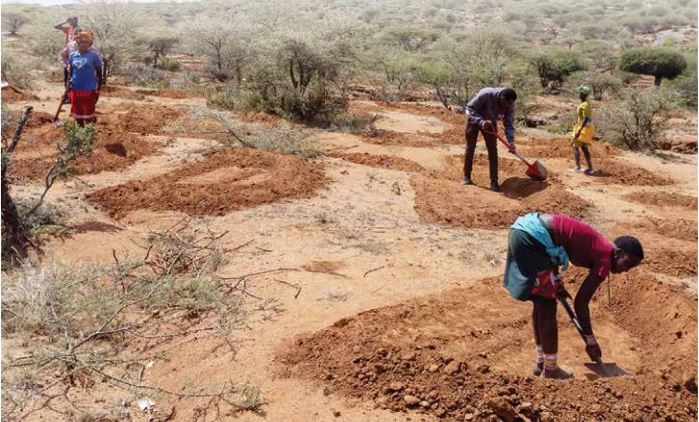
Stronger systems are helping communities manage their land better, handle conflicts more peacefully, and run development projects more effectively. They are also better prepared to work with the government and other partners.
This is becoming even more important as funding from outside becomes less predictable. Communities that rely less on donors and more on their own systems are better able to adapt and continue growing.
Across northern Kenya, this quiet shift is taking shape. It may not always be visible like roads or buildings, but it is there in how decisions are made, how people work together, and how communities take charge of their future.
And with continued support from Northern Rangelands Trust, many of these communities are no longer just part of development they are leading it.