Foreign nationals conducting businesses in Kenya have been given 90 days to regularise their immigration status and business operations before the Government begins stricter enforcement.
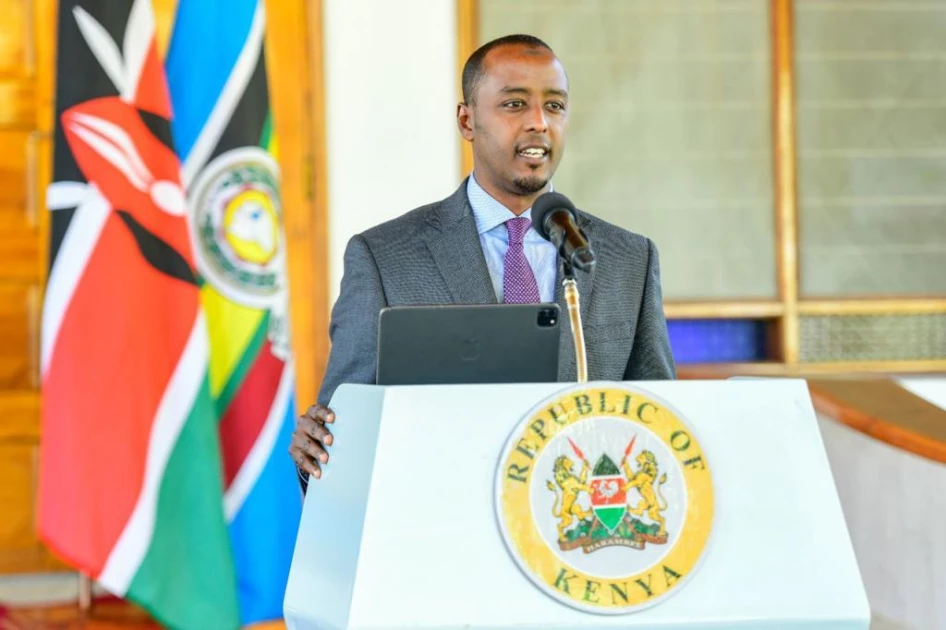
State House Spokesperson Hussein Mohamed said the exercise will cover immigration, work permits, business registration and licensing requirements.
The process will be coordinated by relevant Government agencies in consultation with the embassies of affected countries.
“Over the next 90 days, the Government will conduct an orderly regularisation exercise to facilitate compliance,” Mohamed said in a statement on Tuesday.
He said the Government would provide affected foreigners with a clear opportunity to regularise their status and operations in accordance with Kenyan law.
The Government, however, warned that the grace period will be followed by strict enforcement.
“At the conclusion of the 90-day regularisation period, immigration, work-permit, registration and licensing requirements will be enforced firmly and strictly in accordance with the law and due process,” Mohamed said.
The directive follows concerns raised by Kenyan traders over the growing participation of foreigners in small-scale businesses and informal trade.
President William Ruto has maintained that economic opportunities in the micro and small enterprise sector should benefit Kenyans, while lawful foreign investment and business will continue to be protected.
The President has also directed that the Local Content Bill, 2025, currently before Parliament, be expanded to establish a framework for small-scale trade and enterprise.
The proposed framework will identify categories of economic activity that could be reserved for Kenyan citizens.
The Government said the policy will not affect Kenya’s commitment to the East African Community or continental integration.
It said the country will continue to facilitate the lawful movement of people, labour, services and capital under regional and continental agreements.
At the same time, the Government warned against harassment or intimidation of foreign nationals.
“No individual or group has the authority to harass, intimidate, threaten or interfere with foreign nationals or their businesses,” Mohamed said.
He added that legitimate concerns over economic opportunities cannot justify discrimination, violence or lawlessness.
The latest measures come after anxiety among some foreign traders, particularly Burundians, following Ruto’s earlier directive targeting foreigners operating small-scale businesses.
The 90-day period now gives affected foreigners time to comply with the requirements before the Government begins the promised strict enforcement.