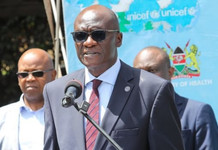
The Kenya Medical Practitioners, Pharmacists and Dentists Union (KMPDU) has given the government seven days to resolve the ongoing nurses’ strike, warning that doctors could join the industrial action if the standoff is not addressed.
KMPDU Secretary-General Dr Davji Bhimji Atellah said the more than 40-day strike had disrupted essential health services in public hospitals, leaving facilities operating under severe pressure.
Speaking on the impact of the strike, Atellah said patients who depend on nursing services were struggling to receive care, while doctors were being forced to work in an already stretched health system.
“Essential services have been disrupted. There is no better way to say that patients going to hospital who need nursing care cannot get it, and nursing care is key for any health service to be functional,” Atellah said.
He warned that the continued absence of nurses was placing additional pressure on doctors, who are already in short supply across the country.
“Today we have 40 days in our public hospitals across the country that are constrained. It is increasingly becoming unsafe when doctors, whom we know are in shortage in the country, are overburdened,” he added.
According to Atellah, some hospitals were operating at the bare minimum, with the disruption putting patients at risk of preventable complications and deaths, including among children.
He called on the government to treat the situation as an urgent health crisis rather than allowing public hospitals to continue operating under the current strain.
“The government of the day cannot continue to assume things are normal when a key component of the health system has been on strike for over 40 days,” Atellah said.
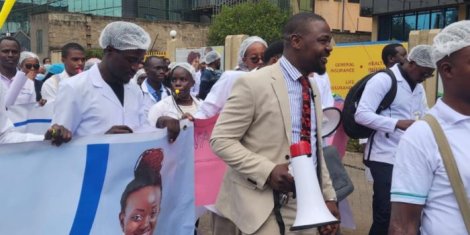
Nurses’ strike enters sixth week
The nurses’ strike began in late July 2026 after talks between the unions and the government failed to resolve outstanding demands relating to the implementation of their Collective Bargaining Agreement (CBA).
The dispute has centred on provisions in the agreement that nurses want implemented, with negotiations having stretched back several years.
The strike has disrupted nursing services in public health facilities across the country, increasing pressure on both the national and county governments to reach an agreement with the nurses.
Last week, Council of Governors Chair Ahmed Abdullahi called on the striking nurses to return to work as negotiations over the outstanding CBA issues continued.
Abdullahi said governors remained willing to engage the unions, noting that discussions had been ongoing before the strike was called.
The KMPDU ultimatum now adds pressure on the government to resolve the dispute before the doctors’ union considers industrial action of its own.
Atellah warned that allowing the nurses’ strike to continue could further strain a health system already facing shortages of medical personnel.
For patients relying on public hospitals, a doctors’ strike would add another layer of disruption to services already affected by the prolonged absence of nurses.