Kenyan filmmaker Nicholas “Nick” Wambugu, widely associated with coverage surrounding the Blood Parliament documentary that highlighted Gen Z–led protests, has died after a prolonged illness.
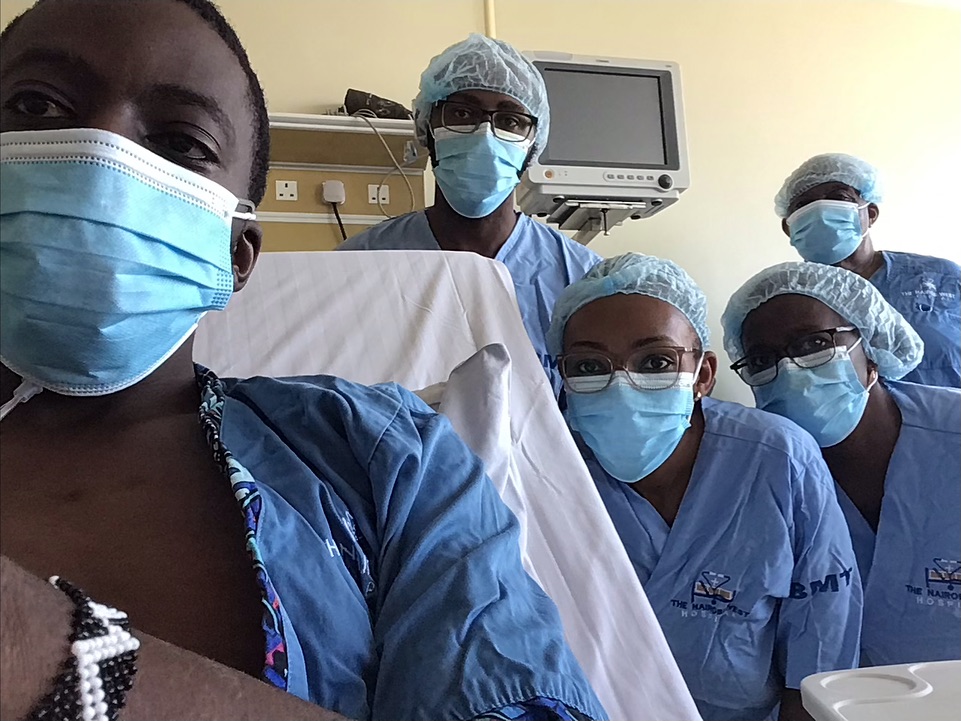
Wambugu passed away today following a long battle with a rare and aggressive blood disorder.
He had been diagnosed with Hypocellular Myelodysplastic Syndrome (MDS), a serious condition in which the bone marrow fails to produce sufficient healthy blood cells.
In recent months, his family and friends had appealed to the public for financial support, explaining that the award-winning filmmaker urgently required a bone marrow transplant in India.
The procedure and related medical expenses were estimated at KSh 9 million, with a fundraiser scheduled for Saturday at a hotel along Thika Road.
On January 3, Wambugu shared a poignant message on his Facebook page, reflecting on his journey as both a storyteller and a patient.
“For most of my life, I’ve used my camera to tell stories of courage — people who rise again after life tries to break them,” he wrote. “Today, I find myself living one of those stories.”
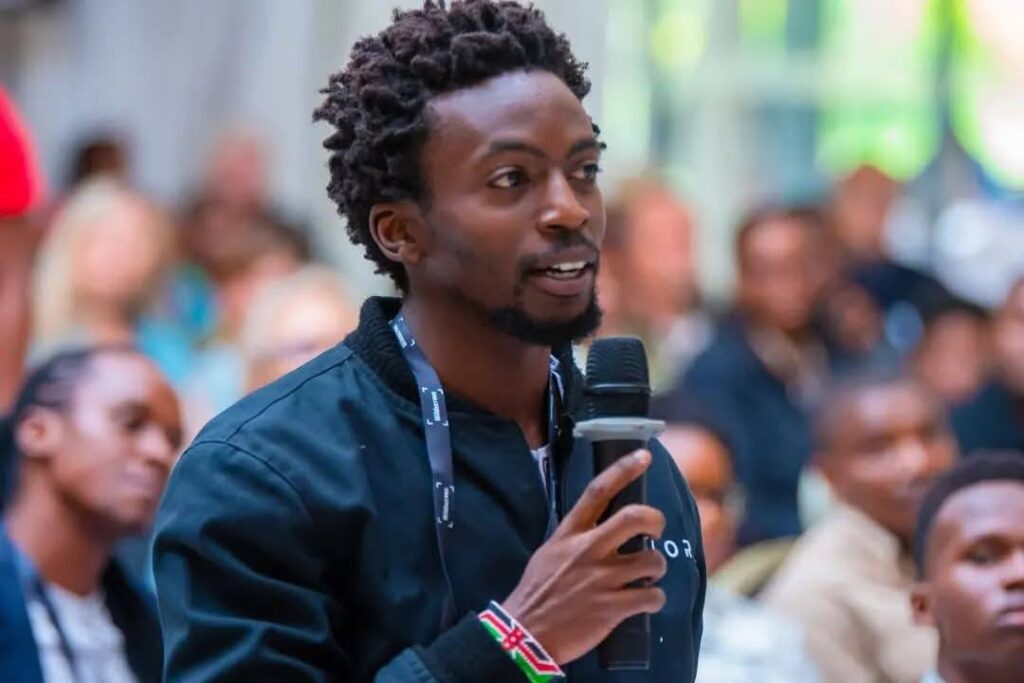
Wambugu rose to national prominence in 2025 amid a storm over press freedom linked to the BBC Africa Eye documentary Blood Parliament, which exposed alleged corruption in Kenya’s Parliament during the Gen Z protests.
In May 2025, police arrested Wambugu alongside three other filmmakers over claims that they were involved in producing the documentary.
Both Wambugu and the BBC strongly denied that he or his team had any role in the project.
Following his release, Wambugu filed court documents alleging that police had installed FlexiSPY spyware on his phone while it was in custody.
The allegations triggered widespread concern among journalists, filmmakers, and human rights groups, reigniting debate over state surveillance and media freedom in Kenya.